Tech-Driven Innovations for Eco-Friendly Liveaboard Journeys
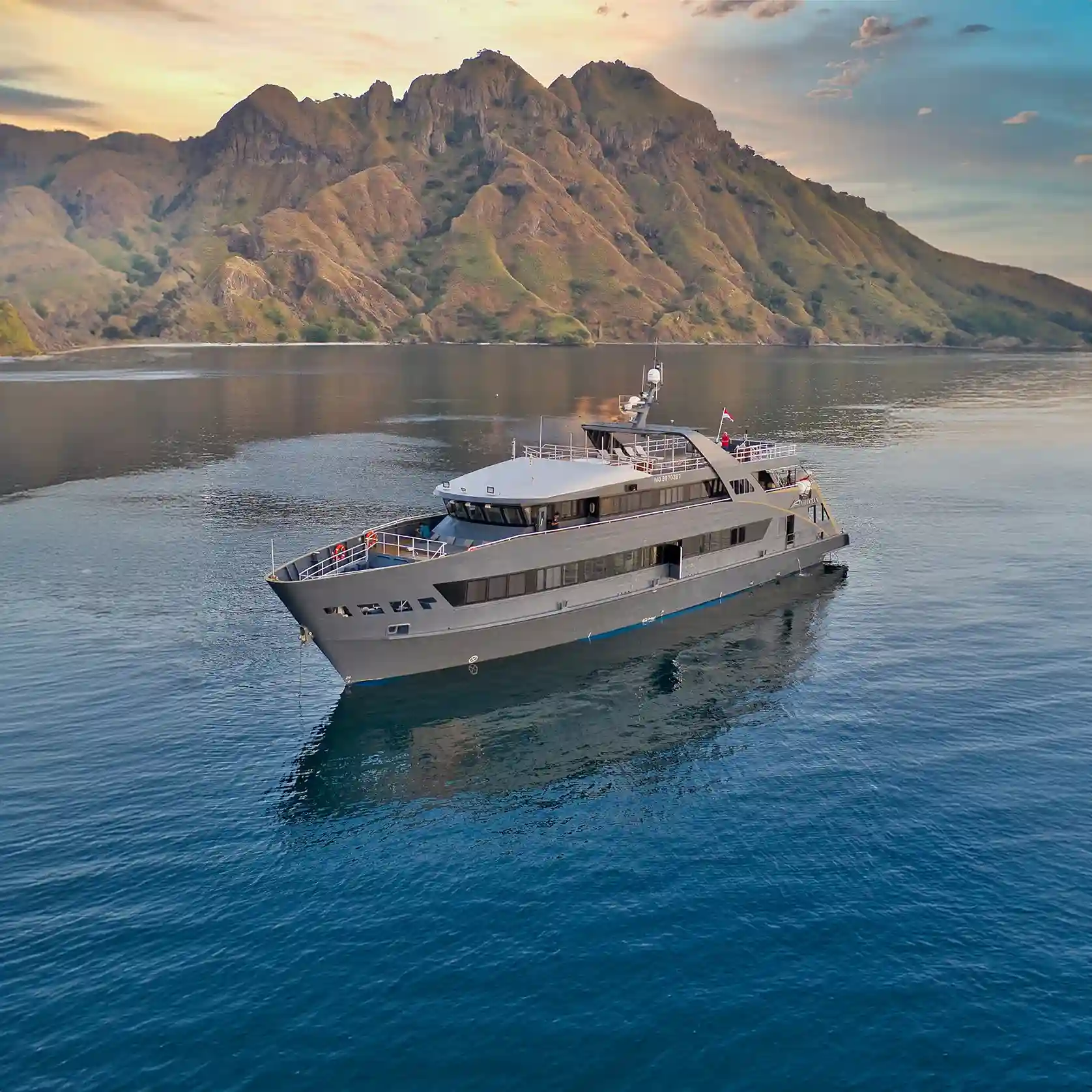
Technology is pivotal in transforming liveaboard journeys into eco-friendly experiences by integrating green diving technology and sustainable travel tech, ensuring reduced environmental impact.
Tech Eco-Friendly Liveaboards
As the world shifts towards sustainability, the liveaboard industry is embracing technology to enhance eco-friendly practices. This transformation is led by the integration of innovative solutions that reduce environmental impact while maintaining the allure of exploring marine wonders. Liveaboards, which offer unique opportunities to explore remote marine environments, are increasingly adopting technologies that ensure these adventures are sustainable. This includes a commitment to reducing carbon emissions, protecting marine life, and promoting eco-conscious travel habits among guests.
Green Diving Technology
Green diving technology is at the forefront of this sustainable shift. Advanced diving equipment, such as rebreathers and eco-friendly dive computers, minimises carbon footprints and protects marine ecosystems. Rebreathers, for instance, are designed to recycle the air a diver exhales, significantly reducing bubble emissions that can disturb marine life. Eco-friendly dive computers help divers optimise their air consumption and monitor their buoyancy with precision, thus avoiding accidental contact with delicate coral reefs. These technologies not only enhance the diving experience but also support the preservation of marine biodiversity, which is crucial in areas like the Coral Triangle, home to over 600 species of coral and a variety of marine life.
Sustainable Travel Tech
Sustainable travel tech encompasses a range of innovations designed to make liveaboard journeys more eco-conscious. From solar-powered systems to advanced waste management solutions, these technologies ensure that our journeys leave minimal environmental footprints. For instance, solar panels are increasingly being installed on liveaboard vessels. These panels can generate significant amounts of electricity, enough to power essential systems such as lighting, navigation, and communication tools, thereby reducing the reliance on diesel generators. In tropical regions, where sunlight is abundant, solar energy becomes a crucial component of sustainable operations.
- Solar Panels: Harnessing solar energy to power on-board systems reduces reliance on fossil fuels. These panels can provide up to 80% of a vessel’s energy needs during daylight hours.
- Water Purification: On-board filtration systems decrease plastic waste by providing clean, drinkable water. These systems can process up to 500 litres of seawater per day, ensuring that guests have access to fresh water without the need for single-use plastic bottles.
- Efficient Waste Management: Technologies that process waste effectively, reducing pollution in marine environments. Advanced systems can separate organic and inorganic waste, with the former being composted and the latter being compacted for proper disposal onshore.
Innovative Practices for Eco-Friendly Liveaboards
The adoption of innovative practices complements technological advancements in creating sustainable liveaboard experiences. Initiatives include carbon offset programs, responsible waste disposal, and education on marine conservation for guests. Carbon offset programs allow guests to compensate for their carbon footprint by investing in projects that reduce greenhouse gases, such as reforestation efforts. Responsible waste disposal practices ensure that all waste is sorted and disposed of correctly, with a focus on recycling and composting. Additionally, educational programmes onboard inform guests about the importance of marine conservation, offering workshops on topics such as the impact of plastic pollution and the significance of marine protected areas, which cover approximately 3.5% of the world’s oceans.
Eco-Friendly Features: A 2027 Note
By 2027, liveaboards are expected to incorporate even more sophisticated eco-friendly features, reflecting the growing commitment to sustainability within the industry. As technology evolves, the focus will remain on creating environmentally responsible travel experiences. Future advancements could include the utilisation of hydrogen fuel cells, which produce zero emissions, and the integration of artificial intelligence to optimise energy use and route planning. These innovations will help liveaboards operate more efficiently, reduce their environmental impact, and provide guests with an increasingly sustainable way to explore the world’s oceans.
Explore our services to discover how we integrate these technologies into our liveaboard journeys.
Eco-Conscious Sailing: Internal Innovations
Internally, liveaboards are adapting to sustainable practices by implementing energy-efficient systems and materials. These innovations include using eco-friendly hull coatings, optimising navigation systems to reduce fuel consumption, and employing biofuels. Eco-friendly hull coatings are designed to reduce friction between the hull and water, which can decrease fuel consumption by up to 10%. Modern navigation systems use real-time data to plot the most efficient routes, further conserving fuel. Additionally, biofuels, derived from organic materials, offer a renewable alternative to traditional marine diesel, helping to cut down on carbon emissions significantly.
| Technology | Benefit |
|---|---|
| Eco-Friendly Hull Coatings | Reduces drag and fuel consumption, contributing to lower operational costs and emissions. |
| Optimised Navigation Systems | Ensures efficient routes, saving energy and reducing travel time by up to 20%. |
| Biofuels | Decreases reliance on traditional fuels, reducing carbon emissions by up to 85% compared to conventional diesel. |
For more information on our eco-friendly initiatives, visit the Bali Komodo Liveaboard page.
FAQ
How is technology being leveraged for eco-friendly liveaboard journeys?
Technology is used in eco-friendly liveaboard journeys by integrating green diving technology, solar-powered systems, efficient waste management, and advanced navigation systems to reduce environmental impact. These technologies work together to create a sustainable travel experience that respects and preserves the marine environments being explored.
What are the benefits of solar-powered systems on liveaboards?
Solar-powered systems reduce reliance on fossil fuels, lower emissions, and provide a sustainable energy source for on-board operations. This not only decreases the environmental footprint of the vessel but also offers a reliable and cost-effective energy solution, especially in regions with high solar exposure.
How do eco-friendly hull coatings contribute to sustainability?
Eco-friendly hull coatings reduce drag, enhance fuel efficiency, and minimise the environmental impact of marine vessels. By improving the hydrodynamic performance of the vessel, these coatings help to lower fuel usage and emissions, making liveaboard journeys more sustainable and environmentally friendly.
Keep Reading

Travel Journal
Popular Liveaboard Routes 2027: Discover the Best Dive Experiences
For 2027, the most sought-after liveaboard routes focus on the Komodo National Park and the diverse marine life of the…
Travel Journal
Personalized Diving Experiences with AI in 2027
In 2027, personalized diving AI transforms underwater adventures by tailoring experiences to individual preferences and skill levels, ensuring a unique…
Travel Journal
AI Marine Life Identification on Bali Komodo Liveaboards
AI marine life identification is revolutionising the diving experience on Bali Komodo liveaboards by using advanced technology to enhance the…