
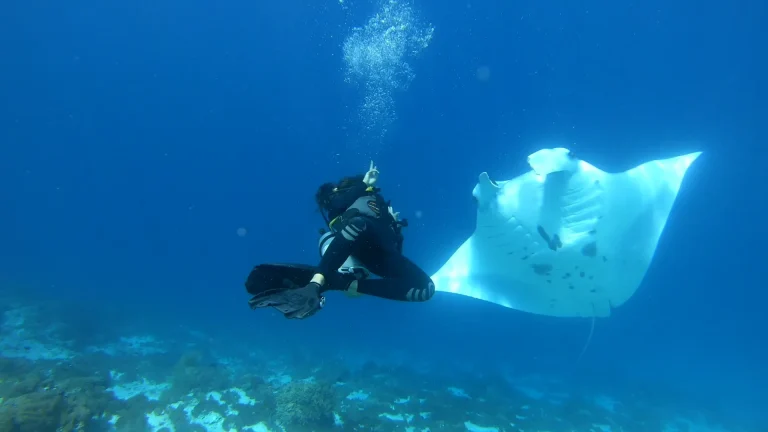
AI Marine Life Identification on Bali Komodo Liveaboards
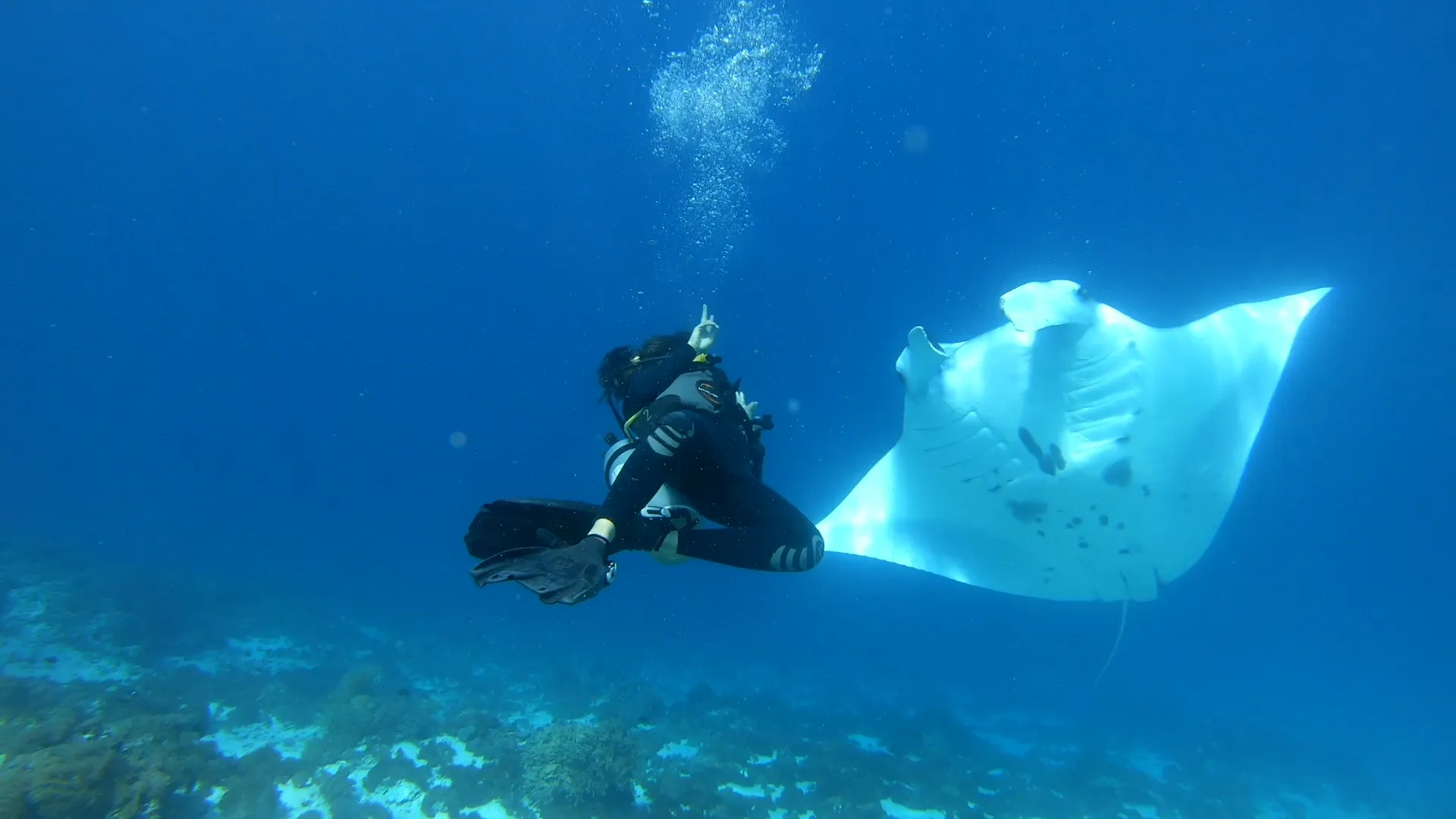
AI marine life identification is revolutionising the diving experience on Bali Komodo liveaboards by using advanced technology to enhance the recognition and understanding of marine species.
AI Marine Life Identification: Transforming Diving Adventures
In recent years, AI marine life identification has become an essential tool for enhancing the diving experience. As divers explore the rich marine biodiversity of the Bali and Komodo regions, these technologies assist in accurately identifying and cataloguing the diverse species encountered beneath the waves. The waters around Bali and Komodo host marine species, including over 1,000 species of fish and 400 types of coral, making accurate identification crucial for both educational and conservation purposes. These areas are renowned for their vibrant marine ecosystems, particularly during the dry season from April to October when diving conditions are optimal due to clearer waters and calmer seas.
How AI is Revolutionising Marine Life Identification on Liveaboards
AI is being used for marine life identification on liveaboards by integrating smart underwater cameras and AI diving tools to automatically recognise and classify various species. These innovations provide divers with real-time data and enhance their understanding of marine ecosystems. The implementation of AI technology allows for the identification of species that might be difficult to spot due to their camouflage or rarity. By using machine learning algorithms, these tools can compare images against extensive databases, identifying species with up to 95% accuracy. This technological advancement is particularly beneficial in the Komodo National Park, where the diversity of marine life can be overwhelming for even the most experienced divers.
Smart Underwater Cameras: A New Era of Exploration
Smart underwater cameras equipped with AI capabilities are a for liveaboard expeditions. These devices capture high-resolution images and videos, which are then analysed by AI algorithms to identify marine species with remarkable accuracy. This technology not only aids in educational purposes but also contributes to conservation efforts by monitoring species populations and health. For instance, smart cameras are capable of tracking specific species of interest, such as manta rays or sea turtles, providing valuable data about their migratory patterns and population dynamics. This information is critical for conservationists working to protect these species from threats like overfishing and climate change.
AI Diving Tools: Enhancing the Dive Experience
AI diving tools extend beyond just identification. They offer divers insights into marine life behaviour, habitat conditions, and environmental changes. By providing real-time feedback, divers can make informed decisions during their expeditions, ensuring a safe and enriching experience. Furthermore, AI diving tools can store data for post-dive analysis, helping divers reflect on their encounters and plan future dives. These tools can also alert divers to potential hazards, such as strong currents or the presence of dangerous marine life, enhancing safety during dives. In addition, the ability to log and review dive data helps divers improve their skills and knowledge, fostering a deeper connection with the marine environment.
Integrating AI into Liveaboard Services
Liveaboards in the Bali and Komodo regions are increasingly incorporating AI technologies into their services. These innovations are designed to enhance guest experiences by providing detailed information about marine life, improving safety measures, and supporting environmental conservation. Explore our services to understand how these technologies are integrated into our offerings. By offering real-time species identification and data storage for post-dive analysis, liveaboards can tailor dive experiences to individual preferences and interests. Enhanced safety measures, such as automated alerts for adverse conditions, ensure that divers can enjoy their adventures with peace of mind. Moreover, the data collected through AI tools supports conservation efforts by contributing to research initiatives aimed at preserving marine biodiversity.
- Real-time species identification
- Data storage for post-dive analysis
- Enhanced safety measures
- Support for conservation efforts
2027 Note
As of 2027, the integration of AI in marine life identification has set new standards for liveaboard operations. The continued development of smart underwater cameras and AI diving tools promises to further enhance the safety, educational value, and enjoyment of diving expeditions. Our commitment to innovation ensures that guests enjoy experiences in these unique marine habitats. The future of AI in diving looks promising, with potential developments including even more sophisticated identification algorithms and expanded databases that cover an even greater range of species. These advancements will likely lead to more comprehensive conservation strategies and a deeper understanding of marine ecosystems.
FAQ
What are smart underwater cameras?
Smart underwater cameras are equipped with AI technology to capture and analyse images of marine life, facilitating accurate identification and data collection. These cameras are often waterproof up to depths of 100 metres or more, making them suitable for a wide range of diving conditions. They also feature advanced image stabilisation and low-light capabilities, ensuring clear and detailed images even in challenging underwater environments.
How do AI diving tools benefit divers?
AI diving tools provide real-time insights into marine environments, enhancing safety and offering educational information about species behaviour and habitats. These tools often include features such as digital dive logs, environmental condition monitors, and interactive species guides. By using AI diving tools, divers can gain a richer understanding of the ecosystems they explore, and make more informed decisions that contribute to their safety and enjoyment.
Can AI technology contribute to marine conservation?
Yes, AI technology aids conservation efforts by monitoring species health and populations, providing data crucial for environmental protection strategies. The data collected can help identify trends in species populations, assess the impacts of human activities, and inform policy decisions aimed at protecting marine biodiversity. AI technology also enables more efficient and effective research, allowing conservationists to allocate resources where they are most needed to protect vulnerable species and habitats.
Keep Reading
Travel Journal
Tech-Driven Innovations for Eco-Friendly Liveaboard Journeys
Technology is pivotal in transforming liveaboard journeys into eco-friendly experiences by integrating green diving technology and sustainable travel tech, ensuring…
Travel Journal
Popular Liveaboard Routes 2027: Discover the Best Dive Experiences
For 2027, the most sought-after liveaboard routes focus on the Komodo National Park and the diverse marine life of the…

Travel Journal
Personalized Diving Experiences with AI in 2027
In 2027, personalized diving AI transforms underwater adventures by tailoring experiences to individual preferences and skill levels, ensuring a unique…