

Enhanced Safety Protocols for Liveaboard Diving in 2027

In 2027, liveaboard safety protocols have been significantly enhanced to ensure divers’ well-being, focusing on advanced technology, comprehensive health measures, and stringent safety practices.
2027 Liveaboard Safety Protocols
The world of liveaboard diving in 2027 has evolved significantly, incorporating state-of-the-art technology and a heightened focus on diver safety and environmental responsibility. This year, the industry has introduced robust safety protocols that blend innovative practices with tried-and-tested methods, ensuring both health and environmental responsibilities are prioritised. These protocols are designed to address the challenges of modern diving while seizing new opportunities for improvement.
Diving Safety Enhancements
The diving community has consistently prioritised safety, and the year 2027 has seen several key enhancements in this area. Among the most significant advancements is the implementation of real-time monitoring systems. These systems track vital health metrics such as heart rate, oxygen saturation, and even body temperature. The data is continuously monitored by the onboard crew, who are trained to respond swiftly to any irregularities. For instance, if a diver’s oxygen level drops below 90%, an immediate alert is triggered, allowing the crew to provide assistance without delay. Such systems are particularly valuable during night dives or in remote locations where immediate medical facilities may not be available.
Liveaboard Health Measures in 2027
Health standards on liveaboards have become more sophisticated in 2027, with comprehensive pre-boarding health screenings now commonplace. These screenings include checking for common symptoms of illness and verifying vaccination records, ensuring all passengers and crew are fit to travel. Air quality on board is maintained at optimal levels through advanced filtration systems that remove particulate matter and pathogens, reducing the risk of airborne diseases. These systems are designed to replace the cabin air every 15 minutes, which is a considerable improvement over previous models. Additionally, sanitation of common areas and dive equipment is conducted multiple times daily, with special attention given to high-touch surfaces such as railings and dive gear.
Technological Advances in Diving Safety
Technology plays a crucial role in enhancing modern diving safety. In 2027, wearable devices have become indispensable for divers, offering real-time data on underwater conditions and personal health metrics. These devices, often worn as wristbands or integrated into dive suits, provide continuous updates on water temperature, depth, and visibility. Moreover, they come equipped with GPS tracking, enabling dive leaders to monitor the location of each diver, thus preventing situations where divers might become separated from the group. The integration of artificial intelligence in these devices also allows for predictive analytics, offering insights into potential risks based on current dive conditions.
- Real-time health monitoring, including heart rate and oxygen levels
- Advanced air filtration systems with rapid air exchange capabilities
- Regular sanitation protocols, especially for high-touch surfaces
- Wearable technology for divers, featuring GPS tracking and AI analytics
2027 Note: Safety and Environmental Responsibility
As the world progresses through 2027, the focus on safety extends to include environmental conservation. Liveaboards are increasingly adopting eco-friendly practices to minimise their ecological footprint. Efforts include reducing the use of single-use plastics and implementing comprehensive waste management protocols that adhere to international standards. For example, liveaboards are now equipped with compact waste processing units that can handle organic and inorganic waste separately, ensuring that waste is properly sorted and disposed of at designated facilities. These initiatives are vital for preserving the diverse marine ecosystems around Bali and Komodo, which are renowned for their rich biodiversity and vibrant coral reefs.
FAQ
What enhanced safety protocols are in place for liveaboard diving in 2027?
Enhanced safety protocols in 2027 include advanced health monitoring systems that track vital signs in real time, stringent sanitation practices that focus on high-touch areas, and state-of-the-art air filtration systems that improve air quality and reduce the transmission of airborne illnesses.
How has technology improved diving safety in 2027?
Technology has improved diving safety by introducing wearable devices that provide real-time health and environmental data. These devices enable divers to make informed decisions rapidly, enhance situational awareness, and ensure that dive leaders can monitor the safety of the entire group efficiently.
What health measures are standard on liveaboards in 2027?
Standard health measures on liveaboards in 2027 include comprehensive pre-boarding health screenings, advanced air quality systems that ensure clean air throughout the journey, and regular sanitation of common spaces and dive equipment to minimise health risks and maintain a safe environment for all onboard.
Keep Reading
Travel Journal
Tech-Driven Innovations for Eco-Friendly Liveaboard Journeys
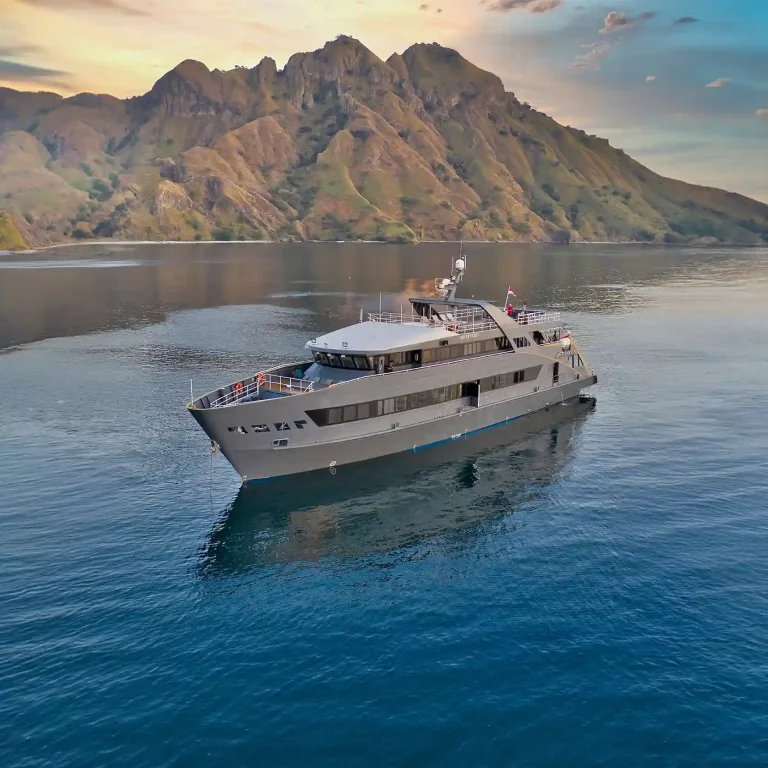
Technology is pivotal in transforming liveaboard journeys into eco-friendly experiences by integrating green diving technology and sustainable travel tech, ensuring…
Travel Journal
Popular Liveaboard Routes 2027: Discover the Best Dive Experiences
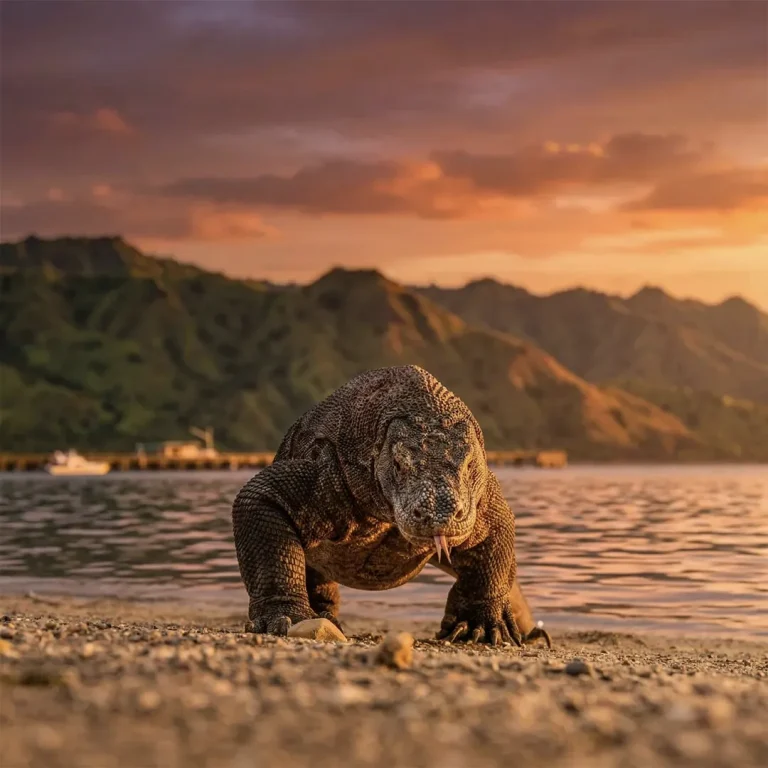
For 2027, the most sought-after liveaboard routes focus on the Komodo National Park and the diverse marine life of the…

Travel Journal
Personalized Diving Experiences with AI in 2027
In 2027, personalized diving AI transforms underwater adventures by tailoring experiences to individual preferences and skill levels, ensuring a unique…