
The Impact of AI on Liveaboard Diving Experiences in 2027
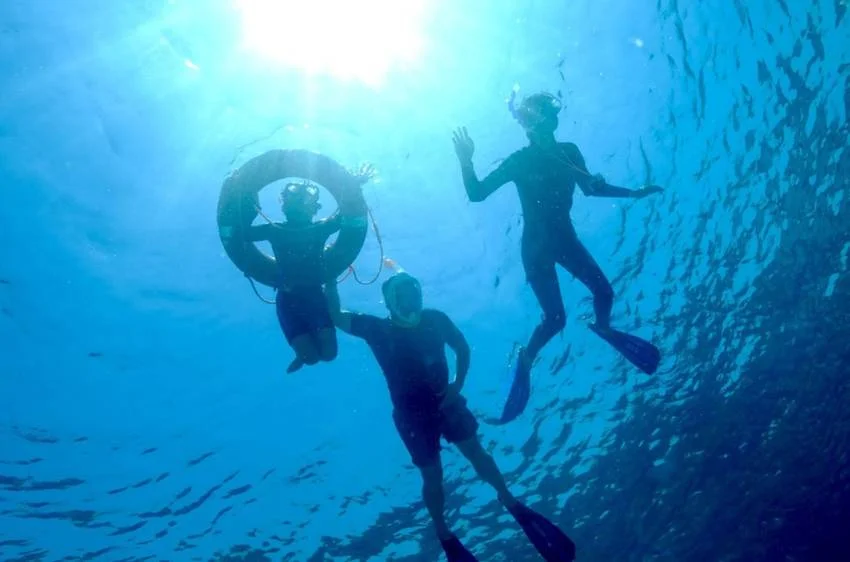
AI liveaboard diving is revolutionising the way divers explore underwater worlds by enhancing safety, navigation, and personalised experiences through advanced technology.
AI Liveaboard Diving: Transforming the Underwater Journey
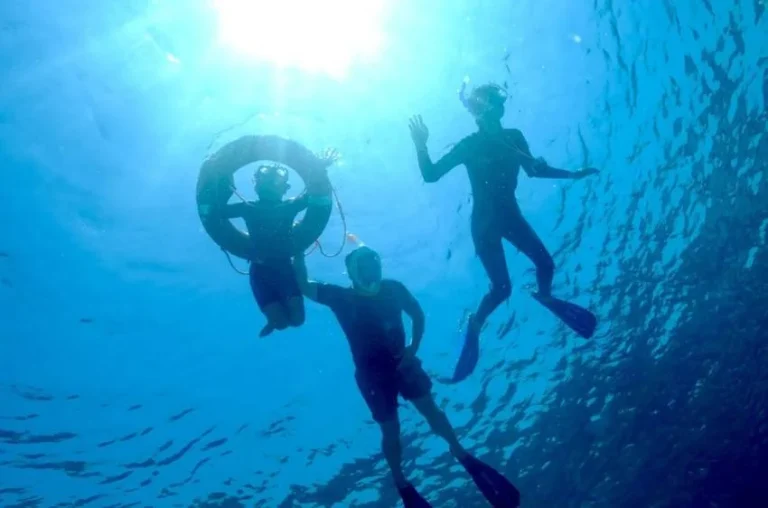
As we venture into 2027, AI liveaboard diving has significantly transformed the way we experience underwater adventures. The integration of AI diving technology into liveaboard trips has ushered in a new era of exploration and safety. This technology is not just a futuristic concept but a present-day reality that enhances every aspect of diving.
The modern liveaboard experience has been redefined by using AI tools that cater to divers’ specific needs and provide a safer, more enjoyable exploration of underwater environments. These advancements are especially beneficial in regions such as the Indonesian archipelago, where diverse marine life and complex underwater topographies require precise navigation and awareness.
AI Diving Technology: A New Era of Safety and Exploration
AI diving technology is at the forefront of revolutionising liveaboard experiences. From enhanced safety measures to real-time navigation assistance, AI systems provide divers with unprecedented support. These systems utilise advanced algorithms to monitor dive conditions, predict weather changes, and optimise dive plans, ensuring each journey is as safe and enjoyable as possible.
For instance, AI systems can process data from multiple sensors that track water temperature, current strength, and visibility. These systems then offer real-time recommendations that help divers and guides make informed decisions about dive sites and timings. Such predictive capabilities are crucial in regions with rapidly changing weather conditions, like the waters around Komodo National Park, where sudden shifts can occur.
AI technology also plays a crucial role in emergency response. By analysing diver behaviour and vital signs through wearable technology, AI can detect anomalies that might indicate distress, allowing for quicker responses to potential issues.
For more insight into the services offered, visit our comprehensive services page.
Smart Liveaboard Trips: Personalised and Efficient
Smart liveaboard trips leverage AI to offer personalised itineraries and optimise resource management. AI analyses diver preferences and historical data to tailor trips that meet individual needs and enhance the overall experience. This technology also aids in resource allocation, ensuring efficient use of supplies and energy, which not only reduces costs but also minimises environmental impact.
For example, AI can determine the optimal number of dives per day based on diver experience, preferences, and physical condition, which is assessed through data collected from previous dives. This ensures that each participant enjoys a schedule that matches their skill level and interest, enhancing satisfaction and safety.
AI also contributes to sustainability by managing energy consumption on board. By predicting the energy needs for lighting, air conditioning, and other utilities, AI helps in reducing fuel use, which is particularly important in remote areas where refuelling options are limited. This efficiency not only benefits the environment but also lowers operational costs, allowing for better allocation of resources towards enhancing guest experiences.
2027 Note: The Future of AI in Diving
In 2027, the role of AI in diving continues to expand, with innovations allowing for more immersive and interactive experiences. As the technology advances, we anticipate further improvements in underwater communication systems and AI-driven marine life identification, making each dive more informative and engaging.
Future developments may include AI systems capable of providing detailed information on marine species in real-time, directly to divers via heads-up displays in their masks. This technology can enrich the educational aspect of diving, transforming each an interactive learning experience.
Moreover, AI advancements are likely to enhance underwater communication, allowing divers to stay connected with their teams and the liveaboard vessel through improved transmission of data and messages, even at greater depths and distances.
Explore more about our innovative approaches on our main page.
AI in Marine Biology: Enhancing Understanding
The application of AI in marine biology is not only enhancing diving experiences but also contributing to the conservation and understanding of marine ecosystems. AI systems can identify species, analyse coral health, and monitor biodiversity, providing invaluable data for researchers and conservationists.
For instance, AI can process images and videos captured during dives to automatically identify fish species, assess coral bleaching, and track changes in marine populations over time. This capability is particularly useful in biodiversity hotspots like Raja Ampat, where the variety of species is immense.
By providing accurate data and analysis, AI assists conservation efforts by highlighting areas that require protection or restoration. This data-driven approach is essential for developing effective strategies to preserve marine habitats in the face of climate change and human impact.
FAQ
How is AI transforming liveaboard diving experiences?
AI is transforming liveaboard diving by enhancing safety, improving navigation, offering personalised experiences, and providing real-time environmental data.
What are the benefits of AI diving technology?
AI diving technology improves safety, optimises navigation, personalises experiences, and ensures efficient resource management.
How do smart liveaboard trips work?
Smart liveaboard trips use AI to analyse preferences and historical data, tailoring itineraries and optimising resource use for a more efficient and enjoyable experience.
Keep Reading
Travel Journal
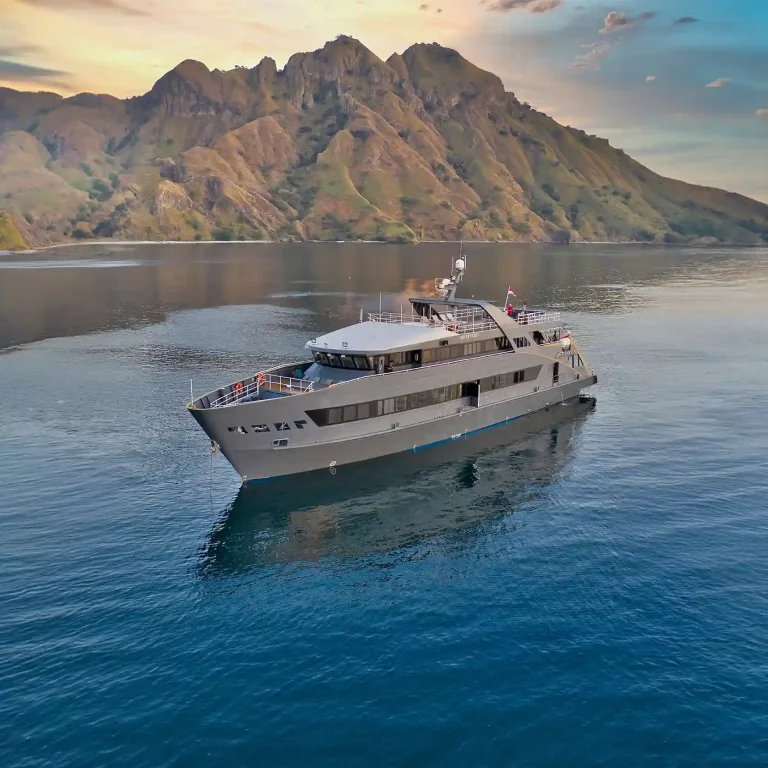
Tech-Driven Innovations for Eco-Friendly Liveaboard Journeys
Technology is pivotal in transforming liveaboard journeys into eco-friendly experiences by integrating green diving technology and sustainable travel tech, ensuring…
Travel Journal
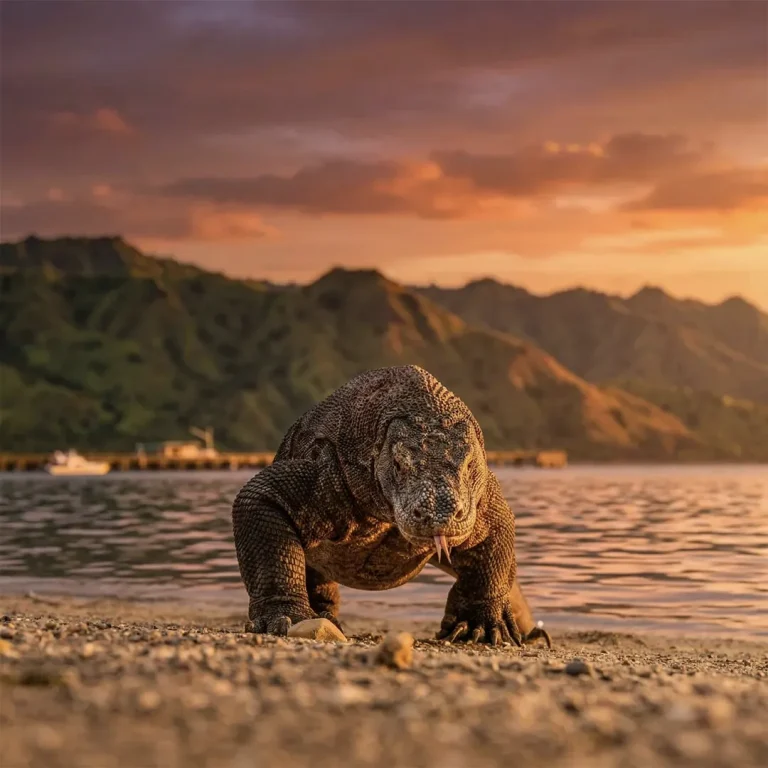
Popular Liveaboard Routes 2027: Discover the Best Dive Experiences
For 2027, the most sought-after liveaboard routes focus on the Komodo National Park and the diverse marine life of the…
Travel Journal
Personalized Diving Experiences with AI in 2027
In 2027, personalized diving AI transforms underwater adventures by tailoring experiences to individual preferences and skill levels, ensuring a unique…