Sustainable Liveaboard Tourism 2027: Practices and Innovations
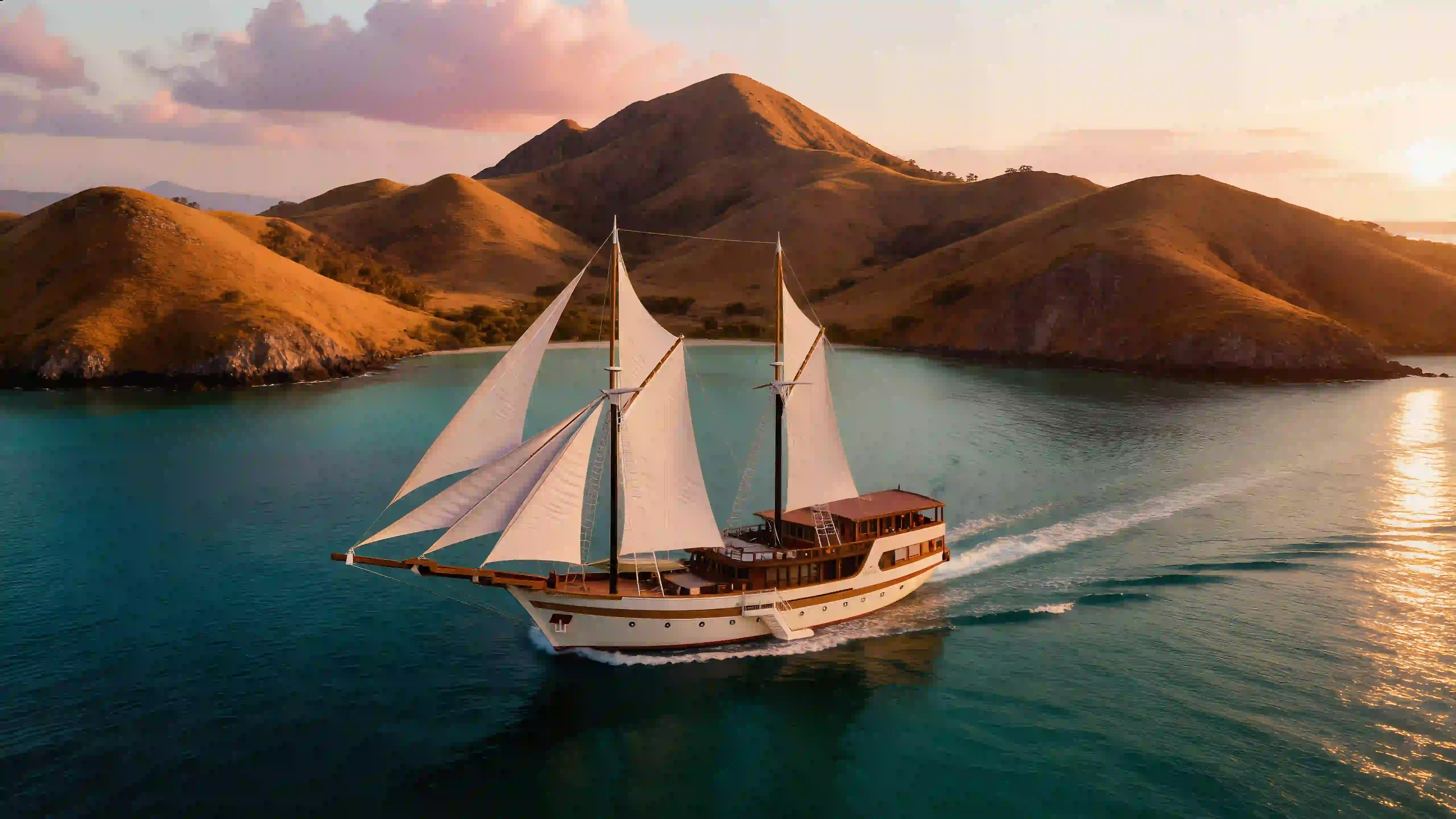
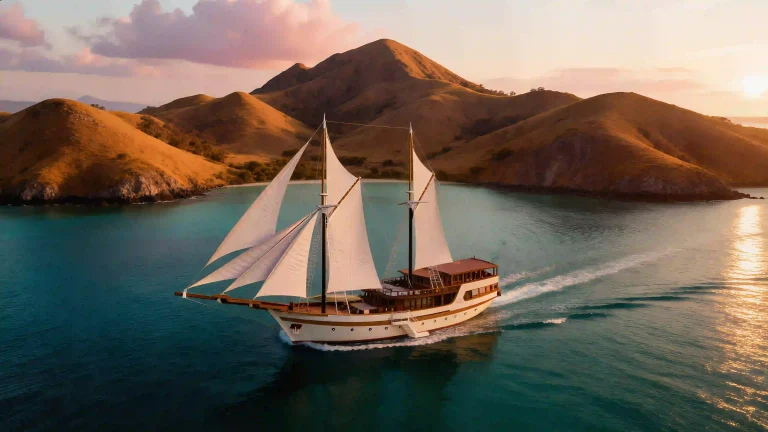
Sustainable liveaboard tourism 2027 focuses on eco-friendly diving and sustainable travel methods that protect marine ecosystems while offering unique experiences. This approach ensures that the natural beauty of regions like Bali and Komodo is preserved for future generations.
Sustainable Liveaboard Tourism 2027
The concept of sustainable liveaboard tourism in 2027 centres around integrating eco-friendly diving practices with innovative technologies to minimise environmental impact. This approach is vital for regions such as Bali and Komodo, where marine biodiversity is both a draw for tourists and a delicate ecosystem requiring protection. The increasing popularity of these destinations demands a responsible approach to tourism, ensuring that the influx of visitors does not detrimentally affect the natural habitats.
Bali and Komodo are known for their rich marine life, with over 3,000 species of fish and hundreds of coral types. The preservation of these ecosystems is crucial not only for ecological balance but also for the economic viability of local communities dependent on tourism. By 2027, the goal is to balance the needs of the environment with the expectations of tourists seeking adventure and natural beauty.
Eco-Friendly Diving Initiatives
In 2027, eco-friendly diving initiatives are at the forefront of sustainable travel. Liveaboards in Bali and Komodo are adopting measures such as using biodegradable cleaning products, implementing waste management systems, and enforcing strict no-touch policies to protect coral reefs. Education and awareness campaigns are also crucial, ensuring guests understand the importance of preserving marine life.
Dive operators are increasingly offering pre-dive briefings that include environmental education, teaching divers about the impact of their actions underwater. These briefings often cover the fragility of coral reefs and the importance of maintaining buoyancy to avoid accidental contact with marine life. Divers are encouraged to participate in citizen science projects, such as fish counts and coral health monitoring, contributing valuable data to conservation efforts.
Moreover, dive sites are selected based on their ability to withstand human activity, with some areas designated as no-dive zones to allow ecosystems to recover. This strategic site selection helps to distribute the impact of diving activities across a broader area, reducing pressure on individual sites.
Innovative Technologies in Liveaboard Tourism
Technological advancements play a significant role in sustainable liveaboard tourism 2027. Many vessels now utilise solar panels and wind turbines to reduce reliance on fossil fuels. Additionally, onboard water filtration systems reduce plastic waste by providing safe drinking water. These technologies not only reduce environmental footprints but also enhance the overall guest experience.
Liveaboards are increasingly equipped with energy-efficient lighting and engines to further decrease their carbon footprint. Advanced navigation systems optimise travel routes, minimising fuel consumption. Onboard waste management systems separate and compact waste, ensuring that recyclable materials are processed appropriately and reducing the volume of waste that needs to be disposed of on land.
These innovations reflect a broader trend towards sustainability in the tourism industry, as operators recognise the importance of protecting the very environments that attract visitors. By 2027, the integration of technology into liveaboard operations is expected to be standard practice, setting a benchmark for sustainability in marine tourism.
2027 Note: Sustainability and Community Engagement
By 2027, sustainable travel practices extend beyond environmental concerns to include community engagement. Liveaboards increasingly support local economies by sourcing food and supplies locally and employing residents, thereby contributing to sustainable development. This model ensures that tourism benefits the entire region, creating a symbiotic relationship between visitors and locals.
Local partnerships are forged with fishing communities, allowing for the provision of fresh seafood while supporting traditional livelihoods. Cultural exchanges, such as visits to local villages, offer guests insight into traditional ways of life and promote intercultural understanding. These interactions are facilitated by guides who are often local residents, providing employment opportunities and ensuring that tourism revenue stays within the community.
Liveaboard operators also invest in community infrastructure projects, such as clean water initiatives and educational programmes, further enhancing the quality of life for local residents. This holistic approach to sustainability ensures that tourism contributes positively to the social and economic fabric of the region.
Benefits of Sustainable Travel 2027
- Conservation of marine ecosystems through responsible practices.
- Reduction of carbon footprint through renewable energy use.
- Support for local communities and economies.
- Enhanced guest experience through education and awareness.
These benefits are integral to our services, ensuring that each trip is both enjoyable and responsible. Tourists are increasingly seeking travel experiences that align with their values, and sustainable liveaboard tourism offers an opportunity to explore the wonders of the ocean while contributing to its preservation.
FAQ
What sustainable practices are liveaboards adopting in 2027?
Liveaboards in 2027 are embracing renewable energy, waste reduction, and community support, reflecting a commitment to sustainable travel. These practices include the use of solar and wind energy, comprehensive recycling programmes, and partnerships with local suppliers.
How do eco-friendly diving practices contribute to sustainability?
Eco-friendly diving reduces damage to marine life and habitats, maintaining biodiversity and ensuring the health of underwater ecosystems. Practices such as buoyancy control and adherence to no-touch policies protect delicate coral structures and marine organisms.
What role does technology play in sustainable liveaboard tourism?
Technology aids in reducing environmental impact through renewable energy and waste management systems, enhancing sustainability in liveaboard operations. Innovations such as energy-efficient propulsion systems and advanced navigation technology optimise resource use and minimise environmental impact.
Keep Reading
Travel Journal
Tech-Driven Innovations for Eco-Friendly Liveaboard Journeys
Technology is pivotal in transforming liveaboard journeys into eco-friendly experiences by integrating green diving technology and sustainable travel tech, ensuring…
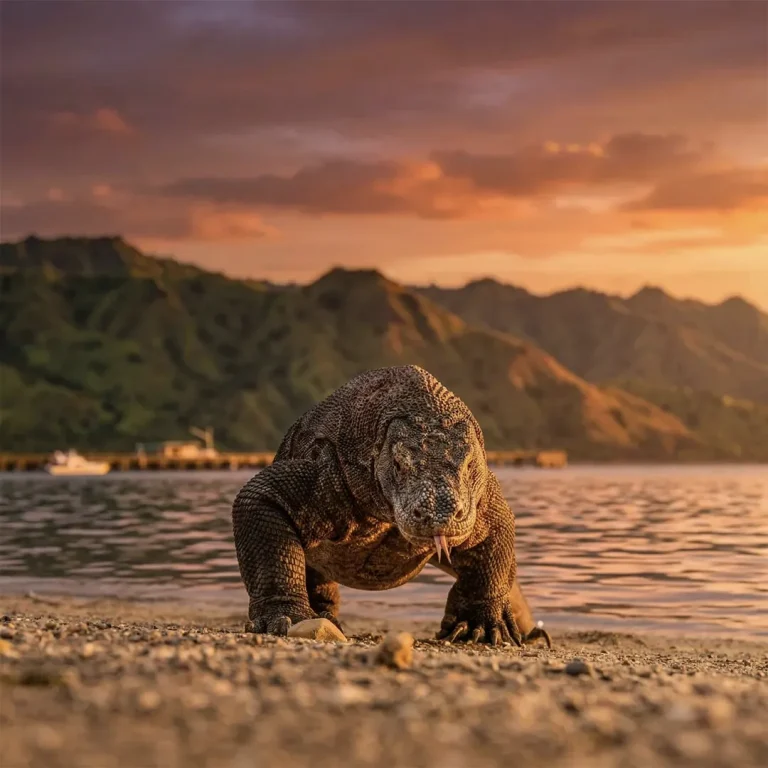
Travel Journal
Popular Liveaboard Routes 2027: Discover the Best Dive Experiences
For 2027, the most sought-after liveaboard routes focus on the Komodo National Park and the diverse marine life of the…
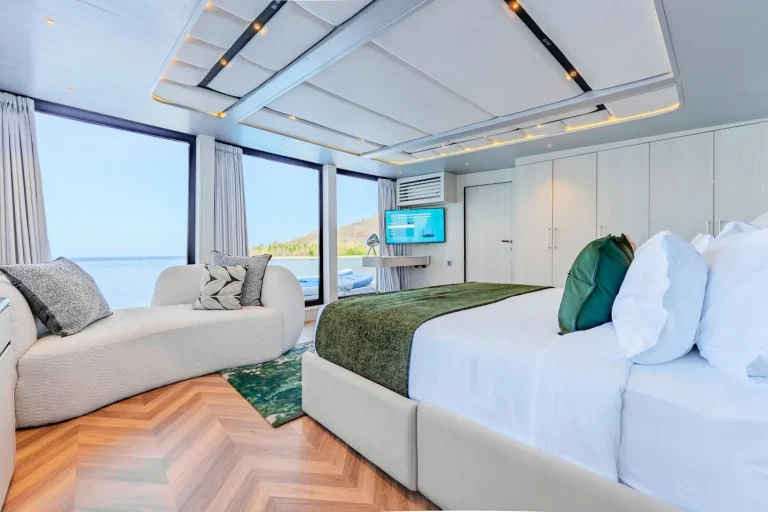
Travel Journal
Personalized Diving Experiences with AI in 2027
In 2027, personalized diving AI transforms underwater adventures by tailoring experiences to individual preferences and skill levels, ensuring a unique…