How to Choose a Safe and Luxurious Komodo Boat Operator
- Verify the vessel has SOLAS-compliant safety equipment, including life rafts, EPIRB, and satellite communication.
- Confirm the captain and crew have extensive local experience navigating Komodo’s challenging currents.
- Scrutinize the operator’s public reviews, focusing on comments about maintenance, crew professionalism, and emergency preparedness.
The air is thick with salt and the scent of sun-baked teak. Below, the Celebes Sea, a brilliant cerulean, churns with an energy you can feel through the hull. Volcanic islands, ancient and jagged, rise from the water like the vertebrae of a sleeping dragon. This is the raw, untamed world of the Komodo archipelago, a place where adventure and luxury converge. But the quality of this convergence—the seamless transition from thrilling wildlife encounter to five-star comfort—depends entirely on a single, critical decision: the vessel you choose. Selecting your operator is not merely a booking; it is an act of curation, the essential first step in crafting an expedition that is as secure as it is sublime. For the discerning traveler, sea of options requires a keen eye for detail and an uncompromising demand for excellence, a process we at Departures have refined through years of on-the-water reporting for our bali komodo live aboard experiences.
Decoding the Fleet: The Pedigree of Your Phinisi
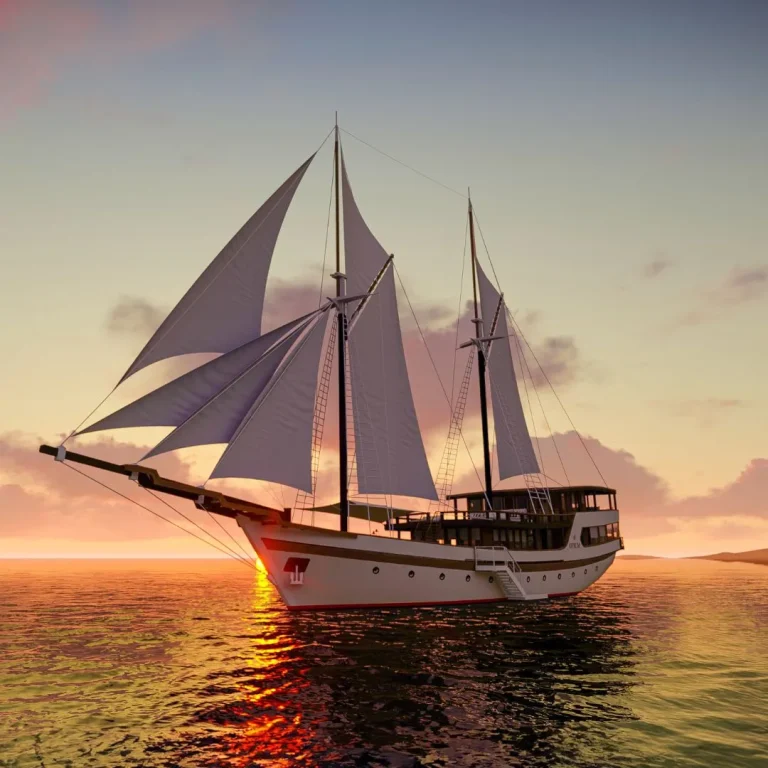
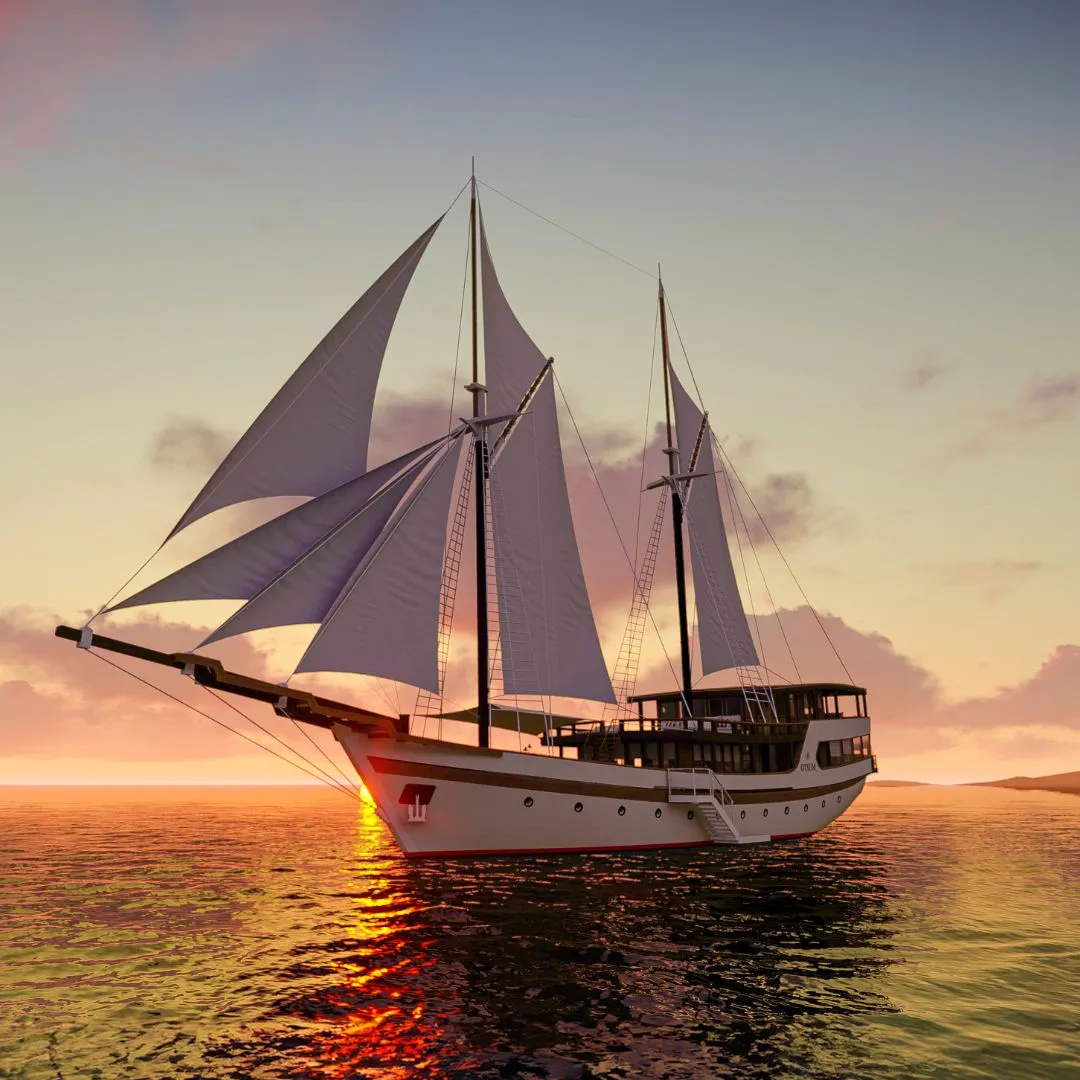
The vessel is the soul of your journey. In Indonesia, your choice largely falls between two distinct philosophies of sea travel: the traditional Phinisi and the modern motor yacht. While a contemporary yacht offers speed and familiar comforts, the Phinisi delivers an experience steeped in heritage. These two-masted wooden ships, a design whose shipbuilding art was inscribed on UNESCO’s list of Intangible Cultural Heritage, are hand-built by the Konjo people of South Sulawesi. A high-end Phinisi is not a rustic throwback; it is a floating boutique hotel crafted from ironwood and teak, often measuring over 40 meters in length. When vetting an operator, inquire about the vessel’s origin and age. Was it built in the traditional shipyards of Tanah Beru? A recently commissioned Phinisi, built in the last 5 years, often incorporates modern marine engineering and safety standards within its classic frame. For instance, top-tier operators invest in advanced navigation systems from brands like Furuno and Garmin, seamlessly integrating 21st-century technology into a 17th-century design. The quality of the build speaks volumes. A vessel that costs upwards of $2.5 million to construct is the owner’s commitment to longevity and, by extension, passenger safety. This level of investment is a clear differentiator in a market flooded with options of varying quality.
The Unseen Essentials: A Maritime Safety Protocols
Luxury is an illusion without an unwavering foundation of safety. The waters of Komodo National Park, particularly the Linta Strait, are notoriously treacherous, with currents that can exceed 8 knots. This is not a place for amateur seamanship. A premier operator’s commitment to safety is evident long before you step aboard. Your first line of inquiry should be their safety manifest. Ask for specifics. Do they have SOLAS-compliant inflatable life rafts with capacity for 125% of all passengers and crew? Is there an Emergency Position Indicating Radio Beacon (EPIRB) on board? What about satellite phones for communication beyond the reach of cellular towers, which cover less than 30% of the park’s 1,733 square kilometers? The standard you should expect is weekly drills, with every crew member — engineer and chef included — holding a named station for fire, man-overboard and abandon-ship. Ask the operator when the last drill was run and who logged it. Furthermore, every legitimate vessel must possess a Surat Persetujuan Berlayar (SPB), or sailing permit, issued by the harbormaster for each specific voyage. This document confirms the ship is seaworthy and the crew is certified. Never book with an operator who is hesitant to provide documentation of their safety equipment, crew certifications, and valid permits. It’s a clear red flag in a region where cutting corners can have dire consequences.
The Human Element: Vetting the Crew and Onboard Expertise
A magnificent vessel is merely a shell; it is the crew that breathes life and luxury into your voyage. The crew-to-guest ratio is a powerful, if crude, metric for the level of service you can anticipate. A true luxury experience often features a 1:1 ratio, ensuring every need is met with prompt, personalized attention. But it goes deeper than numbers. The crew’s expertise is paramount. Your captain should not just be a licensed mariner but a Komodo veteran with thousands of hours navigating these specific waters. The cruise director is your onboard concierge, a fluent English speaker who orchestrates the entire experience, from dive briefings to dinner service. diving, the most critical role is that of the Dive Master. They must hold a PADI or SSI certification, but more importantly, they must possess intimate knowledge of the local dive sites. A great guide knows precisely when to drop into Castle Rock to witness the shark aggregations and how to navigate the currents at Batu Bolong. Ask about their experience—a top-tier guide will have logged over 1,000 dives within Komodo National Park alone. The culinary team is another vital component. A luxury liveaboard should have a professionally trained chef capable of crafting multi-course meals that cater to diverse dietary requirements, a far cry from the simple buffet fare found on budget boats. The crew is the heart of your journey, and their collective expertise is the truest measure of a five-star operator.
The Anatomy of Onboard Luxury: Cabins, Cuisine, and Comfort
Once safety and crew are verified, you can turn your attention to the tangible elements of luxury that define the daily experience. The term “luxury” is subjective, so it’s crucial to look for specific, quantifiable features. Start with the cabins. A premium cabin on a Komodo Phinisi should be no less than 20 square meters, featuring a king-sized bed, high-thread-count linens, and, critically, a private sea-view balcony. En-suite bathrooms should be standard, complete with hot freshwater showers—a non-negotiable amenity after a day in the salt. Beyond the private quarters, assess the communal spaces. Is there a dedicated, air-conditioned interior salon for dining and relaxation? Are the sundecks expansive, offering both shaded and open areas with comfortable daybeds? Some elite vessels now offer amenities that rival land-based resorts: onboard jacuzzis, dedicated spa therapists for massages, and even climate-controlled camera rooms for underwater photography enthusiasts. The dining experience itself is a key differentiator. Inquire about the menu. Is it a set meal, or is it an à la carte or chef-led degustation experience? Do they have a proper wine and cocktail list? The difference in cost between a mid-range and a high-end liveaboard, which you can explore in our Bali Komodo Liveaboard Pricing & Cost Guide, is often reflected in these very details. A vessel that invests in a proper espresso machine, a well-stocked bar, and a creative chef understands the nuances of modern luxury travel.
Itinerary Intelligence: Crafting a Unique Komodo Experience
The standard Komodo itinerary—Rinca, Padar, Pink Beach—is spectacular, but a luxury operator distinguishes itself by going beyond this well-trodden path. They leverage their captain’s deep local knowledge to curate a journey that avoids the peak-hour crowds and reveals the park’s more secluded wonders. A superior operator will have a dynamic and flexible itinerary. They might visit a lesser-known manta ray cleaning station or anchor in a deserted cove for a private beach barbecue under the stars. According to the official tourism site, indonesia.travel, while Labuan Bajo is the gateway, the real magic lies in the 28 other islands within the park. Ask a potential operator how they manage their schedule to maximize wildlife sightings and minimize encounters with other boats. For example, they might time their visit to Komodo Island’s Loh Buaya ranger station for the early morning, when the dragons are more active and the day-trippers from Labuan Bajo have yet to arrive. This level of logistical finesse requires years of experience and is a hallmark of a truly guest-focused operation. A well-crafted journey feels less like a tour and more like a private expedition. For a comprehensive overview of what a journey can entail, our Definitive Bali Komodo Liveaboard Guide provides an in-depth look at the possibilities. The ultimate luxury is not just comfort, but the privilege of experiencing this primal paradise in relative solitude.
Quick FAQ on Choosing Your Komodo Operator
What is a reasonable price for a luxury liveaboard in Komodo?
For a true luxury experience on a high-end Phinisi, expect to pay between $800 and $1,500 per person, per night. This all-inclusive rate typically covers accommodations, all meals, diving, park fees, and excursions. Prices can vary based on season and cabin category. Our comprehensive cost guide breaks down the different tiers and what you get for your money.
How far in advance should I book my trip?
The best operators are often fully booked 9 to 12 months in advance, especially for the peak dry season from April to November. The most sought-after cabins, like master suites with private balconies, are the first to go. We recommend starting your planning at least a year out to secure your preferred vessel and dates. You can explore availability and book a Bali Komodo Liveaboard directly to ensure your spot.
Is travel and dive insurance mandatory?
Yes, virtually every reputable operator will require you to have comprehensive travel insurance that includes medical evacuation coverage of at least $200,000. For divers, specific dive insurance (like that from DAN – Divers Alert Network) is also mandatory. The remote location means any serious medical issue requires an expensive and complex evacuation, so this is a non-negotiable for your own safety and financial security.
What specific certifications should the crew have?
Beyond standard maritime licenses, the captain should have a specific license for the tonnage of the vessel and a proven track record in the Komodo region. The Dive Master or Instructor must be an active, insured professional with PADI or SSI, ideally with specialty certifications like Rescue Diver. The entire crew should have up-to-date first aid and CPR training, and at least one senior member should be a certified Emergency First Responder.
A journey through the Komodo archipelago is an investment in a once-in-a-lifetime experience. The diligence you apply in selecting your operator is the single most important factor in protecting that investment. It is the difference between a simple holiday and a seamless, top-tier expedition. By prioritizing documented safety, crew expertise, and the tangible markers of genuine luxury, you can navigate your options with confidence. The right vessel will not just be your transport; it will be your sanctuary, your private viewing platform, and your gateway to the wonders of this prehistoric world. At Bali Komodo Liveaboard, we have already undertaken this rigorous vetting process, curating a portfolio of vessels that meet the uncompromising standards our readers expect. Explore our fleet and begin crafting your own extraordinary Indonesian narrative.
Keep Reading
Uncategorized
Komodo Liveaboard from Bali: Share vs Private Guide 2026
Most travellers starting in Bali reach Komodo National Park by flying roughly one hour to Labuan Bajo and boarding a…

Uncategorized
Bali + Komodo Liveaboard Combos for 2027: The 3-Nights-Bali, 3-Nights-at-Sea Blueprint
The most dependable Bali Komodo liveaboard combo for 2027 is a six-night split: three nights on land in Bali, a…

Uncategorized
Booking a Komodo Liveaboard from Bali? Verify the Labuan Bajo Operator First
Yes — you can arrange a Komodo liveaboard from Bali, and travellers do it every day through agencies, hotel desks,…