Bali Komodo Liveaboard

Komodo Liveaboard Holidays From Australia: Routes From Sydney, Melbourne & Perth

Komodo liveaboard holidays from Australia typically involve flying from major Australian cities like Sydney, Melbourne, or Perth to Denpasar (Bali), then a domestic connection to Labuan Bajo (Flores), the gateway to Komodo National Park. The journey usually takes 10-14 hours total travel time, followed by a 3-7 night liveaboard experience.

  • Direct flights from Australia to Bali range from 3.5 to 6.5 hours.
  • Connecting flights from Bali to Labuan Bajo take approximately 1.5 hours.
  • Australian citizens receive a 30-day visa-on-arrival (VOA) in Indonesia, extendable once.

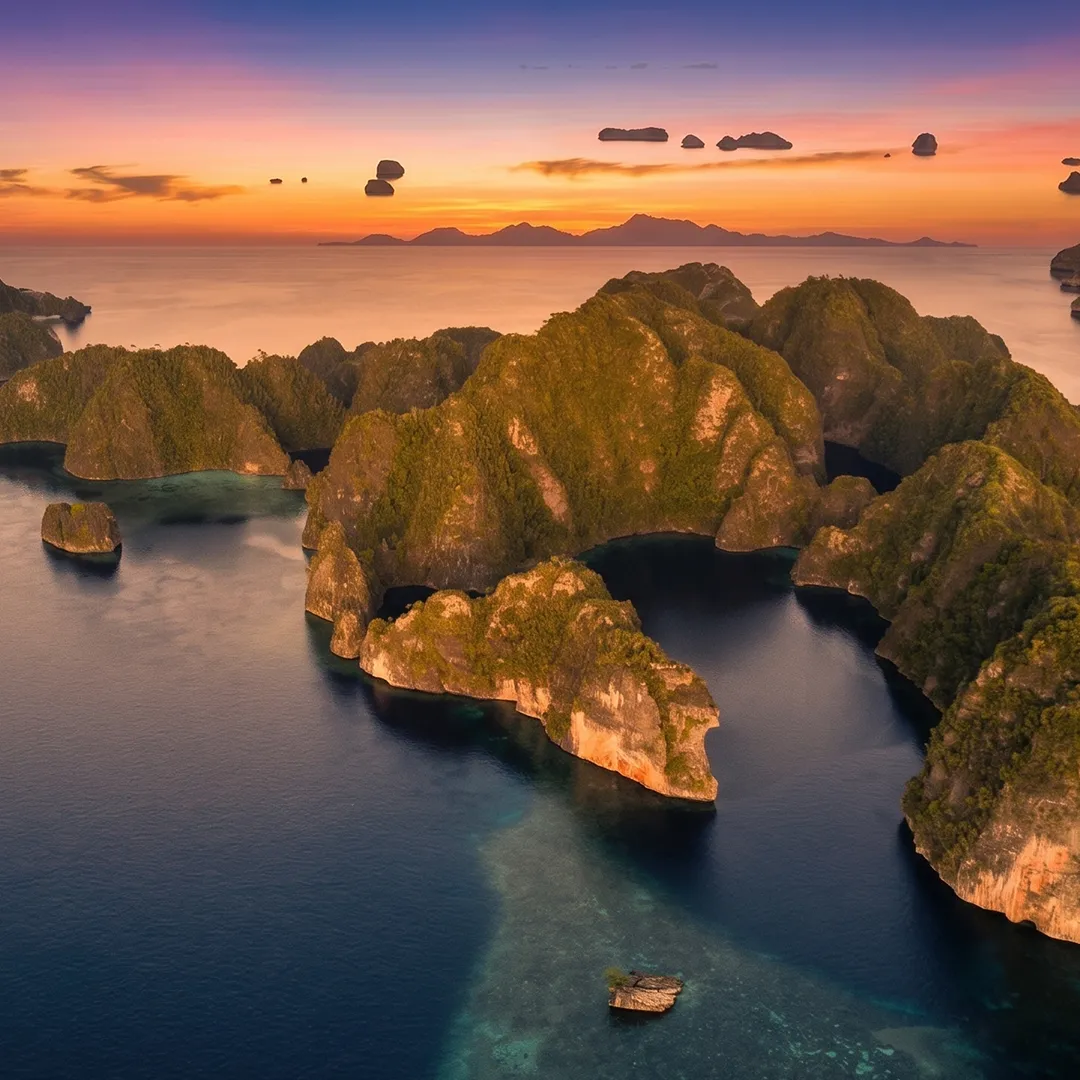
The morning light warms the deck, the scent of salt and brewing coffee mingling as the vessel navigates turquoise waters. Distant volcanic islands rise, their peaks sharp against a canvas of clear sky, beckoning explorers to the wild heart of Komodo National Park.

How do I get from Australia to Komodo National Park?

Accessing Komodo National Park from Australia primarily involves a two-stage flight journey: an international leg to Bali, followed by a domestic flight to Labuan Bajo. From Sydney, Melbourne, or Perth, direct international flights operate daily to Denpasar (DPS), Bali. For instance, a flight from Sydney (SYD) to Denpasar (DPS) typically spans 6 to 7 hours, with airlines like Qantas, Virgin Australia, and Jetstar offering regular services. From Melbourne (MEL), the flight duration to Denpasar is similar, around 6 hours. Perth (PER) offers the shortest international leg, with flights to Denpasar taking approximately 3.5 to 4 hours. These routes make the initial “australia to komodo national park” segment efficient.

Upon arrival in Denpasar, the next step is a domestic flight to Labuan Bajo (LBJ) on Flores Island, the direct gateway for all Komodo liveaboard trips. This connection typically takes 1 hour and 30 minutes. Airlines such as Garuda Indonesia, Lion Air, and Batik Air operate multiple daily flights between Denpasar and Labuan Bajo. It is advisable to book these domestic flights in advance, especially during peak travel seasons, as capacity can be limited. When planning a “sydney to bali komodo dive trip” or a “perth to labuan bajo via bali” itinerary, allow sufficient buffer time between international and domestic connections in Denpasar, ideally 3-4 hours, to account for potential delays and immigration processing. Australian passport holders benefit from Indonesia’s visa-on-arrival (VOA) policy, which grants a 30-day stay, extendable once for an additional 30 days. This simplifies entry for “australian passport visa komodo” requirements, making the process straightforward upon arrival at Indonesian international airports.

What is the best time for Australians to dive Komodo?

The optimal period for Australians to experience a Komodo liveaboard aligns perfectly with Indonesia’s dry season, which runs from April to December. During these months, the weather is consistently sunny with minimal rainfall, providing ideal conditions for both diving and land excursions. Water temperatures in the Komodo National Park generally range from a comfortable 26°C to 29°C year-round, while visibility often extends beyond 20-30 meters, particularly from May to October. This period offers stable currents, which are crucial for navigating dive sites like Batu Bolong and Castle Rock, renowned for their pelagic encounters.

For “australia winter komodo diving season”, June to August stands out as an exceptionally popular choice. While Australia experiences its cooler winter months, Komodo offers warm, clear waters and abundant marine life. This timing also coincides with Australian school holidays, making it convenient for families or groups seeking a “school holidays komodo liveaboard” adventure. During this peak season, manta ray sightings at sites like Manta Point are common, and the rich biodiversity, including various shark species, schooling fish, and vibrant coral gardens, flourishes. Even outside this peak, the shoulder months of April-May and September-November offer excellent conditions with fewer crowds. Divers can expect consistent encounters with diverse marine species, from pygmy seahorses and frogfish in the macro realm to reef sharks and giant trevally in the blue. The park, a UNESCO World Heritage Site, maintains its ecological integrity throughout the year, but the dry season provides the most predictable and comfortable surface conditions for a memorable “komodo liveaboard” experience.

How long should I plan for a Komodo liveaboard from Australia?

Planning a Komodo liveaboard from Australia requires considering both travel time and the liveaboard duration itself, typically suggesting a total trip length of 7 to 10 days. The actual liveaboard portion usually spans 3 nights/4 days to 7 nights/8 days, with 4 nights/5 days being a popular choice for first-time visitors. This duration allows for comprehensive exploration of Komodo National Park’s diverse dive sites and iconic land attractions. For example, a 4-night liveaboard can encompass visits to Komodo Island or Rinca Island for dragon trekking, a hike on Padar Island for panoramic views, and multiple dives at key locations like Manta Point, Pink Beach (Pantai Merah), and the coral gardens of Kanawa.

When factoring in travel from Australia, an additional 2 days are generally needed for flights. This includes one day for the journey from your Australian city (Sydney, Melbourne, Perth) to Labuan Bajo, often involving an overnight stop or a very early start, and another day for the return journey. Many Australian travelers choose to add an extra night or two in Labuan Bajo before or after their “komodo liveaboard” trip. This buffer allows for decompression, local exploration, or simply relaxing without the pressure of immediate flight connections. For instance, arriving in Labuan Bajo the day before your liveaboard departure ensures you are well-rested and ready for the adventure. Similarly, staying a night after the liveaboard concludes provides flexibility for evening flights or allows time to visit local markets or viewpoints. A 7-day total itinerary might look like: Day 1 (Travel Australia to Labuan Bajo), Days 2-5 (4-night liveaboard), Day 6 (Return Labuan Bajo and relax/local exploration), Day 7 (Travel Labuan Bajo to Australia). This duration balances extensive exploration with efficient travel, ensuring a fulfilling “komodo liveaboard from australia” experience.

Are there Australian dive shops offering Komodo liveaboard trips?

Yes, many Australian dive shops act as booking agents or collaborate with reputable Komodo liveaboard operators, facilitating trips for “aussie divers komodo liveaboard”. While few Australian shops directly own or operate vessels in Komodo, they often provide a convenient local point of contact, offering advice, package deals, and sometimes even group departures led by an Australian dive instructor. These partnerships simplify the booking process for Australian travelers, providing peace of mind with local currency transactions and customer support in their own time zone. Dive shops across major Australian cities, including Sydney, Melbourne, Brisbane, and Perth, frequently promote Komodo liveaboard itineraries.

When considering a booking through an Australian dive shop, verify their affiliation with recognized dive organizations like PADI or SSI, which indicates a commitment to safety and professional standards. They can often assist with flight bookings, pre-trip logistics, and provide insights into specific liveaboard vessels and routes that best suit individual preferences, whether for budget-conscious divers or those seeking luxury. However, it is also common for experienced Australian divers to book directly with Komodo liveaboard operators based in Indonesia. Direct booking can sometimes offer more flexibility in terms of boat choice and specific itinerary customization, potentially at a competitive price. Regardless of the booking method, ensure the liveaboard operator maintains high safety standards, employs experienced dive guides (many of whom are local Indonesians with unparalleled knowledge of the park), and adheres to environmental best practices within Komodo National Park. Researching reviews from other Australian divers can also provide valuable insights into the quality of service offered by both the dive shop and the liveaboard.

Komodo’s Underwater World: A Diver’s Blueprint

The waters of Komodo National Park, a UNESCO World Heritage Site, present a dynamic underwater environment, shaped by strong currents and nutrient-rich upwellings, fostering an incredible diversity of marine life. This region, situated in the heart of the Coral Triangle, boasts over 1,000 fish species, 260 coral species, and 70 sponge species. Dive sites vary from thrilling drift dives to calm macro havens. Manta Point, located south of Komodo Island, is a renowned cleaning station where dozens of manta rays, with wingspans reaching 5 meters, congregate year-round, particularly active during the austral winter months. The average depth here is 10-18 meters, making it accessible for open water divers.

Further north, sites like Castle Rock and Crystal Rock offer exhilarating currents and spectacular pelagic action. At Castle Rock, divers descend to depths of 20-30 meters, often encountering grey reef sharks, white-tip reef sharks, giant trevally, and barracudas schooling in the blue. Visibility frequently exceeds 25 meters. Batu Bolong, a pinnacle rising from 70 meters to just below the surface, is a kaleidoscope of hard and soft corals, teeming with reef fish, turtles, and occasional Napoleon wrasse. Its sheltered sides allow for relaxed exploration, while the exposed areas offer strong currents and larger pelagic encounters. The Cauldron, also known as Shotgun, is famous for its exhilarating drift dive through a channel, propelling divers past vibrant coral walls and into a sandy bowl where reef sharks and massive schooling fish often gather. For macro enthusiasts, sites around Rinca Island and Sebayur Kecil reveal a world of nudibranchs, frogfish, and various crustaceans hidden among the reef. A “komodo liveaboard” ensures access to these remote and pristine sites, often requiring advanced open water certification due to the strong and unpredictable currents.

Beyond the Depths: Land Excursions in Komodo

While the primary draw for many to Komodo National Park is its unparalleled diving, the terrestrial experiences are equally compelling and integral to a complete “komodo liveaboard” itinerary. The most iconic land excursion is a visit to Komodo Island or Rinca Island, the natural habitat of the Komodo dragon (Varanus komodoensis). These ancient reptiles, reaching up to 3 meters in length and weighing over 70 kg, roam freely in their natural environment. Guided treks, typically lasting 1-2 hours, are conducted by local rangers who provide insights into the dragons’ behavior, habitat, and conservation efforts. These treks are mandatory for visitor safety, maintaining a respectful distance from the powerful predators.

Another essential land visit is the hike up Padar Island. The ascent, involving approximately 800 steps, leads to a panoramic viewpoint offering arguably the most famous vista of the Komodo archipelago: three distinct crescent-shaped beaches, one white, one black, and one pink, separated by dramatic hills. The hike typically takes 30-45 minutes one-way and is best undertaken during sunrise or sunset for cooler temperatures and softer light. Pink Beach (Pantai Merah), named for its distinctive rosy sand derived from microscopic foraminifera, provides an opportunity for snorkeling, swimming, or simply relaxing on its unique shores. The shallow waters here are rich with small reef fish and corals, making it accessible for non-divers. Many “komodo liveaboard from australia” itineraries integrate these land excursions seamlessly, providing a balanced adventure between the marine and terrestrial wonders of this extraordinary UNESCO site.

Liveaboard Choices & Pricing for Australians

The range of Komodo liveaboard options caters to various preferences and budgets, ensuring there is a suitable vessel for every Australian traveler. Vessels vary from traditional Indonesian phinisi boats to modern steel-hulled ships, offering different levels of comfort and amenities. Budget-friendly liveaboards, often with shared cabins or simpler facilities, might start from approximately $150-$250 USD (2,250,000 – 3,750,000 IDR) per person per night. These usually provide essential diving services, basic meals, and comfortable bunk-style accommodations. A 3-night trip on such a vessel could range from $450-$750 USD (6,750,000 – 11,250,000 IDR).

Mid-range liveaboards, offering private cabins, air conditioning, and often more spacious common areas, typically cost between $300-$500 USD (4,500,000 – 7,500,000 IDR) per person per night. These vessels often include higher-quality meals, professional dive guides, and sometimes additional amenities like dedicated camera rooms. A 7-night trip in this category could range from $2,100-$3,500 USD (31,500,000 – 52,500,000 IDR). For those seeking a luxurious “komodo liveaboard” experience, high-end vessels provide private ensuites, gourmet dining, personalized service, and often dedicated crew members for every few guests. Prices for luxury liveaboards can range from $600-$1,000+ USD (9,000,000 – 15,000,000+ IDR) per person per night, with a 7-night itinerary easily exceeding $4,200-$7,000 USD (63,000,000 – 105,000,000 IDR). These prices generally include accommodation, all meals, diving, dive guides, and often non-alcoholic beverages, but typically exclude national park fees (around $100-$150 USD or 1,500,000 – 2,250,000 IDR per person per trip), equipment rental, alcoholic drinks, and gratuities. Researching specific “komodo liveaboard” options and comparing inclusions is crucial for Australian travelers planning their adventure.

Begin your Komodo liveaboard adventure today. Explore our diverse range of vessels and itineraries tailored for Australian travelers, ensuring a seamless journey from Sydney, Melbourne, or Perth to the heart of Komodo National Park. Visit our homepage to browse options or consult our Komodo Dive Sites Guide for more details. Contact the Bali Komodo Liveaboard team to plan your ultimate dive holiday.

Scroll to Top
💬