Life Onboard a Komodo Liveaboard: Food, Comfort and Daily Routine
- Mornings begin early, often before sunrise, with coffee and a light breakfast.
- Meals are a highlight, featuring diverse Indonesian and international cuisine with robust vegetarian options.
- Connectivity is limited, encouraging a digital detox, with power outlets available for charging essentials.
The morning light filters through your cabin window, a gentle rocking motion a constant, reassuring presence as the aroma of freshly brewed coffee permeates the air. This is the rhythm of the sea, the daily awakening aboard a Komodo liveaboard, a vessel designed for discovery within a UNESCO World Heritage site.
What is a typical day like on a Komodo liveaboard?
A typical day on a Komodo liveaboard is meticulously structured to maximize exploration and relaxation, beginning well before dawn and concluding under a canopy of stars. The `daily schedule komodo boat trip` often commences between 05:30 and 06:00, with a light breakfast of fruit, toast, and coffee or tea served as the boat repositions. The first activity, whether a dive, snorkel, or island trek, usually starts around 07:00. Dive briefings are precise, detailing currents, depths, and marine life expected at sites like Manta Point or Batu Bolong. For non-divers, options include guided snorkeling in coral gardens or land excursions to iconic locations such as Padar Island for sunrise hikes, or Pink Beach (Pantai Merah) for swimming and photography.
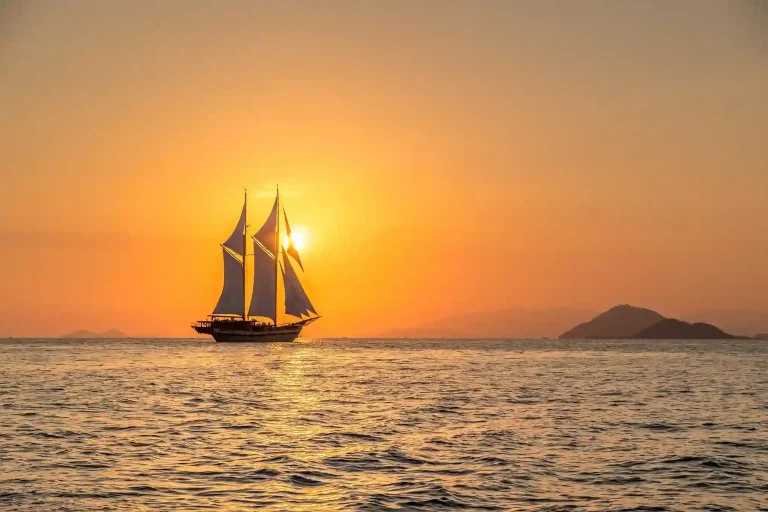
After the initial morning activity, a more substantial breakfast or brunch is served, typically around 09:00-10:00, providing energy for the day’s next adventure. The second activity, often another dive or snorkel session, takes place mid-morning, followed by lunch, usually around 12:30-13:00. The afternoon brings a third activity, perhaps a visit to Komodo Island or Rinca to observe the Komodo dragons (Varanus komodoensis) with a local ranger, or a drift dive along vibrant reefs. Between activities, the boat travels between sites within Komodo National Park, covering distances of 5-15 nautical miles (9-28 km). The late afternoon often culminates in a `sunset views komodo liveaboard` experience from the deck, observing the shifting colors of the sky over the Lesser Sunda Islands, sometimes with sundowner snacks and beverages. Dinner is typically served between 19:00 and 20:00, followed by a final dive briefing for the next day, or an optional night dive for certified divers. Evenings are for stargazing, conversation, or reviewing photographs, with generator power for lighting and charging usually available until late, around 22:00-23:00. This routine defines `what is it like on a komodo liveaboard`, providing a consistent yet varied experience.
Is the food good on Komodo liveaboard trips?
The food on Komodo liveaboard trips is generally considered excellent, a highlight for many guests, with dedicated chefs preparing a diverse array of fresh, flavorful meals throughout the day. The `komodo liveaboard food` philosophy centers on utilizing local ingredients, often sourced from Labuan Bajo, the gateway to the Komodo National Park. Breakfasts range from Indonesian staples like nasi goreng or mie goreng to Western options such as pancakes, eggs cooked to order, and fresh tropical fruits like papaya, pineapple, and watermelon. Lunches and dinners typically feature a buffet-style spread of Indonesian dishes, including fresh grilled fish (ikan bakar), chicken curry, vegetable stir-fries, and rice. Seafood is a prominent feature, given the proximity to the ocean, often caught fresh daily.
`Vegetarian options komodo liveaboard` are consistently available and well-catered for, provided dietary preferences are communicated in advance. Chefs are adept at preparing flavorful plant-based dishes, utilizing tofu, tempeh, and a wide variety of local vegetables. Guests can expect dishes such as gado-gado (vegetable salad with peanut sauce), sayur lodeh (vegetables in coconut milk), and various curries without meat or fish. Snacks are served between main meals, including biscuits, fresh fruit, and sometimes freshly baked goods. Hydration is key, with unlimited access to water, coffee, and tea. Soft drinks and alcoholic beverages are usually available for purchase. The quality of meals often exceeds expectations, transforming the dining experience into a communal and enjoyable aspect of the journey, with meals served either in a dedicated dining area or al fresco on the deck, offering views of the surrounding archipelago.
Do Komodo liveaboards have Wi-Fi and phone signal?
Connectivity on Komodo liveaboards is typically limited, reflecting the remote nature of the Komodo National Park, making a `wifi on komodo liveaboard` connection a rare commodity. Most budget and mid-range liveaboards do not offer onboard Wi-Fi. Luxury vessels might provide a satellite Wi-Fi service, often at an additional cost, with data caps and slower speeds compared to terrestrial connections. It’s crucial to manage expectations regarding internet access; the primary purpose of these trips is to disconnect and engage with the natural environment.
As for `phone signal`, coverage is sporadic and unreliable within the park boundaries. While some areas near larger islands like Komodo or Rinca, or closer to Labuan Bajo, might offer intermittent 3G or 4G signal (primarily from Indonesian providers like Telkomsel), vast stretches of the journey will be entirely without service. Expect periods of 12-24 hours or more with no signal whatsoever, particularly when cruising between distant islands such as Gili Lawa or Kanawa, or during dives. This lack of connectivity is often embraced by guests as a digital detox, allowing for greater immersion in the experience. If staying connected is critical, consider purchasing a local Indonesian SIM card (e.g., Telkomsel) in Labuan Bajo before departure, as it generally offers the best, albeit still limited, coverage in remote areas. However, even with a local SIM, be prepared for significant periods without service.
What can I do on the boat between dives and island stops?
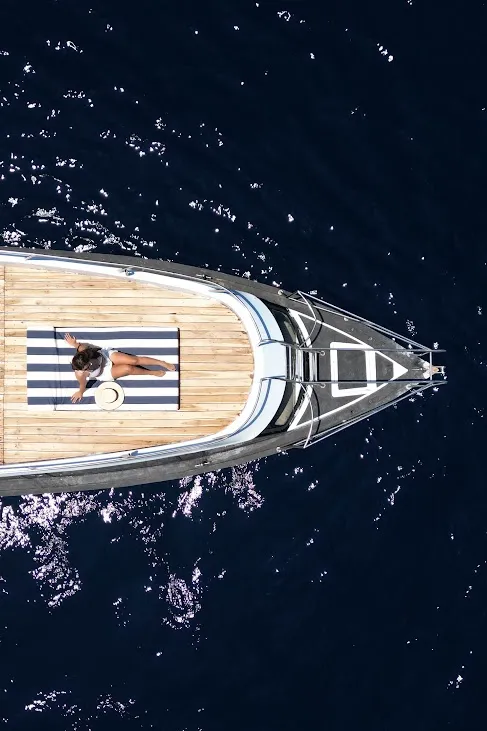
Between dives and island stops, the `komodo liveaboard` provides numerous opportunities for relaxation, observation, and engagement, allowing guests to fully absorb the environment. Many guests choose to lounge on the sun deck, soaking in the tropical rays while reading a book or simply watching the changing seascape. The journey between sites, which can range from 30 minutes to a few hours, offers prime opportunities for wildlife spotting; it’s common to see flying fish, various seabirds, and even dolphins or pilot whales breaching the surface. Photography enthusiasts will find endless subjects, from the dramatic volcanic landscapes of the islands to the vibrant colors of the water, especially during `sunset views komodo liveaboard` from the open deck.
For those interested in their underwater adventures, reviewing dive logs, identifying marine species with guidebooks provided onboard, or sharing stories and photographs with fellow travelers are popular pastimes. Many boats feature comfortable communal areas, such as a shaded lounge or dining salon, ideal for conversation, playing board games, or simply napping in the gentle sway of the boat. Cabins on `phinisi` vessels are equipped with `power outlets on phinisi` (typically Type C/F, 220V), allowing guests to charge cameras, phones, and other devices. Some liveaboards also offer basic fishing gear for those who wish to try their hand at catching dinner, or kayaks and stand-up paddleboards for a quiet paddle in sheltered bays. The crew is always available for a chat, often sharing insights into local culture or the marine environment. The downtime is designed to be as enriching as the active excursions, fostering a sense of community and appreciation for the remote beauty of the Komodo archipelago.
Navigating Comfort and Safety: Addressing Sea Sickness and Onboard Power
Understanding the practicalities of comfort and safety is key to a smooth `komodo liveaboard` experience, including managing `sea sickness komodo liveaboard` and ensuring access to `power outlets on phinisi`. Modern phinisi vessels, traditional Indonesian sailing boats adapted for tourism, are generally stable, ranging from 20 to 35 meters in length. However, the waters around Komodo National Park, particularly during certain seasons (e.g., July-August, when winds can be stronger), can experience swells. For guests prone to motion sickness, taking preventative measures is highly recommended. Over-the-counter medications like Dramamine or Bonine, acupressure bands, or ginger supplements can be effective. Choosing a cabin mid-ship and on a lower deck can also help minimize the sensation of movement. Most liveaboards carry basic first-aid supplies, and the crew is trained to assist with minor ailments, though it is always wise to bring personal medications.
Regarding power, `phinisi` liveaboards typically operate on generators, providing 220V electricity to `power outlets on phinisi` in cabins and communal areas. These are usually European standard Type C or F outlets, so international travelers should bring appropriate adapters. Power is generally available for several hours a day, often during meal times and evenings, allowing ample opportunity to charge cameras, dive computers, and other personal electronics. Some luxury vessels may offer 24-hour power, but it’s not standard across all price points. For instance, a budget `komodo liveaboard` might cost $150-250 USD (IDR 2.3M-3.8M) per night, offering scheduled power, while a mid-range option at $300-600 USD (IDR 4.6M-9.2M) per night might provide longer power availability, and luxury options exceeding $800 USD (IDR 12M) per night often feature continuous power. Always confirm specific power availability and outlet types with your chosen liveaboard operator. Safety briefings are conducted at the start of every trip, covering emergency procedures, life jacket locations, and fire safety, ensuring peace of mind throughout the journey.
A Komodo liveaboard journey offers an exceptional opportunity to explore one of Indonesia’s most captivating natural wonders. From the precision of daily dive schedules to the warmth of freshly prepared meals and the quiet moments of reflection under a starry sky, every element is designed to create a profound connection with this extraordinary environment. To learn more about our diverse fleet and find the perfect itinerary for your adventure, visit our homepage or explore our Komodo diving guide. For personalized assistance with planning your trip, do not hesitate to contact the team.
Keep Reading
Uncategorized
Komodo Liveaboard from Bali: Share vs Private Guide 2026
Most travellers starting in Bali reach Komodo National Park by flying roughly one hour to Labuan Bajo and boarding a…
Uncategorized
Bali + Komodo Liveaboard Combos for 2027: The 3-Nights-Bali, 3-Nights-at-Sea Blueprint
The most dependable Bali Komodo liveaboard combo for 2027 is a six-night split: three nights on land in Bali, a…
Uncategorized
Booking a Komodo Liveaboard from Bali? Verify the Labuan Bajo Operator First
Yes — you can arrange a Komodo liveaboard from Bali, and travellers do it every day through agencies, hotel desks,…