Weather and Sea Conditions in Komodo: What to Expect on a Liveaboard
- Dry season seas are typically calm, with average wave heights under 1 meter.
- Water temperatures range from 20°C in the south to 29°C in northern Komodo.
- Visibility often exceeds 25 meters, peaking during the dry season.
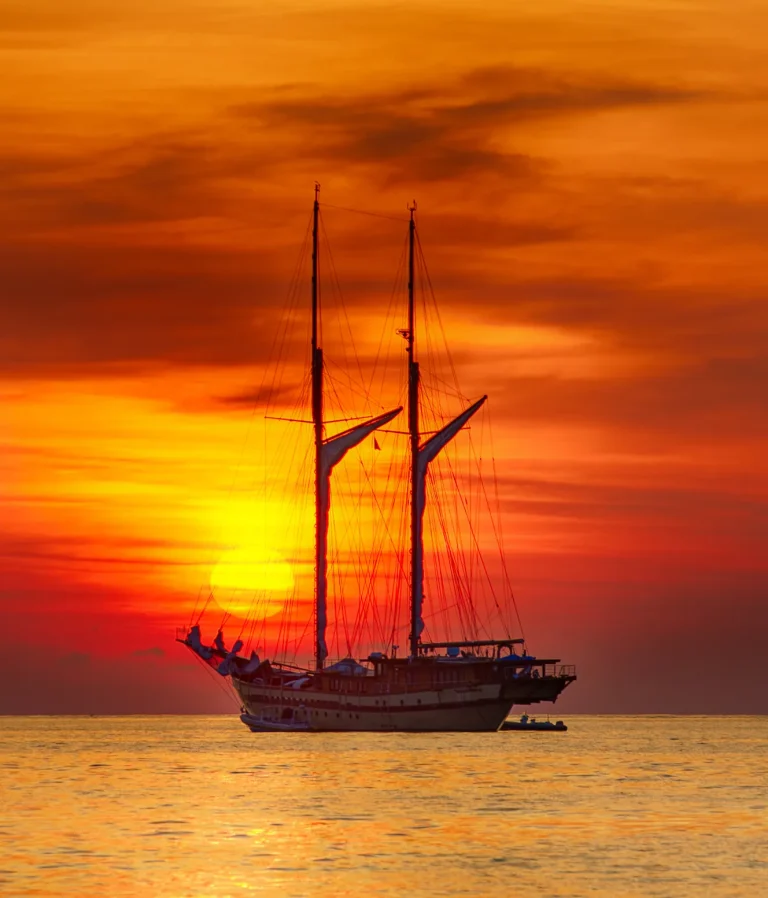
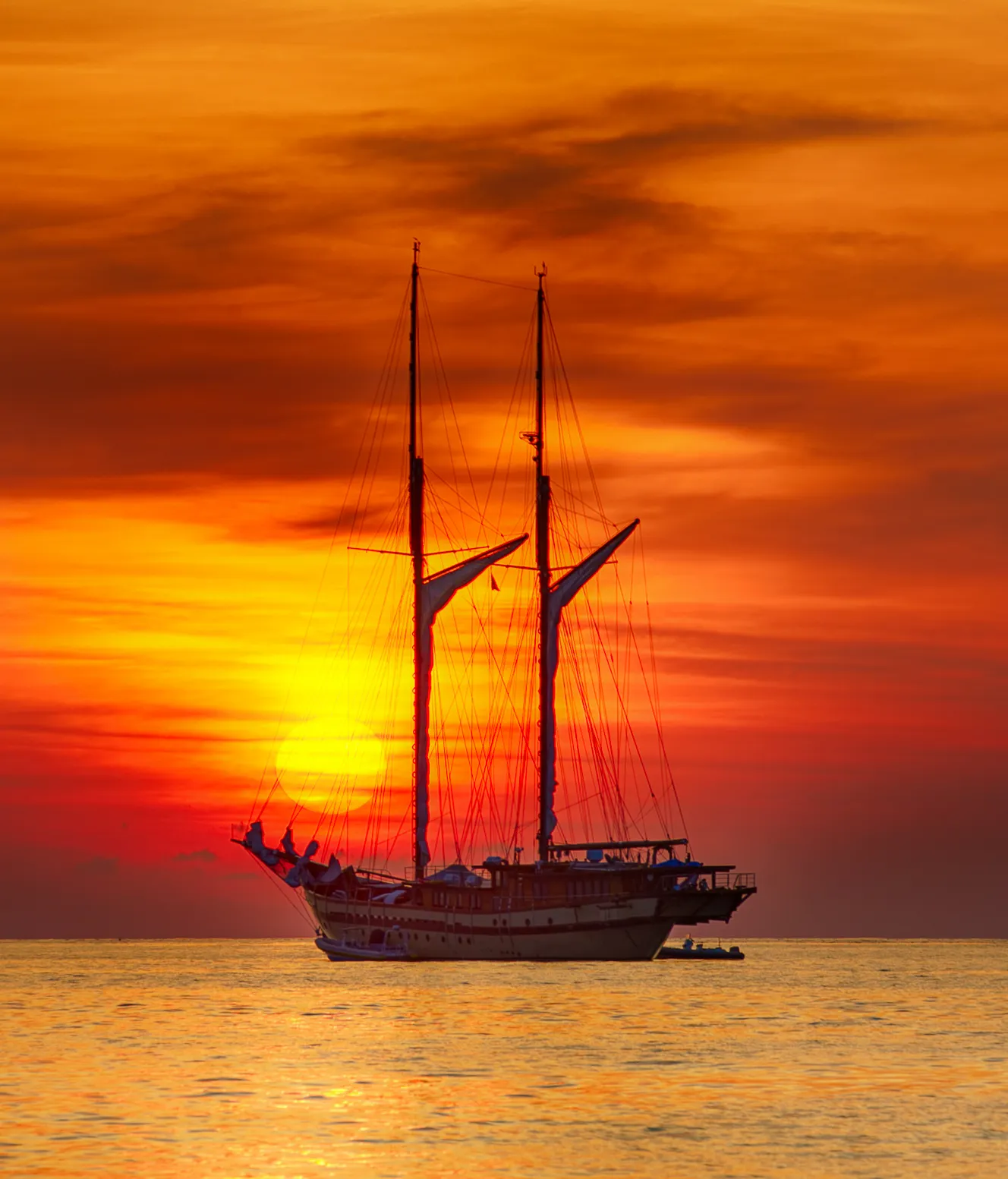
The sun warms the teak deck, a light breeze carries the scent of salt and distant earth, and the turquoise expanse of the Flores Sea stretches to the horizon. This is the daily rhythm aboard a Komodo liveaboard, a journey dictated by currents, tides, and the overarching seasonal shifts that shape this vibrant marine ecosystem.
Is the sea rough in Komodo National Park?
Generally, the sea conditions in Komodo National Park are moderate, making for a comfortable Komodo liveaboard experience, though specific periods and locations can present choppier waters. During the dry season, from May to October, prevailing southeast winds are common, particularly around July and August. These winds can generate whitecaps and increase wave heights, especially in more exposed areas like the open stretches between islands or the Sape Strait, which many liveaboards cross to reach Labuan Bajo. Wave heights during this period typically range from 0.5 to 1.5 meters. Inside the sheltered bays and between the larger islands of Komodo and Rinca, the waters remain considerably calmer, offering protected anchorages and dive sites.
Conversely, the wet season, from November to April, experiences monsoonal northwest winds. While these can bring periods of rain and squalls, the overall wind patterns are less consistently strong than the dry season’s peak. Wave heights during the wet season are often similar, or even slightly less, than the dry season, averaging 0.5 to 1 meter. The heaviest rainfall typically occurs in January and February, which might reduce visibility temporarily but rarely makes the entire park inaccessible. Most reputable Komodo liveaboard operators are highly experienced in navigating these conditions, adjusting itineraries to seek out the calmest waters and best diving opportunities. For instance, if the west side of Komodo is experiencing stronger swells, the east side or the more protected channels might be prioritized. Crossings from Labuan Bajo to the central park usually take 3-4 hours, covering approximately 20-30 nautical miles, and are mostly smooth, especially in the early morning. Safety protocols on board, including professional crew and robust vessel design, prioritize passenger comfort regardless of the weather.
What is the water temperature in Komodo?
The water temperature in Komodo is remarkably varied, offering a spectrum of conditions that influences both marine life distribution and diver comfort, with specific ranges by month and location. In the northern and central areas of Komodo National Park, including iconic sites like Manta Point, Siaba Kecil, and Batu Bolong, temperatures consistently range from 27°C to 29°C (81°F to 84°F) for most of the year. These warmer waters are typical of tropical regions and support extensive coral reef systems and pelagic life.
However, as a Komodo liveaboard ventures south towards Padar Island and the southern reaches of Komodo, such as Langkoi Bay, Mutiara, and Nusa Kode, the water temperature drops significantly. This phenomenon is due to upwellings of cooler, nutrient-rich water from the deeper Indian Ocean. From May to October, during the dry season, these southern sites can see temperatures plummet to 20°C to 24°C (68°F to 75°F). In some deeper sections or during particularly strong upwellings, temperatures can even dip to 18°C (64°F) for short periods. This dramatic temperature gradient, known as a thermocline, is a defining characteristic of Komodo diving and contributes to its exceptional biodiversity, attracting large aggregations of marine life, including manta rays and various shark species, drawn to the abundant food source.
During the wet season (November to April), the upwelling in the south is generally less pronounced, leading to slightly warmer southern water temperatures, typically 24°C to 27°C (75°F to 81°F). Divers should always be prepared for these temperature fluctuations. For northern and central diving, a 3mm shorty or full wetsuit is usually sufficient. For southern Komodo, a 5mm full wetsuit, hood, and even gloves are highly recommended to ensure comfort during multiple dives per day. Many liveaboards provide rental wetsuits, but bringing your own well-fitting gear is advisable. These temperature differences are not merely a comfort factor; they are a critical ecological driver that makes Komodo National Park a dynamic and biologically rich environment.
When is visibility best for diving Komodo?
Visibility for diving in Komodo is generally excellent, often exceeding 20 meters, but it reaches its peak clarity during the dry season, from May to October. During these months, the prevailing southeast winds contribute to calmer surface conditions in many areas, and there is minimal rainfall, which means less runoff from land entering the water. This period sees typical visibility ranging from 25 to 40 meters at popular dive sites like Castle Rock, Cauldron (Karang Makassar), and The Passage. The consistent sunlight also enhances the vibrancy of the underwater colors. This clarity is a major draw for divers seeking to experience the full scale of Komodo’s vibrant coral gardens and prolific marine life on a Komodo liveaboard.
However, visibility can vary based on several factors, including currents, plankton blooms, and specific locations. Areas with strong currents, such as those around Batu Bolong or Tatawa Besar, might experience reduced visibility due to particulate matter being stirred up, even during peak season. Plankton blooms, while occasionally reducing visibility to 10-15 meters, are often a welcome sight for divers as they attract large filter feeders like manta rays and whale sharks. For example, Manta Point, famous for its manta ray cleaning stations, often has visibility in the 15-25 meter range due to the plankton-rich water that attracts these magnificent creatures.
During the wet season (November to April), increased rainfall can lead to more runoff from the islands, potentially reducing visibility, especially in shallower bays closer to land. However, offshore sites and areas with strong currents often maintain good visibility, typically 15-25 meters. The southern sites, despite their colder temperatures, frequently boast excellent visibility, sometimes even better than the north, especially when the upwellings are strong and clear. Planning a Komodo liveaboard trip during any season offers spectacular diving, but for maximum visibility, the dry season remains the top choice. For more detailed insights into marine life and dive sites, consult the official PADI website for Komodo dive guides: PADI Komodo Dive Sites.
Are some areas of Komodo colder than others?
Yes, distinct areas within Komodo National Park exhibit significant temperature differences, with the southern regions consistently being much colder than the central and northern parts. This stark contrast is primarily due to oceanographic phenomena, specifically the deep-water upwelling from the Indian Ocean. As previously mentioned, the northern and central Komodo waters, encompassing areas around Gili Lawa, Kanawa, and the northern sections of Komodo and Rinca islands, maintain tropical temperatures of 27°C to 29°C (81°F to 84°F). These areas are characterized by extensive shallow coral reefs and are ideal for divers seeking warm, comfortable conditions.
In contrast, the southern reaches of the park, particularly south of Padar Island and extending towards Nusa Kode, Langkoi Bay, and the shores of Komodo Island facing the open Indian Ocean, experience dramatically lower temperatures. Here, cold, nutrient-rich water from the deep ocean rises to the surface, creating an environment that can see temperatures drop to 20°C to 24°C (68°F to 75°F) during the dry season, with occasional dips to 18°C (64°F) at depth or during strong upwelling events. These colder waters support a different ecosystem, characterized by rich soft coral gardens, prolific invertebrate life, and larger pelagic species drawn to the abundant food supply. Dive sites like Cannibal Rock, Yellow Wall, and Mutiara are renowned for their biodiversity and the exhilarating experience of diving in these cooler currents.
Divers planning a Komodo liveaboard should be prepared for these variations. A 3mm wetsuit is generally sufficient for the north, but a 5mm or even 7mm wetsuit, possibly with a hood and gloves, becomes essential for comfort and safety during multiple dives in the colder southern waters. Many liveaboard operators will clearly outline the expected water temperatures in their itineraries, allowing divers to pack appropriate gear. The unique thermal stratification is a key reason Komodo National Park is recognized as a UNESCO World Heritage site, supporting an extraordinary array of marine life found nowhere else. You can learn more about its unique status on the UNESCO website: UNESCO Komodo National Park.
The Dry Season (May to October): Prime Conditions for Your Komodo Liveaboard
The dry season, spanning from May to October, is widely considered the optimal period for a Komodo liveaboard adventure, offering a near-perfect confluence of favorable weather and sea conditions. During these months, the region experiences consistent sunshine, minimal rainfall, and generally calm seas, especially within the sheltered channels and bays of Komodo National Park. Daytime temperatures typically hover around 30°C to 32°C (86°F to 90°F), with comfortable humidity levels. The prevailing southeast winds, while occasionally creating choppier conditions in open waters (particularly in July and August with average wind speeds of 10-15 knots), ensure excellent visibility for diving, often exceeding 25 meters.
This period is ideal for exploring all facets of Komodo, from trekking to see the Komodo dragons on Rinca and Komodo islands to snorkeling with manta rays at Manta Point and diving the vibrant reefs of Batu Bolong. The clearer waters and abundant sunlight enhance underwater photography, making colors pop with remarkable intensity. Liveaboard trips during this season are in high demand, reflecting the superior conditions. For example, a 7-day/6-night Komodo liveaboard trip during the dry season might cost between USD 2,500 and USD 5,000 (IDR 39,000,000 to IDR 78,000,000) per person, depending on the vessel’s luxury level, cabin type, and inclusions.
While the south Komodo waters remain cooler even in the dry season, the overall predictability of the weather allows for more consistent access to these remote, biodiverse sites. The dry season is also the peak time for wildlife viewing, both above and below the surface, as the stable conditions encourage active foraging and breeding behaviors. Booking well in advance for a Komodo liveaboard during this period is strongly recommended, as berths fill up quickly. Many operators offer various itineraries, from 3-day short trips to 10-day comprehensive explorations, ensuring ample choice for every traveler.
The Wet Season (November to April): Navigating Komodo’s Quieter Months
The wet season in Komodo National Park, from November to April, presents a different, often quieter, experience for a Komodo liveaboard, characterized by monsoonal influences but still offering exceptional opportunities. While this period is marked by increased rainfall, particularly from January to March, it rarely leads to continuous downpours. Instead, rain typically comes in tropical bursts, often in the late afternoon or overnight, leaving ample daylight for activities. Daytime temperatures remain high, around 28°C to 30°C (82°F to 86°F), with higher humidity.
Prevailing northwest winds during the wet season can bring occasional squalls and choppier seas to the northern and western parts of the park. However, these winds also create calmer conditions in the more easterly and southerly sheltered areas. Liveaboard captains, with their extensive local knowledge, skillfully adapt itineraries to maximize comfort and diving quality, often favoring sites like Pink Beach (Pantai Merah) or the eastern side of Komodo Island. Visibility, while potentially reduced in shallow areas near land due to runoff, generally remains good offshore, typically 15-25 meters.
One notable advantage of the wet season is the slightly warmer water in the southern Komodo sites. The upwelling phenomenon is less intense, raising temperatures to a more comfortable 24°C to 27°C (75°F to 81°F), making these biologically rich areas more accessible for divers sensitive to cold. This period is also when plankton blooms can be more prevalent, attracting large pelagic species like manta rays and even whale sharks in greater numbers. The park experiences fewer visitors during the wet season, translating to less crowded dive sites and a more intimate experience. A 7-day/6-night Komodo liveaboard trip during the wet season might cost between USD 2,000 and USD 4,000 (IDR 31,000,000 to IDR 62,000,000), often offering better value than peak dry season rates. For general travel information on Indonesia, including seasonal insights, refer to the official tourism board: Indonesia.Travel.
Planning your Komodo liveaboard adventure requires considering these seasonal nuances, but rest assured, the park’s dynamic conditions consistently deliver an exceptional experience. Whether you seek the calm, clear waters of the dry season or the unique wildlife encounters of the wet season, understanding the weather and sea conditions ensures you arrive prepared for the wonders that await. Explore our diverse Komodo liveaboard itineraries to find the perfect journey for you, or deeper into our homepage for more information on specific vessels and departures. For a comprehensive overview of diving opportunities, visit our Komodo Diving Guide. Contact our expert team today to begin planning your extraordinary expedition into the heart of Komodo National Park.
Keep Reading
Uncategorized
Komodo Liveaboard from Bali: Share vs Private Guide 2026
Most travellers starting in Bali reach Komodo National Park by flying roughly one hour to Labuan Bajo and boarding a…
Uncategorized
Bali + Komodo Liveaboard Combos for 2027: The 3-Nights-Bali, 3-Nights-at-Sea Blueprint
The most dependable Bali Komodo liveaboard combo for 2027 is a six-night split: three nights on land in Bali, a…
Uncategorized
Booking a Komodo Liveaboard from Bali? Verify the Labuan Bajo Operator First
Yes — you can arrange a Komodo liveaboard from Bali, and travellers do it every day through agencies, hotel desks,…