Responsible Komodo Liveaboard Travel: Conservation, Plastic and Local Impact
- Komodo National Park enforces specific regulations to protect its 2,900 Komodo dragons and 1,000+ fish species across 173,300 hectares of marine territory.
- Many `komodo liveaboard` operators implement a zero single-use plastic policy, preventing an estimated 200-300 plastic bottles per trip from entering the delicate marine ecosystem.
- Support for local guides and communities directly benefits Labuan Bajo residents, fostering sustainable tourism infrastructure and providing essential income for approximately 2,000 people in Komodo Village.
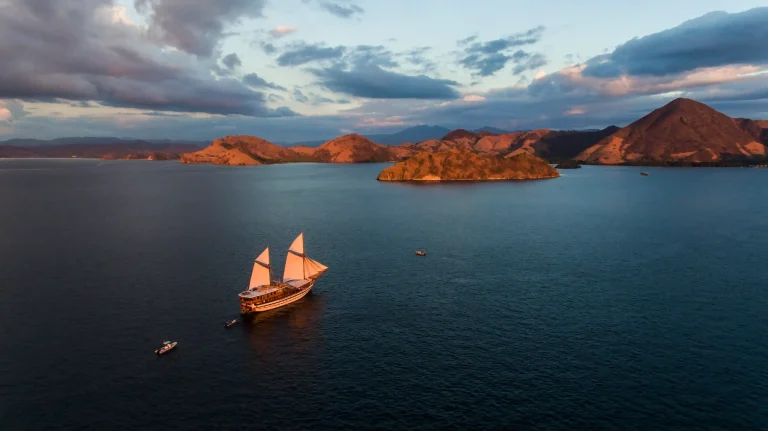
The sun rises over volcanic islands, painting the sky with ochre and rose as your Komodo liveaboard navigates the calm waters of the Flores Sea. A warm breeze carries the scent of salt and distant land, promising encounters with ancient reptiles and vibrant coral gardens. This archipelago, a realm of dramatic landscapes and exceptional marine life, calls for a conscious approach to exploration.
The Imperative of Responsible Tourism in Komodo National Park
Komodo National Park, designated a UNESCO World Heritage Site in 1991, represents a critical global biodiversity hotspot. Comprising three major islands—Komodo, Rinca, and Padar—along with numerous smaller islets, the park spans approximately 173,300 hectares of marine area and 40,000 hectares of land. It is the sole natural habitat for the Komodo dragon (Varanus komodoensis), an apex predator with a population estimated at around 3,000 individuals. Beyond its terrestrial giants, the park’s waters host an astonishing marine ecosystem: over 1,000 fish species, 260 coral species, and 14 species of cetaceans including whales and dolphins. Accessing this remote wonder often means choosing a `komodo liveaboard`, which serves as both a vessel for discovery and a platform for environmental stewardship. Responsible tourism here means understanding the delicate balance between visitor experience and the urgent need for preservation. With visitor numbers reaching an average of 200,000 annually pre-pandemic, the collective impact of each traveler becomes significant. Engaging in `responsible tourism komodo dragons` ensures these prehistoric creatures and their marine neighbors continue to thrive in their natural environment, upholding the park’s stringent `komodo conservation rules` designed to protect its unique geological formations and biological processes.
How can I choose an eco-friendly Komodo liveaboard?
Choosing an `eco friendly komodo liveaboard` involves scrutinizing operational practices, certifications, and crew ethos to ensure your journey contributes positively to the region. Firstly, research vessels that openly declare their environmental policies. Look for adherence to international standards like those from Green Fins, which provides a comprehensive framework for `sustainable diving practices komodo` through 15 environmental points, covering everything from waste management to marine life interaction. Verify the vessel’s waste management protocols: proper segregation of organic, recyclable, and non-recyclable materials, and responsible disposal methods in Labuan Bajo, rather than at sea. Inquire about their `no plastic policy on liveaboard`, often manifested through refillable water stations, reusable containers, and encouraging guests to bring their own sustainable toiletries. Energy efficiency is another indicator; some operators utilize solar panels or employ fuel-efficient engines, reducing their carbon footprint 30-40 nautical miles from Labuan Bajo to the central park islands like Rinca. Furthermore, an `eco friendly komodo liveaboard` prioritizes local economic benefit. This includes sourcing fresh produce from local markets in Labuan Bajo, reducing food miles, and crucially, `supporting local guides labuan bajo` and crew members. A typical local guide earns IDR 100,000-200,000 per day (approximately USD 6-13) plus tips, providing direct income to the community. While budget `komodo liveaboard` options for a 3-day/2-night trip might start from USD 200-300 per person (IDR 3,100,000 – 4,700,000), premium vessels offering a 7-day/6-night experience can exceed USD 800 per night (IDR 12,500,000), often reflecting higher operational standards and environmental investments.
What are the main environmental threats in Komodo National Park?
The main environmental threats in Komodo National Park stem from plastic pollution, unsustainable fishing practices, and the pervasive impacts of climate change on its fragile ecosystems. Plastic waste, originating from both local communities and the tourism sector, poses a significant danger to marine life; studies consistently detect microplastics within the park’s waters, affecting species from microscopic plankton to large manta rays and turtles. The typical plastic bottle takes 450 years to degrade, accumulating in the food chain. Historically, destructive fishing methods like dynamite and cyanide fishing caused widespread coral reef degradation across the 1.2 million hectare marine area, though intensified patrols have significantly reduced their prevalence within strictly protected zones. Climate change presents a long-term, systemic threat, manifesting as rising sea temperatures that trigger coral bleaching events. The 2016 bleaching event, for instance, impacted an estimated 10-20% of corals in some areas, weakening entire reef structures that grow at a slow rate of 0.5-2 cm per year for massive and branching corals, respectively. Ocean acidification further impedes coral growth and the ability of marine organisms to form shells. Over-tourism pressure, particularly at popular sites like Pink Beach (Pantai Merah) and Manta Point, also contributes to localized environmental stress if not managed effectively. The park’s management continuously works to mitigate these threats, implementing `komodo conservation rules` and exploring innovative solutions, including a park fee structure for foreign visitors ranging from IDR 300,000-500,000 per day, which partly funds conservation and waste management initiatives.
Are single-use plastics banned in Komodo?
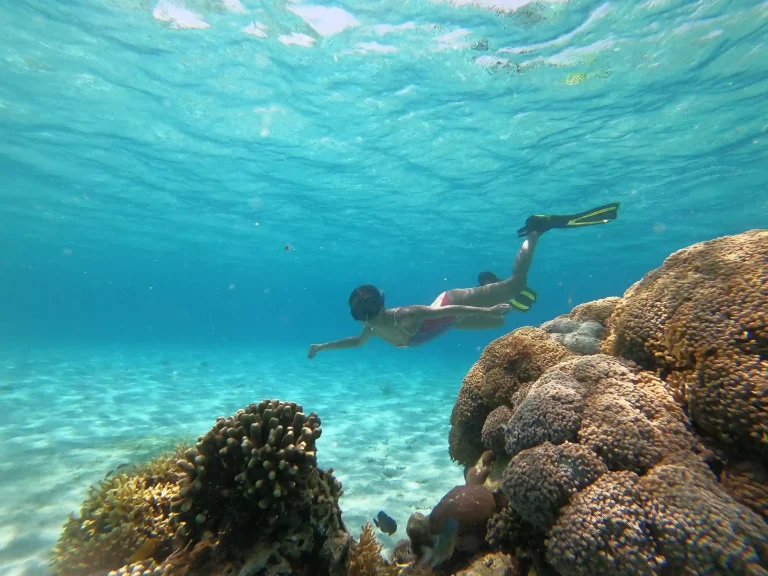
While a comprehensive governmental ban on single-use plastics across the entire Komodo National Park is not fully enforced at all levels, many `komodo liveaboard` operators and local businesses actively implement a stringent `no plastic policy on liveaboard` vessels. The local government in West Manggarai, the regency encompassing Labuan Bajo, has made strides, for example, by enacting regulations in 2019 to reduce plastic bag usage in retail. However, consistent enforcement remains a challenge, particularly in more remote areas. Within the park’s boundaries, the onus often falls on responsible tourism operators to lead by example. Most reputable `komodo liveaboard` companies provide guests with reusable water bottles or offer filtered drinking water from large dispensers, eliminating the need for single-use plastic bottles. They also encourage guests to bring their own reusable toiletries, bags, and containers. This proactive approach significantly reduces the volume of plastic waste generated; a typical 5-day `komodo liveaboard` with 12 guests can prevent 200-300 plastic bottles from entering the ocean. The success of a `no plastic policy on liveaboard` relies heavily on guest cooperation and the vessel’s commitment to proper waste segregation and disposal once back in Labuan Bajo. This collective effort is crucial for safeguarding the marine environment, where plastic debris directly harms species like sea turtles and fish, often mistaking plastic bags for jellyfish or other food sources.
How can divers minimize their impact on Komodo reefs?
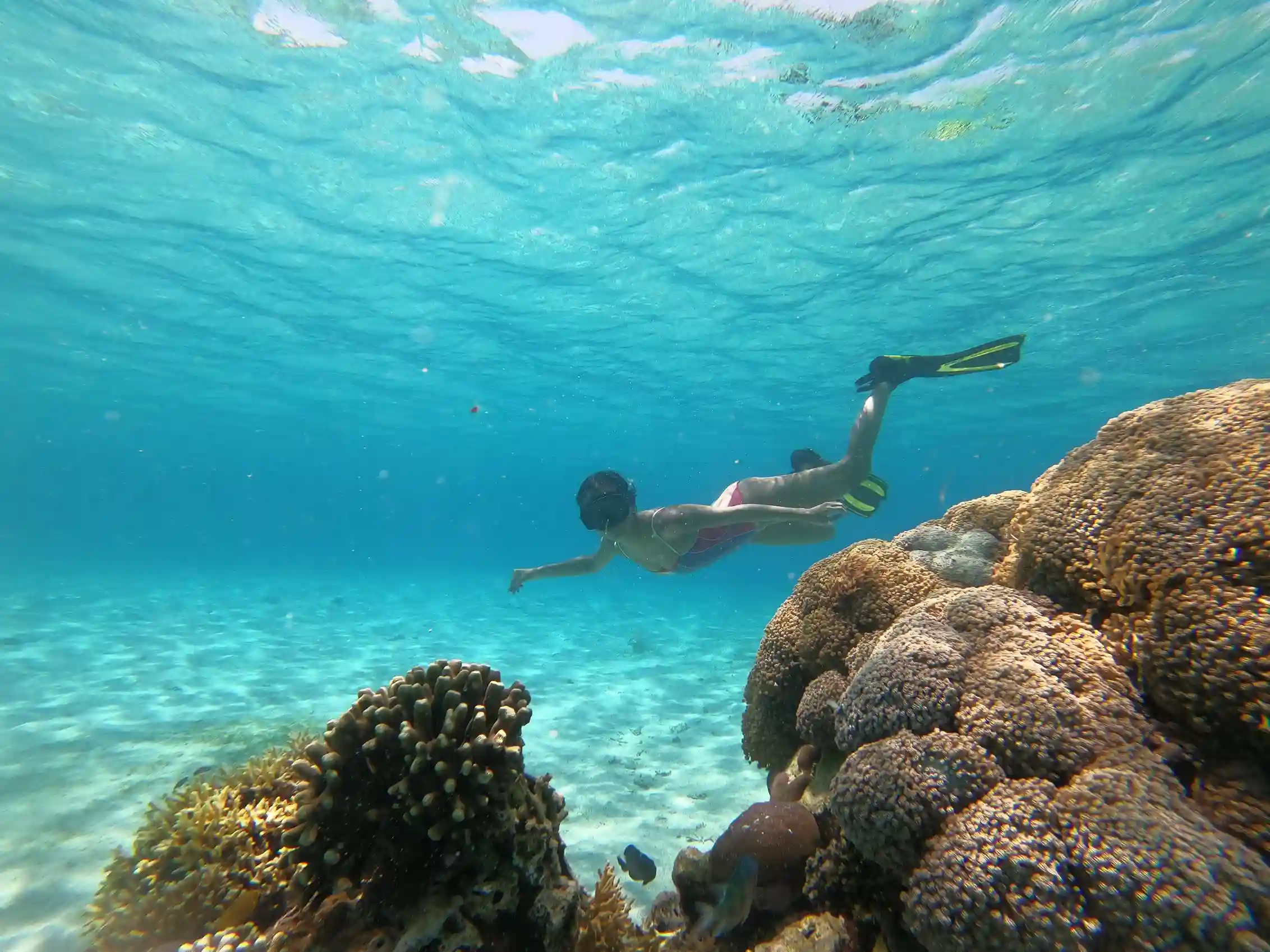
Divers minimize their impact on Komodo reefs by practicing `sustainable diving practices komodo`, maintaining impeccable buoyancy control, and strictly avoiding any contact with marine life or the fragile coral structures. The vibrant reefs, home to thousands of species, are incredibly delicate; even a light touch can damage corals that have taken decades, even centuries, to grow. Divers must maintain neutral buoyancy, ensuring they are neither too high nor too low in the water column, preventing accidental brushing against corals or stirring up sediment that can smother them. Proper finning techniques, such as frog kicks, help minimize disturbance to the seabed. It is imperative to observe marine life, including the majestic manta rays at Manta Point, from a respectful distance—typically 3-5 meters—without chasing, touching, or feeding them. These actions can alter their natural behavior and cause stress. Furthermore, using `reef safe sunscreen komodo` is non-negotiable. Chemical sunscreens containing oxybenzone, octinoxate, octocrylene, or 4-methylbenzylidene camphor have been proven to harm coral larvae, promote bleaching, and disrupt marine ecosystems. Instead, opt for mineral-based sunscreens with non-nano zinc oxide and titanium dioxide as active ingredients. Adhering to the guidance of local dive masters, who possess intimate knowledge of specific dive sites and `komodo conservation rules`, is paramount. Many dive operators in Komodo align with PADI’s Project AWARE principles, promoting responsible diving habits globally. For more detailed insights into respectful underwater exploration, consult the PADI Project AWARE guidelines.
Respecting Local Communities and Cultural Heritage
`Respecting local communities komodo` extends beyond environmental practices to encompass cultural sensitivity and economic support for the people who call this region home. The indigenous communities, particularly the Komodo people in Komodo Village (population around 2,000) and the Bajau sea nomads, have a rich history and cultural heritage intertwined with the park’s existence. When visiting villages, a respectful demeanor is essential. This includes dressing modestly, covering shoulders and knees, and always asking permission before taking photographs of individuals, especially children. `Supporting local guides labuan bajo` is a direct way to contribute to the local economy. These guides offer invaluable insights into the local culture, history, and ecology, often serving as crucial interpreters between visitors and the environment. Many `komodo liveaboard` operators partner with local vendors for supplies and services, further injecting funds into the regional economy. Purchasing traditional crafts, such as woven ikat textiles or wooden carvings, directly from local artisans provides them with a sustainable livelihood. The park fees paid by international visitors, ranging from IDR 300,000-500,000 per person per day, contribute to the park’s operational costs, including ranger salaries and infrastructure development, benefiting the local community and conservation efforts. Understanding and appreciating this cultural dimension enhances the overall experience of the Komodo archipelago, fostering a reciprocal relationship between traveler and host. For more information on Indonesia’s diverse regions, visit Indonesia.Travel.
Your journey through Komodo National Park offers profound encounters with nature and culture. By choosing a `komodo liveaboard` committed to responsible practices, you become an active participant in safeguarding this extraordinary UNESCO World Heritage Site. From conscious diving to supporting local livelihoods, every decision contributes to the park’s enduring health and vitality. To plan your responsible adventure and explore more about sustainable diving in this vibrant region, visit our Komodo Diving Guide or contact our team directly here to discuss your ideal itinerary.
Keep Reading
Uncategorized
Komodo Liveaboard from Bali: Share vs Private Guide 2026
Most travellers starting in Bali reach Komodo National Park by flying roughly one hour to Labuan Bajo and boarding a…

Uncategorized
Bali + Komodo Liveaboard Combos for 2027: The 3-Nights-Bali, 3-Nights-at-Sea Blueprint
The most dependable Bali Komodo liveaboard combo for 2027 is a six-night split: three nights on land in Bali, a…

Uncategorized
Booking a Komodo Liveaboard from Bali? Verify the Labuan Bajo Operator First
Yes — you can arrange a Komodo liveaboard from Bali, and travellers do it every day through agencies, hotel desks,…