Best Time to Visit Komodo by Liveaboard: Seasons, Weather and Marine Life
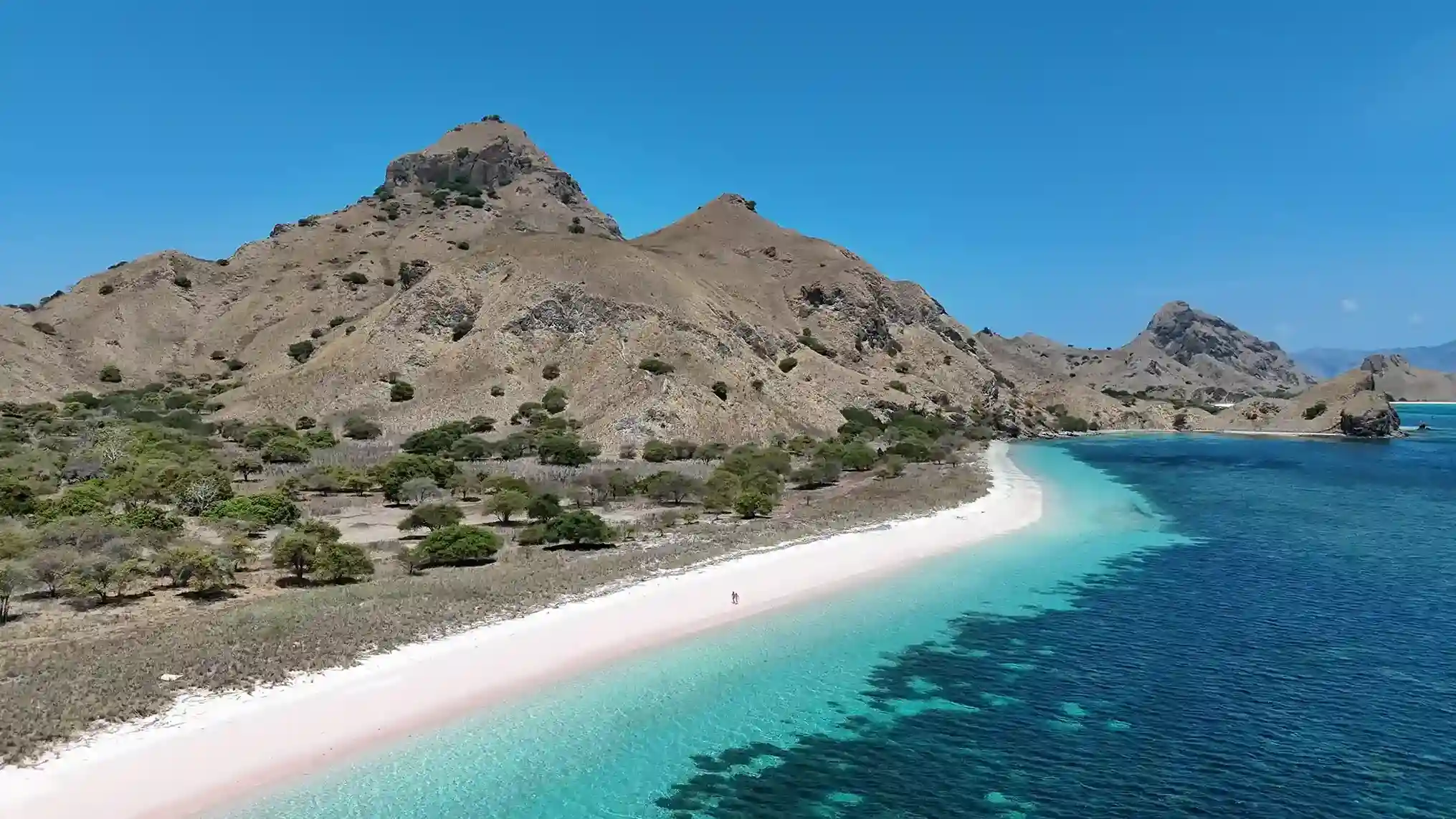
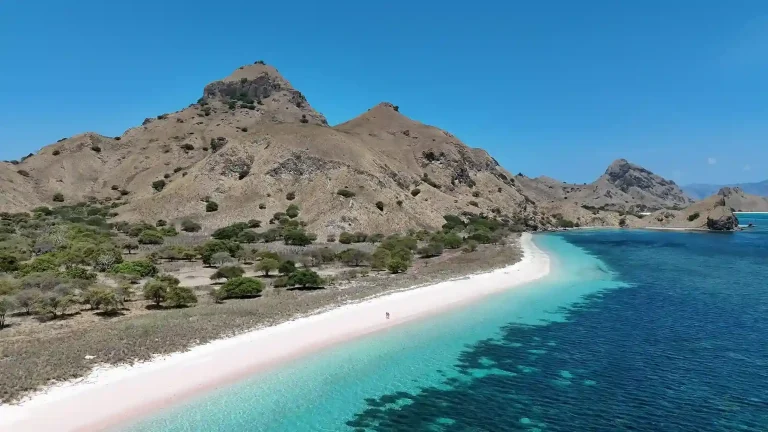
- Dry season conditions facilitate smoother sailing and clearer views of iconic landscapes like Padar Island.
- Water temperatures remain warm, consistently averaging 26-29°C (79-84°F) year-round, regardless of the season.
- While mantas are present year-round, their sightings frequently peak from September to December, extending into the early wet season.
The morning air carries the scent of the sea, a crisp invitation as your Komodo liveaboard cuts through the cerulean waters, revealing the dramatic, ancient landscapes of Komodo National Park. Below the surface, a world of vibrant coral gardens and majestic pelagic life awaits.
When is the best month to do a Komodo liveaboard?
The best time for a Komodo liveaboard, offering consistently optimal conditions, spans from April to October, aligning with the region’s dry season. During these months, the weather is predominantly sunny with minimal rainfall, providing ideal conditions for both terrestrial excursions and underwater activities. Air temperatures average 27-32°C (81-90°F), creating a comfortable environment on deck and for exploring islands. Sea conditions are typically calm, ensuring smooth sailing and easy access to remote dive sites and islands within Komodo National Park. This period is particularly favored for its superior underwater visibility, often reaching 20-30 meters (65-100 feet) at sites like Batu Bolong or Castle Rock, making it the prime Komodo diving season.
Liveaboards during this peak dry season, especially from June to August, are highly sought after. Guests can expect consistent opportunities for trekking with Komodo dragons on Rinca or Komodo Island, hiking Padar Island for its iconic three-bay panorama, and relaxing on Pink Beach (Pantai Merah). The consistent easterly winds contribute to excellent visibility, pushing plankton-rich waters to specific areas, which, while sometimes reducing visibility locally, often attracts larger marine life. A 7-day Komodo liveaboard experience during this peak period typically ranges from $2,500 to $5,000 USD (approximately IDR 39,000,000 to IDR 78,000,000) for a mid-range boat, reflecting the high demand and premium conditions. Booking well in advance, often 6-12 months, is advisable for prime Komodo liveaboard trips during this period.
Can you dive Komodo all year round?
Yes, you can absolutely dive Komodo all year round; the Komodo diving season never truly closes. While the dry season (April-October) offers the most predictable weather and calmest surface conditions, the rich marine biodiversity and consistent water temperatures of 26-29°C (79-84°F) ensure excellent diving throughout the year. Komodo National Park, recognized as a UNESCO World Heritage site, is a marine protected area where currents and upwellings continually bring nutrients, supporting a thriving ecosystem regardless of the season. Liveaboards are specifically designed to navigate the archipelago, allowing access to sheltered areas even if surface conditions are choppier in some exposed locations.
During the wet season (November-March), liveaboard operators skillfully adjust itineraries to maximize comfort and diving quality. While some surface squalls might occur, they are typically localized and short-lived, rarely impacting underwater visibility significantly or for extended periods. Visibility during the wet season generally ranges from 15-25 meters (50-82 feet), still offering superb viewing opportunities. Dive sites like Siaba Besar and Mawan, known for their abundant reef life and occasional manta sightings, remain productive. The ability to dive Komodo all year round makes it a flexible destination for certified divers, with Open Water certification being a minimum requirement, though Advanced Open Water is recommended for many of the exhilarating drift dives. For more information on the park’s marine environment, refer to the UNESCO World Heritage Centre’s page on Komodo National Park: unesco.org/en/list/609/.
What is Komodo like in rainy season?
The Komodo rainy season, generally spanning from November to March, transforms the landscape into a vibrant green, offering a distinct and often overlooked liveaboard experience. While characterized by monsoonal rains, these typically manifest as afternoon showers or short, intense downpours rather than continuous, all-day rain. Air temperatures remain warm, averaging 27-32°C (81-90°F), and the consistent water temperature of 26-29°C (79-84°F) means underwater conditions remain inviting. The primary difference is the shift in wind direction, typically from the west, which can lead to choppier surface conditions in some exposed areas, particularly in the northern reaches of Komodo National Park.
Despite the rain, the Komodo liveaboard experience remains robust. Liveaboards navigate to the more sheltered bays and islands, often focusing on the southern regions of the park like Nusa Kode, where conditions can be calmer. The “rainy season Komodo liveaboard” often means fewer tourists, translating to more intimate dive sites and quieter treks on islands like Komodo and Rinca. The lush, green hills provide a dramatic contrast to the dry season’s golden savannahs. Marine life, including the iconic Komodo dragons, remains active. Visibility, while occasionally affected by run-off or plankton blooms, still offers excellent viewing, usually between 15-25 meters (50-82 feet). This period can also offer attractive pricing, with some Komodo liveaboard trips seeing a 10-20% reduction compared to peak dry season rates, making it an appealing option for budget-conscious travellers or those seeking a more exclusive experience.
When is manta ray season in Komodo?
Manta rays are a consistent presence in Komodo National Park throughout the year, but their “season” for peak sightings is typically from September to December, often extending into January. During these months, specific conditions, including prevalent plankton blooms, create ideal feeding grounds for these majestic creatures, drawing them to well-known sites like Manta Point (Karang Makassar) and Mawan. Manta Point, located between Komodo and Padar islands, is particularly famous for its consistent aggregations of reef mantas, with divers frequently encountering multiple individuals gliding gracefully through the currents.
Beyond the peak manta ray season, these gentle giants can still be encountered at various Komodo diving sites, including Batu Bolong and even around Kanawa Island. The consistent warm waters of 26-29°C (79-84°F) and nutrient-rich currents of Komodo ensure a vibrant ecosystem that supports mantas year-round. Divers on a Komodo liveaboard can also anticipate sightings of other impressive pelagic species. Reef sharks (blacktip, whitetip), eagle rays, barracudas, and various tuna species are common. Less frequently, but still possible, are encounters with mobula rays and even whale sharks, particularly during periods of rich plankton. For a deeper understanding of manta rays and marine conservation, resources like PADI’s guide to manta rays offer valuable insights: padi.com/animals/manta-ray.
Shoulder Seasons: April, May, October, November
The shoulder seasons for a Komodo liveaboard, specifically April, May, October, and November, often present an exceptional balance of favorable conditions, fewer crowds, and potentially more attractive pricing. These months act as transitions between the peak dry and wet seasons, offering a unique blend of experiences. April and May mark the transition from the wet to the dry season; the landscapes remain lush and green from recent rains, while sea conditions steadily improve, becoming calmer and clearer. The air is fresh, and initial dry season winds begin to establish, leading to excellent visibility for Komodo diving.
Conversely, October and November bridge the gap from the dry season into the wet season. October typically retains excellent dry season weather, often considered one of the best months as tourist numbers begin to decline slightly. November sees the initial onset of the wet season rains, but these are generally sporadic and short-lived, primarily in the afternoons. Crucially, November often coincides with the start of the peak Komodo manta season, making it an excellent choice for those prioritizing manta ray encounters with fewer divers at sites like Manta Point. During these shoulder months, you might find a 5-15% reduction in Komodo liveaboard prices compared to the absolute peak dry season (June-August), allowing for a premium experience at a slightly lower cost. The combination of good weather, active marine life, and a more serene atmosphere makes shoulder season Komodo diving a compelling option.
Planning Your Komodo Liveaboard Adventure
Selecting the ideal time for your Komodo liveaboard journey hinges on your preferences for weather, crowd levels, and specific marine life encounters. Komodo National Park offers a consistently rewarding experience year-round, with each season presenting its own unique advantages. Whether you seek the reliably sunny skies and calm seas of the dry season (April-October) for extensive island hopping and crystal-clear visibility, or the quieter, lush landscapes and potential manta ray abundance of the wet season (November-March), a liveaboard remains the definitive way to explore this remote archipelago.
Typical Komodo liveaboard durations range from 3 to 10 days, allowing for comprehensive exploration of sites from Gili Lawa to Padar, Pink Beach, and the famed dragon habitats of Rinca and Komodo islands. The main gateway for all Komodo liveaboard trips is Labuan Bajo, Flores, easily accessible via a 1-hour flight from Denpasar, Bali. We recommend reviewing our Komodo Diving Guide for detailed information on dive sites and marine life, and our Komodo Liveaboard Fleet to find the vessel that best suits your style and budget. For more general travel information about Indonesia, visit indonesia.travel.
Ready to explore the best of Komodo National Park by liveaboard? Contact the team to plan your bespoke Komodo liveaboard adventure and discover the vibrant underwater world and dramatic landscapes of this extraordinary destination. Start planning your journey by visiting our homepage today.
Keep Reading
Uncategorized
Komodo Liveaboard from Bali: Share vs Private Guide 2026
Most travellers starting in Bali reach Komodo National Park by flying roughly one hour to Labuan Bajo and boarding a…
Uncategorized
Bali + Komodo Liveaboard Combos for 2027: The 3-Nights-Bali, 3-Nights-at-Sea Blueprint
The most dependable Bali Komodo liveaboard combo for 2027 is a six-night split: three nights on land in Bali, a…
Uncategorized
Booking a Komodo Liveaboard from Bali? Verify the Labuan Bajo Operator First
Yes — you can arrange a Komodo liveaboard from Bali, and travellers do it every day through agencies, hotel desks,…