Komodo Liveaboard Photography Guide: Drones, Underwater and Sunrise Shots
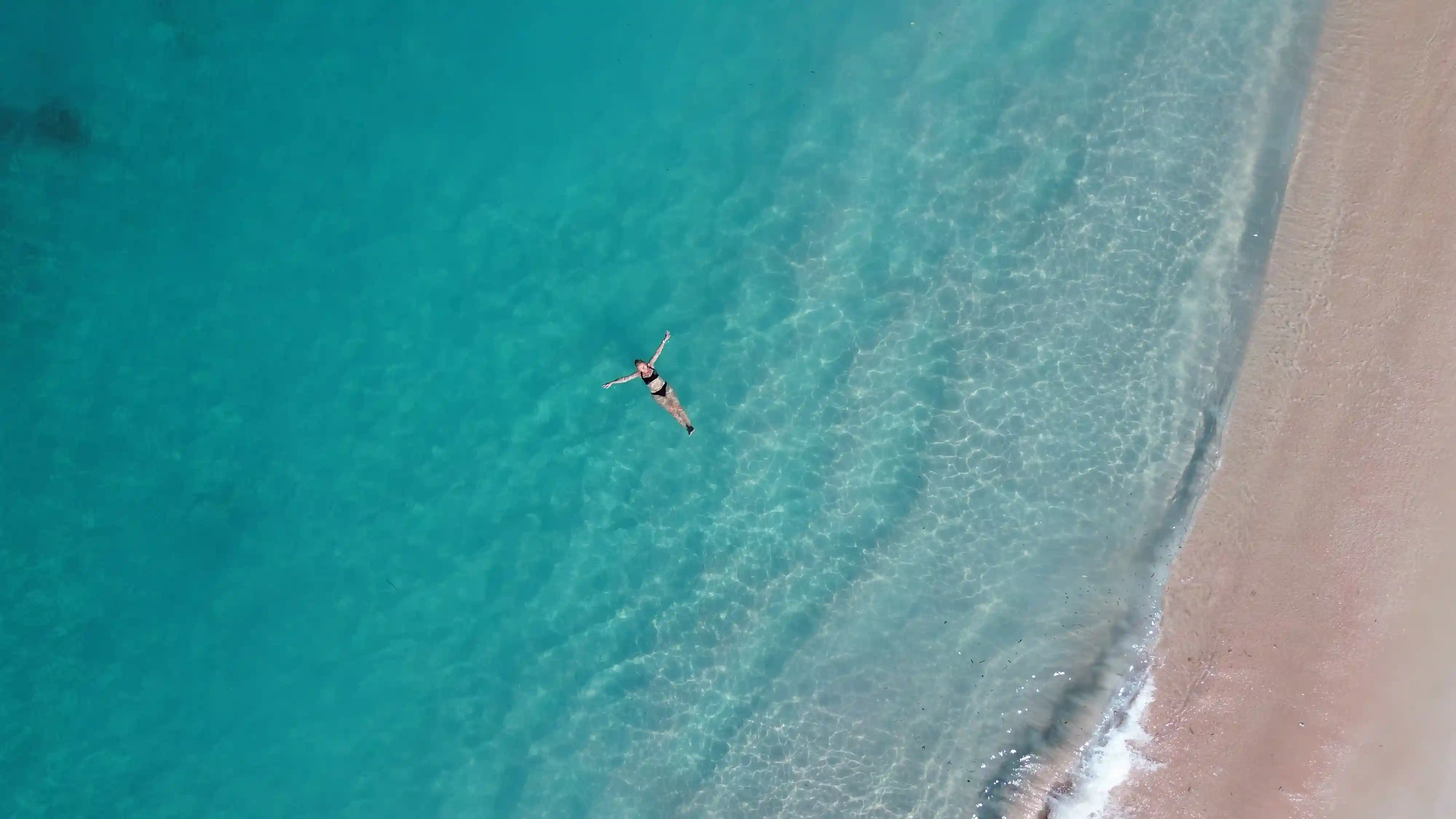
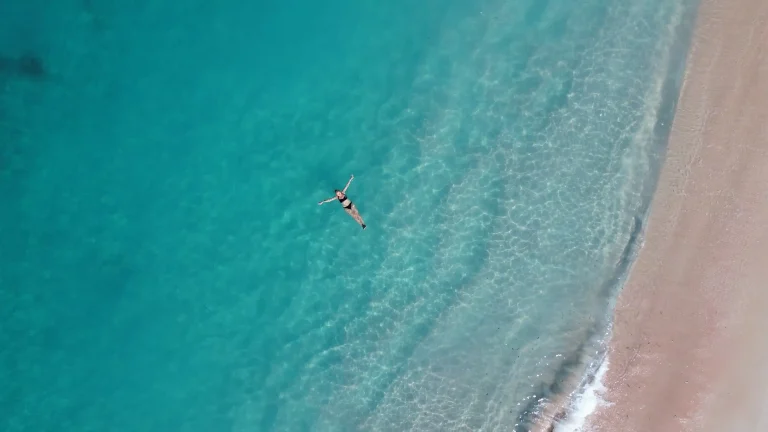
- Drone use within Komodo National Park is highly restricted, demanding prior permits and careful adherence to designated zones.
- Underwater photography thrives on the archipelago’s diverse reefs, supporting both wide-angle reefscapes and intricate macro subjects.
- Optimal gear protection on a komodo liveaboard involves robust waterproofing, shock-resistant cases, and diligent maintenance routines.
The light in Komodo changes constantly, a dynamic interplay across volcanic islands and turquoise seas, inviting photographers to capture its fleeting beauty from above, below, and at the horizon.
Can I fly a drone in Komodo National Park?
Flying a drone within Komodo National Park is generally restricted and requires specific permits, a critical consideration for any photographer planning aerial shots. The park, a UNESCO World Heritage site since 1991, prioritizes conservation and minimizing disturbance to its unique ecosystem and wildlife. Official regulations from the Ministry of Environment and Forestry dictate that commercial or special drone operations necessitate a permit obtained well in advance, often through a local agency or directly with the park authority in Labuan Bajo. These permits are not trivial; they can cost upwards of IDR 1,000,000 to 2,000,000 (approximately USD 65-130) for a single-day, limited-area operation, in addition to standard park entrance fees. Without a permit, drone use risks confiscation and significant fines. Most recreational drone use by private individuals is prohibited within the core park boundaries, including over islands like Komodo, Rinca, and Padar. However, some areas just outside the strict park limits, accessible via a komodo liveaboard, might allow drone flights with permission from the specific property or local community, provided no park regulations are violated. Always consult your liveaboard operator or a local guide for the most current `drone rules Komodo National Park` before bringing your equipment. Responsible drone operation, when permitted, involves flying at safe altitudes, maintaining visual line of sight, and respecting wildlife and other visitors, ensuring your focus remains on capturing the archipelago’s grandeur without compromising its integrity.
What are the best photo spots in Komodo?
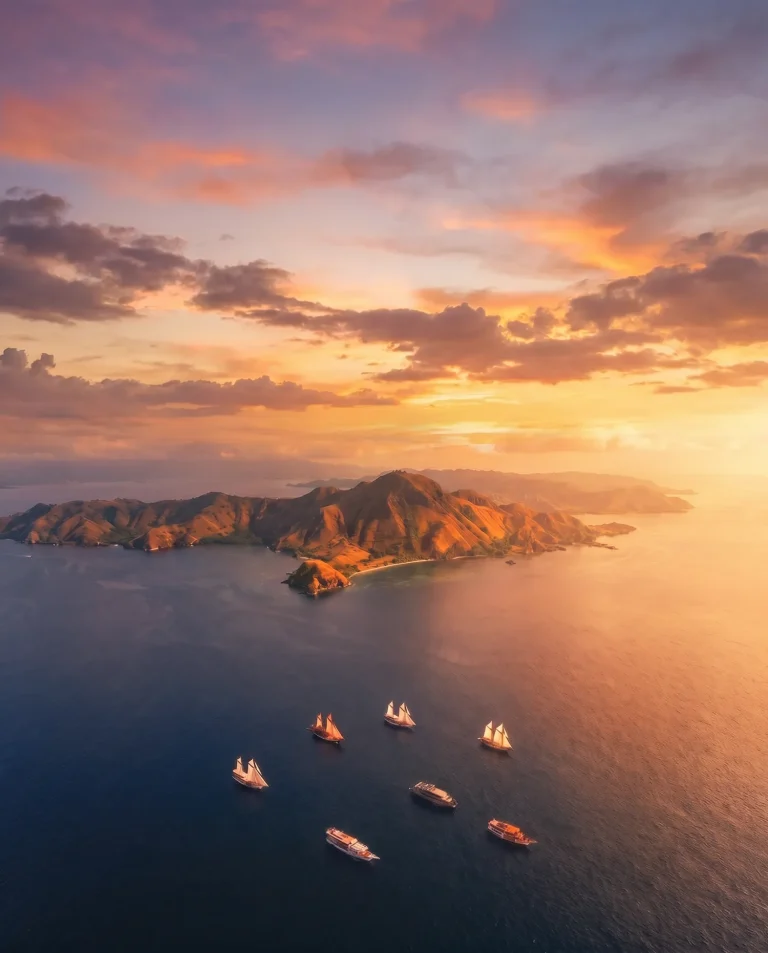
Komodo offers a diverse array of `best photo spots Padar and Gili Lawa`, alongside unique coastal and underwater locations, each presenting distinct photographic opportunities for visitors on a komodo liveaboard. Padar Island is undeniably iconic, renowned for its panoramic viewpoint where three crescent beaches—white, black, and pink—converge against rolling savannah hills. The ascent involves approximately 800 steps, a 30-40 minute hike typically undertaken at dawn for `sunrise and sunset Komodo viewpoints`. From the summit, the golden hour light illuminates the landscape with exceptional intensity. Gili Lawa Darat, located north of Komodo Island, provides a similar, equally dramatic vista but with fewer crowds, requiring a shorter 20-minute hike to its peak. Both offer quintessential `Komodo liveaboard photography tips` for wide-angle landscape shots, capturing the vastness of the archipelago. Pink Beach (Pantai Merah) is another essential stop, famous for its unique reddish sand, a result of microscopic foraminifera. Here, the contrast of the pink sand with the turquoise water creates compelling `Pink Beach Instagram spots`, ideal for both above-water and shallow underwater photography. For wildlife, Komodo and Rinca islands provide opportunities to photograph the Komodo dragon (Varanus komodoensis), the world’s largest lizard, under the guidance of park rangers. Manta Point, while primarily an underwater site, can also offer aerial photographic chances from a boat or, if permitted, a drone, capturing the graceful movements of Manta alfredi with wingspans often exceeding 3 meters. The serene waters around Kanawa Island, with its pristine white sands and clear shallows, are perfect for capturing tranquil beach scenes and vibrant reef details close to the surface.
How do you protect camera gear on a liveaboard?
Protecting camera gear on a komodo liveaboard is paramount, given the marine environment’s inherent challenges from saltwater, humidity, and constant motion. The most critical defense is robust waterproofing. For underwater cameras and housings, ensure all O-rings are meticulously cleaned, lubricated, and free of debris before every dive. Regularly check housing latches and ports for any signs of wear. Beyond underwater specific protection, employing dry bags or waterproof cases (such as Pelican or Nanuk cases with IP67 or IP68 ratings) for all sensitive electronics is non-negotiable, even when stored inside your cabin. These cases offer not only water resistance but also crucial shock absorption against bumps and drops that can occur on a moving vessel. Within these cases, use desiccant packs like silica gel to combat humidity, especially in tropical climates where condensation can damage internal electronics. Microfiber cloths are essential for cleaning lenses and screens, while lens pens help remove smudges without scratching. Designate a specific, secure area for camera assembly, charging, and storage, often a dedicated camera table or charging station provided by `photo friendly Komodo liveaboard` operators. After each dive, rinse underwater housings thoroughly with fresh water in a dedicated camera rinse tank, avoiding direct sunlight during the rinse and drying process. When transporting gear between the liveaboard and tender boats, use robust waterproof bags or secure camera caddies. Maintaining vigilance and a routine of careful handling are the best `camera gear for Komodo diving` protection strategies.
Mastering Underwater Photography in Komodo
Komodo’s vibrant marine ecosystems establish it as a premier destination for underwater photography, accommodating both sweeping wide-angle reefscapes and intricate macro subjects, requiring specific `camera gear for Komodo diving` and refined techniques. Visibility often extends 20-30 meters in sites like Batu Bolong or Castle Rock, where strong currents bring nutrient-rich waters that support immense biodiversity. Wide-angle photographers can capture schools of fusiliers, trevallies, and snappers, alongside reef sharks and occasional eagle rays, often against dramatic coral backdrops. Manta Point, true to its name, offers consistent encounters with Manta alfredi, presenting exceptional opportunities for capturing these majestic creatures in their natural feeding grounds.
Is Komodo good for underwater macro photography?
Yes, Komodo excels for underwater macro photography, providing a diverse canvas for enthusiasts. The sheltered bays and slower current areas, such as Wainilu or Siaba Kecil, are rich in cryptic critters. Photographers frequently discover an array of nudibranchs (over 400 species documented in the Indo-Pacific), pygmy seahorses (Hippocampus bargibanti, typically 1-2cm in size), frogfish, pipefish, and various crustaceans camouflaged among the corals and rubble. To capture these minute subjects, a dedicated macro lens (e.g., 60mm or 100/105mm), powerful strobes, and often a snoot for precise lighting control are indispensable. Mastering buoyancy is critical to avoid disturbing fragile habitats and to maintain stable positioning for sharp focus. `Underwater photography Komodo` demands patience and a keen eye, often rewarding diligent photographers with images of creatures rarely seen elsewhere. Many `photo friendly Komodo liveaboard` vessels offer dedicated camera rinse tanks, individual charging stations, and spacious camera tables, catering directly to the needs of serious underwater photographers.
Sunrise, Sunset, and Astrophotography from Your Komodo Liveaboard
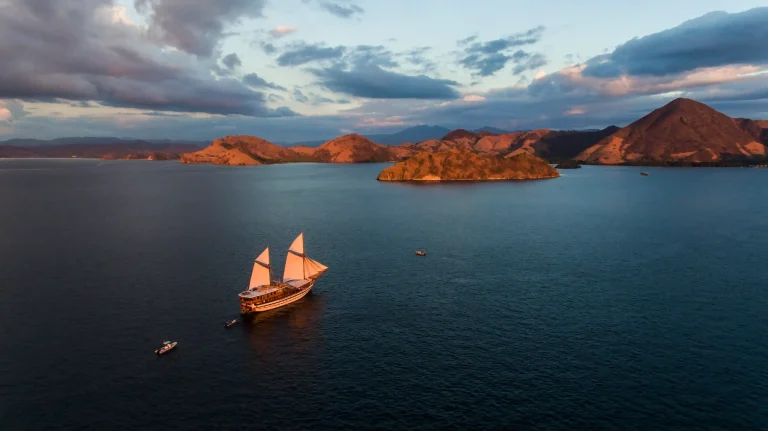
A komodo liveaboard provides an exceptional mobile platform for capturing the dramatic sunrises, fiery sunsets, and star-filled night skies that define the Komodo archipelago, offering unique `sunrise and sunset Komodo viewpoints`. Each morning, as the sun ascends, the deck of your liveaboard transforms into a prime vantage point. Early risers are rewarded with skies painted in soft pastels and vibrant oranges, illuminating the silhouetted islands. Padar and Gili Lawa, when hiked at dawn, offer an even more immersive experience, with the first light washing over the iconic landscapes. Average sunrise in Komodo occurs around 5:30 AM to 6:00 AM, depending on the season, providing a 30-minute window of golden light ideal for wide-angle landscape photography.
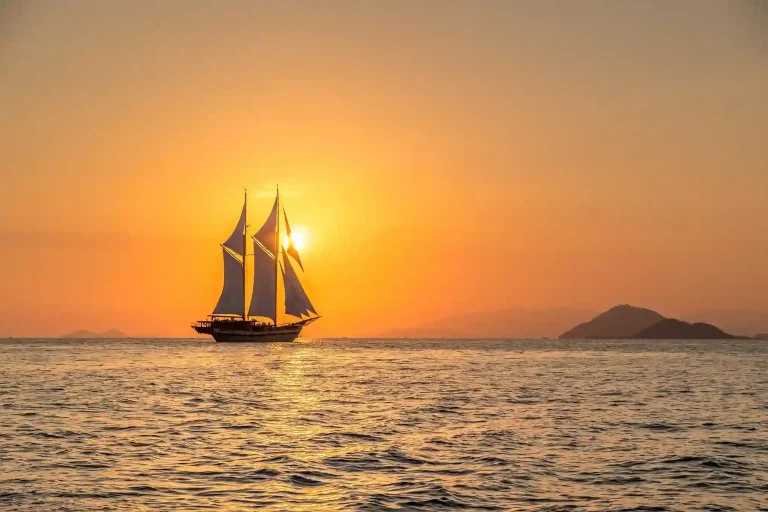
As day transitions to night, the sunsets in Komodo are equally spectacular. The sun dips below the horizon, often creating a dazzling display of reds, purples, and blues over the tranquil waters. These moments are best captured from the deck, experimenting with silhouettes of the boat or nearby islands. For `Komodo liveaboard photography tips` during these hours, a tripod is essential for stability, even on a gently swaying boat. Use a remote shutter release to minimize camera shake. Manual settings for ISO, aperture, and shutter speed allow for greater control over exposure and depth of field. Once darkness falls, Komodo’s minimal light pollution makes it an exceptional location for astrophotography. The Milky Way often stretches across the sky with striking clarity. For astrophotography, a wide-angle lens (14-24mm) with a fast aperture (f/2.8 or wider) is recommended. Long exposures (20-30 seconds) at high ISO settings (1600-6400) will capture the intricate details of the night sky, transforming the liveaboard deck into a floating observatory.
Ready to capture your own definitive images of Komodo’s exceptional beauty? Explore our `Komodo liveaboard` itineraries and discover the perfect journey to hone your photographic skills. Contact the team today to plan your adventure and ensure a `photo friendly Komodo liveaboard` experience tailored to your passion.
Learn more about Komodo National Park on Wikipedia.
Discover Komodo’s allure at Indonesia.travel.
Explore Komodo National Park’s UNESCO status.
Return to our Komodo Liveaboard homepage for more information.
Read our comprehensive Komodo Diving Guide to plan your underwater adventures.
Connect with our team to customize your Komodo photography journey.
Keep Reading
Uncategorized
Komodo Liveaboard from Bali: Share vs Private Guide 2026
Most travellers starting in Bali reach Komodo National Park by flying roughly one hour to Labuan Bajo and boarding a…
Uncategorized
Bali + Komodo Liveaboard Combos for 2027: The 3-Nights-Bali, 3-Nights-at-Sea Blueprint
The most dependable Bali Komodo liveaboard combo for 2027 is a six-night split: three nights on land in Bali, a…
Uncategorized
Booking a Komodo Liveaboard from Bali? Verify the Labuan Bajo Operator First
Yes — you can arrange a Komodo liveaboard from Bali, and travellers do it every day through agencies, hotel desks,…