What Dive Level Do You Need for a Komodo Liveaboard?
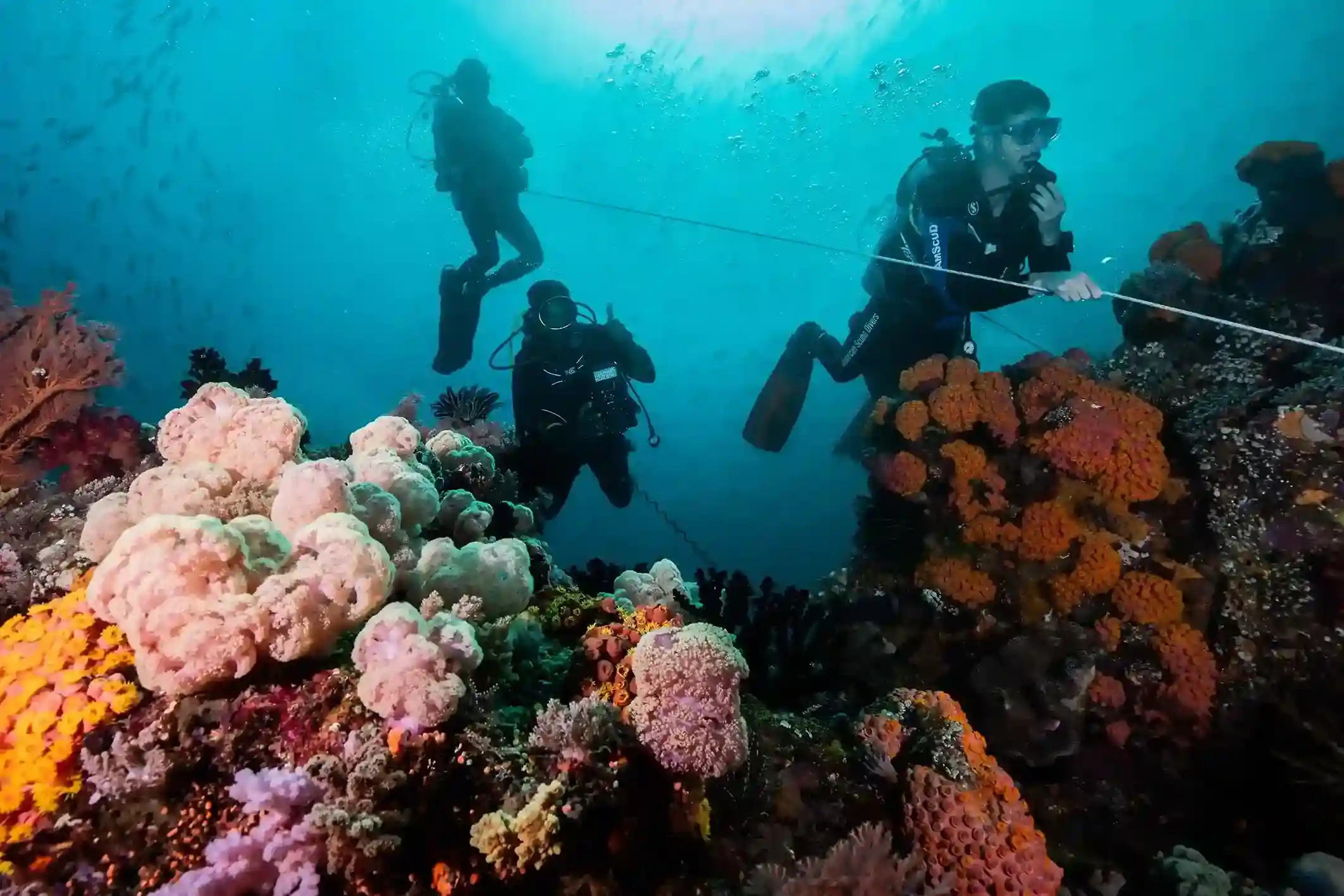
- Many Komodo dive sites offer shallower sections suitable for Open Water divers, typically 10-18 meters.
- Strong currents at specific Komodo sites, such as Manta Point or Batu Bolong, often require advanced skills and experience.
- An Advanced Open Water certification provides greater flexibility, allowing access to deeper reefs and a wider range of dive conditions.
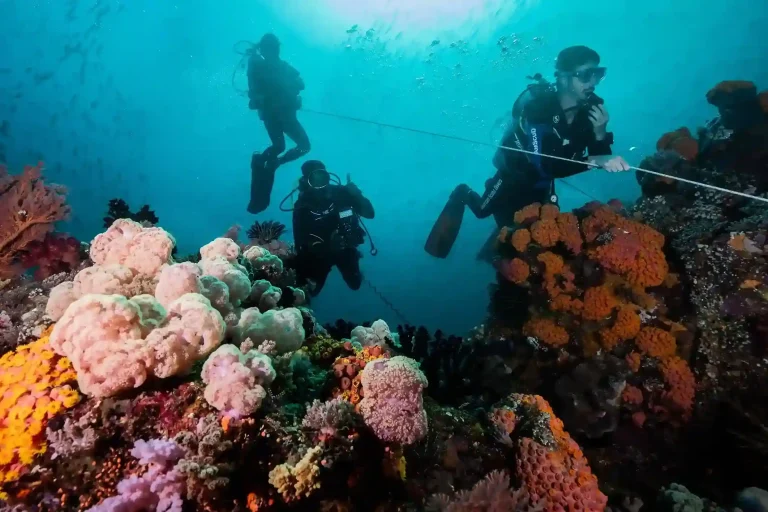
The engine hums a low thrum against the hull, a gentle rocking accompanying the first light that spills across the deck, painting the Komodo archipelago in soft, pre-dawn hues. Below the surface, an entirely different world awaits, vibrant and alive, a realm where reef sharks patrol and manta rays glide.
Can Open Water divers join a Komodo liveaboard?
Yes, Open Water certified divers are welcome on Komodo liveaboards, though specific site access and overall enjoyment depend significantly on individual comfort, recent dive experience, and prevailing conditions. A PADI Open Water Diver certification, or an equivalent from another recognized agency like SSI or CMAS, is the minimum certification for Komodo liveaboard trips. This certification qualifies you to dive to a maximum depth of 18 meters (60 feet). Many dive sites within Komodo National Park, a UNESCO World Heritage site, feature expansive reef systems that begin at shallower depths, making them accessible and enjoyable for Open Water divers. For instance, parts of sites like Siaba Besar or Sebayur Kecil offer gentle currents and abundant marine life in the 10-15 meter range, perfect for exploring vibrant coral gardens and encountering reef fish.
However, the reputation of Komodo diving often precedes it, largely due to its strong and unpredictable currents. While many operators cater to Open Water divers, they typically maintain a conservative approach, prioritizing safety. This means that if conditions are challenging at a particular site, or if a dive master assesses a diver’s experience level as insufficient for the specific demands of a stronger current area, an Open Water diver might be advised to sit out a dive or stay in a more sheltered section. A mandatory check dive Komodo liveaboard operators typically conduct on the first day allows dive staff to assess each diver’s comfort and skill level in real-world conditions. This initial dive, often in a calmer area like near Kanawa Island, helps ensure everyone is appropriately placed for subsequent dives. Water temperatures generally range from 26-29°C, and visibility often exceeds 20 meters, offering clear views of the rich biodiversity.
How many logged dives should I have before diving Komodo?
While there is no strict minimum number of logged dives required by most operators for a Komodo liveaboard, 30-50 logged dives are a good benchmark for comfort and confidence in Komodo’s dynamic waters, particularly when considering the potential for strong currents and experience Komodo diving demands. Divers with fewer than 20-30 dives might find themselves more challenged by the varied conditions. The experience of managing buoyancy in strong currents, understanding drift diving techniques, and maintaining situational awareness in a busy reef environment comes with practice. For example, sites like Batu Bolong or Castle Rock are renowned for their incredible biomass and pelagic encounters – grey reef sharks, giant trevally, and schooling barracuda are common – but they are also known for powerful downcurrents and washing machine-like conditions that demand precise control and quick decision-making. These sites are typically reserved for more experienced divers, often those with an Advanced Open Water certification and a significant number of dives.
The number of dives needed for Komodo also relates to how recently you have been diving. If your last dive was over a year ago, regardless of your total logged dives, most liveaboard operators will require a refresher course. This can often be arranged in Labuan Bajo before boarding your komodo liveaboard, costing approximately USD 80-120 (IDR 1.2-1.8 million) for a half-day session. Such a course covers basic skills, equipment setup, and emergency procedures, ensuring you are comfortable and competent before heading into the National Park. Being comfortable with your gear and confident in your basic skills allows you to focus on the environment and the dive itself, rather than struggling with fundamentals. A typical Komodo liveaboard offers 3-4 dives per day over 3-7 nights, accumulating a significant number of dives in a short period, which quickly builds experience.
Is Komodo suitable for beginner divers?
Komodo offers suitable sites for beginner divers, but its reputation for strong currents means that comfort and a recent refresher are key for new divers seeking a komodo liveaboard for beginners experience. While not all of Komodo National Park is defined by raging currents, many of its most celebrated sites are. For example, sheltered bays around Padar or Rinca islands, or specific areas like Wainilu, provide excellent conditions for newer divers, featuring healthy soft corals and macro life such such as pygmy seahorses and nudibranchs. These calmer zones allow beginners to practice buoyancy and finning techniques without the added stress of challenging water movement. Visibility can often reach 25-30 meters in these areas, making for clear, unhurried exploration.
However, a diver with limited experience must be honest about their comfort level. It is crucial to communicate any anxieties or inexperience to the dive crew during the initial briefing. Reputable liveaboard operators will tailor dive plans where possible, matching divers to appropriate sites or offering alternative activities if a particular dive is deemed too advanced. For a beginner diver, booking a komodo liveaboard specifically advertising “beginner-friendly” itineraries or inquiring about the average experience level of guests on a particular trip can be beneficial. Consider completing a refresher course in Labuan Bajo if your last dive was more than six months prior. This investment of approximately USD 80-120 (IDR 1.2-1.8 million) ensures you are reacquainted with your gear and skills, significantly boosting confidence for your initial dives in the park. The vast marine protected area of Komodo, spanning over 1,733 square kilometers, offers a diverse range of conditions, so finding suitable spots is always possible.
Can I do my Advanced course on a Komodo liveaboard?
Absolutely, completing your PADI Advanced Open Water (AOW) course on a Komodo liveaboard is an excellent way to enhance skills and maximize dive experiences, directly applying new knowledge in one of the world’s premier dive destinations. The AOW course typically involves five adventure dives, including a Deep Dive and an Underwater Navigation Dive, along with three elective dives such as Drift Diving, Peak Performance Buoyancy, or Underwater Photography. Imagine navigating a vibrant reef at 25 meters, practicing drift diving techniques as you glide effortlessly with the Komodo currents, or refining your buoyancy over a pristine coral garden. This practical application within the Komodo National Park environment makes for a highly effective and memorable learning experience.
Many komodo liveaboard operators offer the AOW course as an add-on to your trip. The cost typically ranges from USD 350-500 (IDR 5.2-7.5 million), in addition to your liveaboard fare, which covers instructor fees, materials, and certification. This option transforms your trip into a skill-building adventure, expanding your depth limits to 30 meters (100 feet) and equipping you with valuable techniques for more challenging conditions. For example, a drift dive at Manta Point, where giant oceanic manta rays (Manta birostris) congregate year-round, becomes a thrilling classroom. The ability to comfortably manage drift diving is a significant advantage for komodo diving, as many of the best sites are current-dependent. Completing your AOW course here not only broadens your access to more dive sites but also significantly boosts your confidence, making future dives more enjoyable and safer.
Navigating Komodo’s Currents: Experience and Adaptability
Understanding and adapting to Komodo’s currents is paramount for any diver, regardless of certification level, making experience and adaptability key for Komodo diving. The unique geography of Komodo National Park, particularly the narrow straits between islands like Komodo and Rinca, funnels vast volumes of water between the Indian Ocean and the Flores Sea, creating powerful tidal flows. These currents, often reaching speeds of 2-4 knots (3.7-7.4 km/h), are responsible for the nutrient-rich waters that sustain the park’s incredible biodiversity, from over 1,000 species of fish to 260 species of reef-building corals. While these currents can be challenging, they are also what attract pelagic life like sharks, tuna, and the famous Komodo manta rays.
For those with an advanced open water Komodo recommendation, the techniques learned – particularly drift diving and proper current entry/exit procedures – become invaluable. Dive guides on Komodo liveaboards are experts at reading the currents, planning dives around slack tides, or utilizing currents for exhilarating drift dives. A common strategy involves negative entry, where divers descend quickly to the reef and use reef hooks for observation in strong currents. This requires excellent buoyancy control, swift equalization, and comfort with rapid descents. The check dive Komodo liveaboard operators conduct on the first day serves as a crucial assessment. This allows the dive team to observe your current handling skills, finning technique, and air consumption, ensuring you are adequately prepared for the subsequent dives. If a diver struggles during this initial assessment, the dive staff might recommend sticking to calmer sites or even suggest a refresher course if one hasn’t been completed recently.
Planning Your Komodo Liveaboard: Essential Considerations
Planning your Komodo liveaboard requires thoughtful consideration of your dive level, experience, and the type of adventure you seek. While the minimum certification for Komodo liveaboard is Open Water, an Advanced Open Water certification provides far greater flexibility, allowing you to access a broader range of sites and comfortably handle diverse conditions. If you’re an Open Water diver, opt for liveaboards that explicitly state they cater to all levels and communicate your experience honestly with the booking team. Many operators offer varying itineraries, some focusing on calmer sites and others targeting adrenaline-pumping current dives. A 4-day/3-night Komodo liveaboard trip might cost anywhere from USD 500-1500 (IDR 7.5-22.5 million) depending on boat luxury and inclusions, with longer trips costing proportionally more.
For those with fewer than 30 logged dives or a significant break from diving, consider arriving in Labuan Bajo a day or two early to complete a refresher course. This small investment, typically USD 80-120 (IDR 1.2-1.8 million), can significantly enhance your safety and enjoyment. Research potential Komodo dive sites beforehand; resources like the Komodo National Park Wikipedia page or our Komodo dive sites guide offer excellent overviews. Understand that Komodo’s charm lies in its wild, untamed nature, which includes its unpredictable currents. Being prepared and appropriately certified ensures you can fully appreciate the marine wonders, from the vibrant soft corals of Pink Beach (Pantai Merah) to the majestic manta rays of Manta Point. For more details on various trip options, explore our Komodo liveaboard trips.
The vibrant underwater world of Komodo awaits. Whether you are an Open Water diver ready for a new challenge or an Advanced Open Water diver seeking thrilling current dives, preparation is key. Communicate your experience, consider an Advanced course, and embrace the exceptional biodiversity. To plan your perfect Komodo adventure, contact the team at Bali Komodo Liveaboard or visit our homepage for more information.
Keep Reading
Uncategorized
Komodo Liveaboard from Bali: Share vs Private Guide 2026
Most travellers starting in Bali reach Komodo National Park by flying roughly one hour to Labuan Bajo and boarding a…
Uncategorized
Bali + Komodo Liveaboard Combos for 2027: The 3-Nights-Bali, 3-Nights-at-Sea Blueprint
The most dependable Bali Komodo liveaboard combo for 2027 is a six-night split: three nights on land in Bali, a…
Uncategorized
Booking a Komodo Liveaboard from Bali? Verify the Labuan Bajo Operator First
Yes — you can arrange a Komodo liveaboard from Bali, and travellers do it every day through agencies, hotel desks,…