Komodo Liveaboard Packing List: What to Bring (and Leave at Home)
- Prioritize a 3mm wetsuit, even in warm waters, for multiple daily dives and sun protection.
- Leave your drone at home unless explicit park permits are secured, as regulations are stringent.
- Comprehensive travel insurance, including dive coverage, is non-negotiable for safety and peace of mind in this remote region.
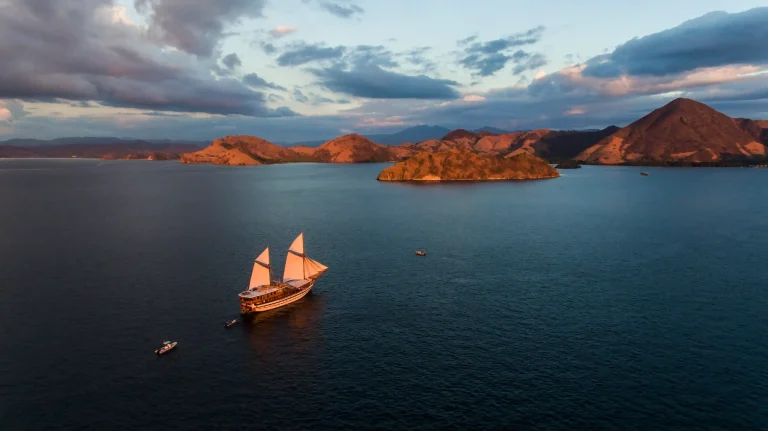
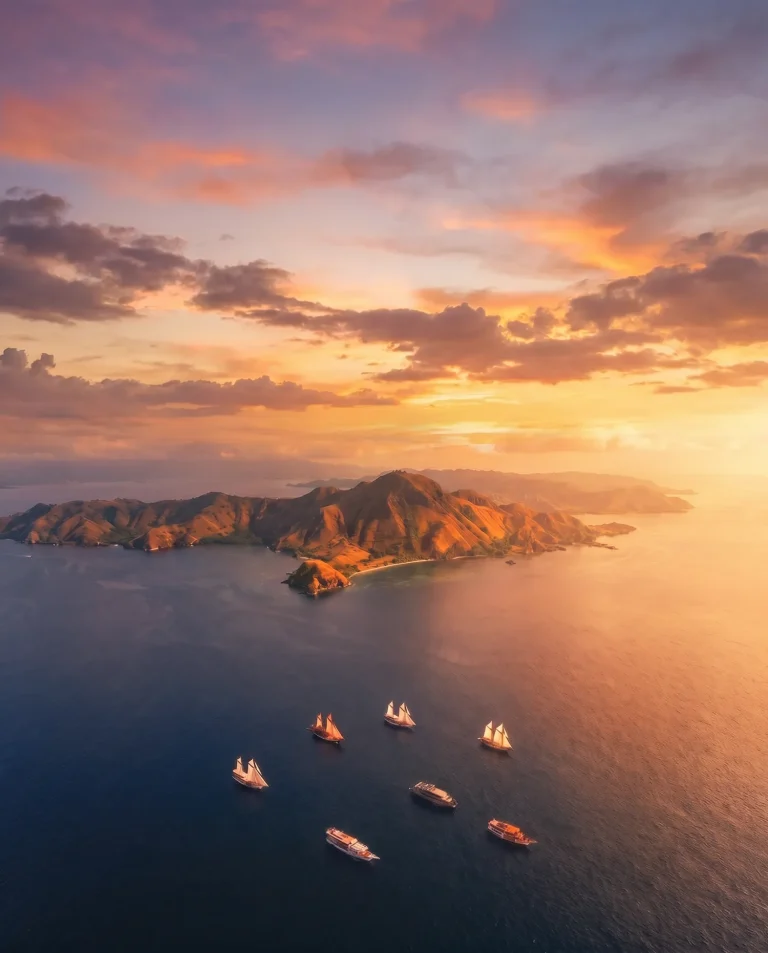
The morning sun, already high, warms the deck as your liveaboard cruises past volcanic islands. Below the surface, the vibrant coral gardens and swift currents of Komodo await. Preparing for this journey means understanding the unique demands of a week at sea amidst one of the world’s richest biodiverse regions.
What should I pack for a Komodo liveaboard trip? Your Essential Gear
Packing for a Komodo liveaboard trip means balancing functionality with the limited space aboard a vessel, focusing on essentials that support both your diving adventures and island explorations. Your dive gear forms the core of your packing list. For certified divers, bringing your own mask, fins, and dive computer is highly recommended for comfort and familiarity; a good quality mask can make all the difference during a dive at Manta Point or Batu Bolong. While buoyancy control devices (BCDs) and regulators are available for rent on most liveaboards for approximately IDR 400,000-700,000 per day (roughly $25-45 USD for a full set including wetsuit), many divers prefer their own for optimal performance. Remember your certification card (PADI, SSI, or equivalent) – a physical card or digital proof is required for all dives within Komodo National Park, a UNESCO World Heritage site since 1991. A surface marker buoy (SMB) and whistle are critical safety items, particularly in the strong currents often found around Gili Lawa or Castle Rock, where drift dives are common. Consider a reef hook for observing marine life in current-swept areas without damaging corals, but use it sparingly and responsibly on dead rock.
Beyond the underwater realm, your clothing choices should be practical and light. Think quick-dry shorts, t-shirts, and multiple swimwear options. A light sarong or cover-up is perfect for transitioning from a swim to relaxing on deck. Evenings are casual, so one or two slightly nicer, breathable outfits suffice. The equatorial sun is intense; a wide-brimmed hat, polarized sunglasses, and a long-sleeved rash guard are indispensable for protection during surface intervals and island excursions to places like Padar Island. For footwear, flip-flops or sandals are ideal for the boat, but sturdy reef shoes or comfortable walking sandals are necessary for land adventures, such as the hike up Padar for panoramic views or exploring the unique Pink Beach (Pantai Merah). Pack a small, waterproof dry bag for protecting electronics and valuables during dinghy transfers to shore. Essential personal toiletries should be biodegradable to minimize environmental impact, along with insect repellent for evenings on deck or in port at Labuan Bajo. Don’t forget any personal medications, a basic first-aid kit, and a reusable water bottle to stay hydrated.
Do I need a full wetsuit in Komodo? Understanding Water Temperatures
The question of wetsuit thickness for Komodo diving is common, and while the waters are generally warm, a full wetsuit is highly recommended for most divers. Water temperatures in Komodo National Park typically range from 26-29°C (79-84°F) in the central and southern regions, and can reach 28-30°C (82-86°F) in the northern dive sites. However, these temperatures can fluctuate, especially in areas with strong upwellings or thermoclines, which are common at sites like Manta Point where cooler, nutrient-rich water attracts large pelagics. More importantly, divers typically complete 3-4 dives per day on a Komodo liveaboard trip, often over 5-7 days. Even in seemingly warm water, repeated exposure can lead to a gradual chilling of the body, making a full wetsuit invaluable for maintaining core temperature and comfort throughout your trip.
A 3mm full wetsuit is generally considered the best wetsuit for Komodo, offering a good balance of thermal protection without restricting movement. It also provides excellent defense against minor stings from jellyfish or other marine irritants, and offers abrasion protection against accidental contact with rocks or boat ladders. Some divers, particularly those who get cold easily or plan extensive time underwater, might opt for a 5mm shorty or even a 5mm full suit. For those who typically run warm, a 2-3mm shorty combined with a rash guard might suffice, but the full-body coverage of a 3mm suit is often preferred for overall comfort and protection. Liveaboards often have wetsuits available for rent; a 3mm full wetsuit rental typically costs around IDR 75,000-100,000 per day (approximately $5-7 USD), which can add up over a multi-day trip. Investing in your own, if you dive frequently, can range from $150-300 USD for a quality suit. Remember that many dive sites, such as those requiring Advanced Open Water certification, involve deeper profiles and longer bottom times, increasing the need for adequate thermal protection. For more details on diving conditions, consult our Komodo Diving Guide.
Can I bring a drone on a Komodo liveaboard? Navigating Park Regulations
Bringing a drone on a Komodo liveaboard requires careful consideration and adherence to the strict regulations enforced within Komodo National Park. The park, a designated UNESCO World Heritage site and home to the Komodo dragon, maintains rigorous rules regarding drone operation to protect its unique wildlife and pristine landscapes. In principle, recreational drone use by visitors is generally prohibited without specific permits issued by the Balai Taman Nasional Komodo (Komodo National Park Authority). These permits are notoriously difficult to obtain for individual tourists and typically require extensive applications, often reserved for professional film crews or scientific research with specific, pre-approved objectives.
Attempting to fly a drone without the proper authorization can lead to severe consequences, including confiscation of the equipment and substantial fines, which can range up to IDR 50,000,000 (approximately $3,500 USD) or more, depending on the infraction. The park’s primary focus is on conservation and minimizing human impact on its fragile ecosystem. Drone noise and presence can disturb wildlife, particularly the sensitive Komodo dragons and various bird species. Furthermore, many liveaboard operators, to ensure compliance with park regulations and avoid complications, have a blanket policy prohibiting drone use by guests on their vessels. It is always best practice to contact your specific liveaboard operator well in advance if you have intentions of bringing a drone. Given the challenges and risks, the general advice is to leave your drone at home to avoid potential issues and fully appreciate the natural beauty of Komodo without distraction. You can learn more about the park’s status and regulations on the UNESCO World Heritage Centre website.
Is travel insurance required for Komodo liveaboards? Protecting Your Adventure
Yes, travel insurance is not merely recommended but often a mandatory requirement for booking a Komodo liveaboard trip. The remote nature of Komodo National Park, coupled with the inherent risks associated with diving and adventure travel, makes comprehensive travel insurance an indispensable part of your packing list. Most reputable liveaboard operators, including Bali Komodo Liveaboard, will require proof of adequate insurance coverage before you can board their vessel. This policy is in place for your safety and peace of mind, as well as to mitigate potential liabilities in a region where medical facilities are limited.
A robust travel insurance policy for a Komodo liveaboard should include several key components. Foremost is medical emergency coverage, which specifically addresses diving-related incidents. This means ensuring your policy covers hyperbaric chamber treatments, which are not available locally in Komodo; the nearest chambers are in Bali or Makassar. A medical evacuation from Komodo to Bali via air ambulance can easily exceed $20,000 USD, a cost that would fall entirely on you without proper insurance. Beyond diving, the policy should cover general illness or injury that might occur during your trip, whether on the boat or during an island excursion. Trip cancellation or interruption coverage is also vital, protecting your investment in case unforeseen circumstances prevent you from traveling or cut your trip short. Furthermore, look for coverage for lost luggage, delayed flights, and damage to expensive dive gear or camera equipment. Consider specialized dive insurance from providers like Divers Alert Network (DAN), which offers tailored coverage for dive accidents and emergencies, often complementing a broader travel insurance policy. The cost of a comprehensive travel insurance policy for a week-long Komodo trip typically ranges from $50-150 USD, a small price to pay for significant protection.
Reef-Safe Sunscreen and Health Essentials
The intense equatorial sun in Komodo National Park demands vigilant sun protection, and selecting reef-safe sunscreen is a non-negotiable aspect of responsible travel here. Traditional sunscreens containing chemicals like oxybenzone, octinoxate, and octocrylene have been scientifically linked to coral bleaching and damage to marine ecosystems. To protect the vibrant coral reefs at dive sites like Batu Bolong, the healthy populations around Kanawa Island, and the critical habitats at Manta Point, opt for mineral-based sunscreens that use zinc oxide or titanium dioxide as their active ingredients. Ensure your chosen product is explicitly labeled “reef-safe” or “ocean-friendly” and free from harmful chemicals. Apply a high SPF (30-50+) and reapply frequently, especially after swimming or prolonged sun exposure, as you will be spending significant time outdoors.
Beyond sunscreen, a few key health essentials will ensure your comfort and well-being. The combination of heat, sun, and physical activity, particularly diving, makes hydration paramount; carry a reusable water bottle that can be refilled on the liveaboard. Motion sickness medication (e.g., Dramamine or Bonine) is highly advisable, as the seas around Komodo can occasionally be choppy, especially during transfers or overnight cruises. Pack over-the-counter remedies for common ailments such as headaches, upset stomachs (anti-diarrhea medication), and minor cuts or scrapes (antiseptic wipes, bandages). Rehydration salts can be very useful for countering dehydration or electrolyte imbalance. Insect repellent, ideally one containing DEET or a natural alternative like citronella, is important for protecting against mosquitoes during evenings on deck or when venturing ashore, particularly in areas like Labuan Bajo or around Rinca Island. Consulting a doctor regarding any necessary vaccinations or specific health precautions for Indonesia prior to your trip is also a wise step.
The Art of Packing Light: What to Leave at Home
Mastering the art of packing light is crucial for a comfortable and efficient Komodo liveaboard experience. Space on a boat, even a luxurious one, is inherently limited, and oversized, rigid suitcases can be cumbersome. Prioritize soft-sided bags that can be easily stowed away in cabins. The principle here is simplicity and functionality; focus on what you truly need for diving, relaxation, and a few land excursions, rather than what you might want. For example, while a 7-day Komodo liveaboard trip might seem long, you will spend most of your time in swimwear or light, quick-drying clothing. Laundry services are generally not available on liveaboards, so pack items that can be rinsed and air-dried quickly. Two to three pairs of swimwear, four to five t-shirts, and two pairs of shorts are often sufficient.
What to leave behind? Heavy, non-essential items like excessive changes of clothing, particularly formal wear or high heels, are simply unnecessary. Large quantities of valuable jewelry are best left at home to avoid loss or damage. Resist the urge to pack multiple pairs of shoes; your flip-flops and reef shoes will cover most needs. Heavy physical books can be replaced by a lightweight e-reader, saving significant space and weight. Non-essential electronics, beyond your camera gear and phone, should also be minimized. Remember that domestic flights to Labuan Bajo often have baggage allowances around 7-10kg (15-22 lbs) for checked luggage, making light packing a practical necessity from the outset. By adhering to a minimalist approach, you ensure a smoother travel experience and more room for the memories you will collect among the dragons and reefs of Komodo National Park.
Preparing for your Komodo liveaboard means equipping yourself for adventure while respecting the pristine environment. With this definitive packing list, you are ready to explore the vibrant underwater world and dramatic landscapes of Komodo National Park. Begin planning your extraordinary journey today by exploring our Komodo liveaboard options or contacting our expert team for personalized advice.
Keep Reading
Uncategorized
Komodo Liveaboard from Bali: Share vs Private Guide 2026
Most travellers starting in Bali reach Komodo National Park by flying roughly one hour to Labuan Bajo and boarding a…
Uncategorized
Bali + Komodo Liveaboard Combos for 2027: The 3-Nights-Bali, 3-Nights-at-Sea Blueprint
The most dependable Bali Komodo liveaboard combo for 2027 is a six-night split: three nights on land in Bali, a…

Uncategorized
Booking a Komodo Liveaboard from Bali? Verify the Labuan Bajo Operator First
Yes — you can arrange a Komodo liveaboard from Bali, and travellers do it every day through agencies, hotel desks,…