Choosing the Best Luxury Komodo Boat Trip from Bali
- Private Charter Focus: Itineraries are fully customized, granting access to secluded coves and dive sites away from day-tripper crowds.
- Five-Star Amenities: Expect spacious en-suite cabins, gourmet cuisine prepared by a private chef, and a high crew-to-guest ratio for impeccable service.
- Seamless Logistics: Top-tier operators manage all transfers, from your Bali hotel to the Denpasar airport and from Labuan Bajo directly to your waiting vessel.
The air shifts the moment you step onto the warm teak deck. The scent of frangipani and urban exhaust from Seminyak fades, replaced by a clean, briny perfume laced with clove and sun-baked wood. A low, reassuring rumble from the engine below is the only sound, a stark contrast to Bali’s vibrant clamor. You are leaving civilization behind, not by a slow, arduous sail, but by a seamless transition from one world to another. Before you, the Flores Sea unfolds in an impossible gradient of blues, dotted with the jagged, prehistoric silhouettes of the Lesser Sunda Islands. This is the overture to Komodo, and on a vessel of this caliber, you are not merely a passenger; you are the conductor of the entire symphony. Choosing the best luxury Komodo boat trip from Bali is less about booking a tour and more about commissioning an expedition tailored to your precise desires.
Demystifying the “From Bali” Journey: Logistics and Layovers
A common misconception among first-time visitors is that these grand Phinisi schooners cast off directly from Benoa Harbour. The reality is a far more efficient and elegant logistical chain. The 1,400-kilometer journey by sea from Bali to Komodo National Park would consume several days, time better spent exploring the park’s core archipelago. Instead, the journey begins at Bali’s Ngurah Rai International Airport (DPS). From here, a short 60 to 90-minute flight transports you to Komodo Airport (LBJ) in Labuan Bajo, the bustling gateway town on the western tip of Flores. Airlines like Garuda Indonesia and Batik Air operate more than 20 flights on this route daily during the high season, making the connection remarkably simple. The true mark of a luxury operator reveals itself at this juncture. Rather than small but chaotic Labuan Bajo airport yourself, a representative meets you at arrivals. Your luggage is handled, and you are whisked away in a private, air-conditioned vehicle for the brief 10-minute, 4-kilometer drive to the harbor. There, your vessel awaits, crew standing by with cold towels and a welcome drink. This seamless transfer protocol is non-negotiable; it transforms a potentially stressful travel day into a graceful and effortless prelude to your adventure, ensuring you are on the water and underway within an hour of landing.
The Anatomy of a Luxury Phinisi: What Sets the Elite Fleet Apart
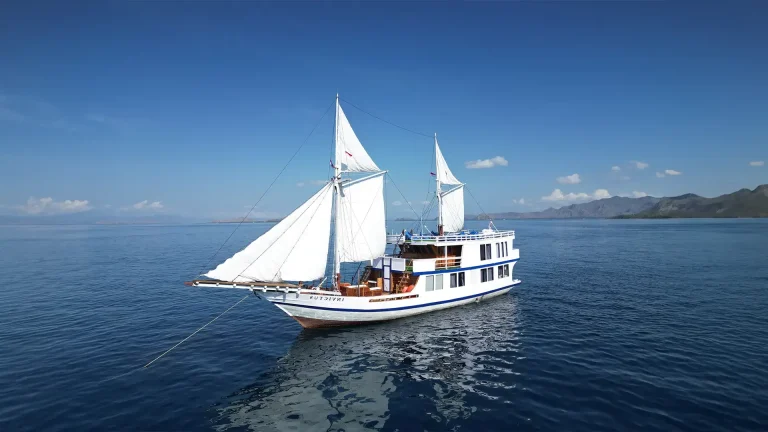
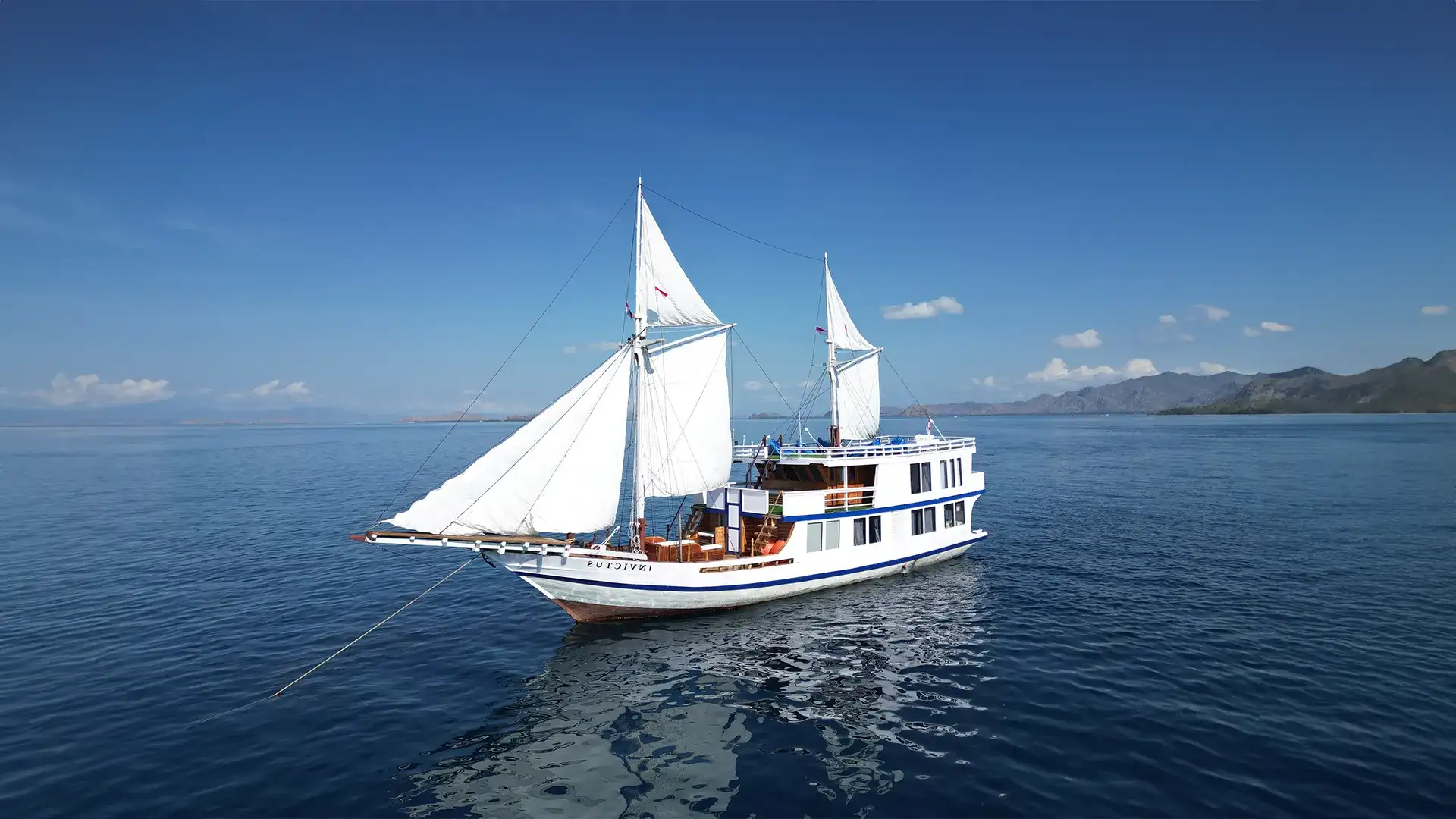
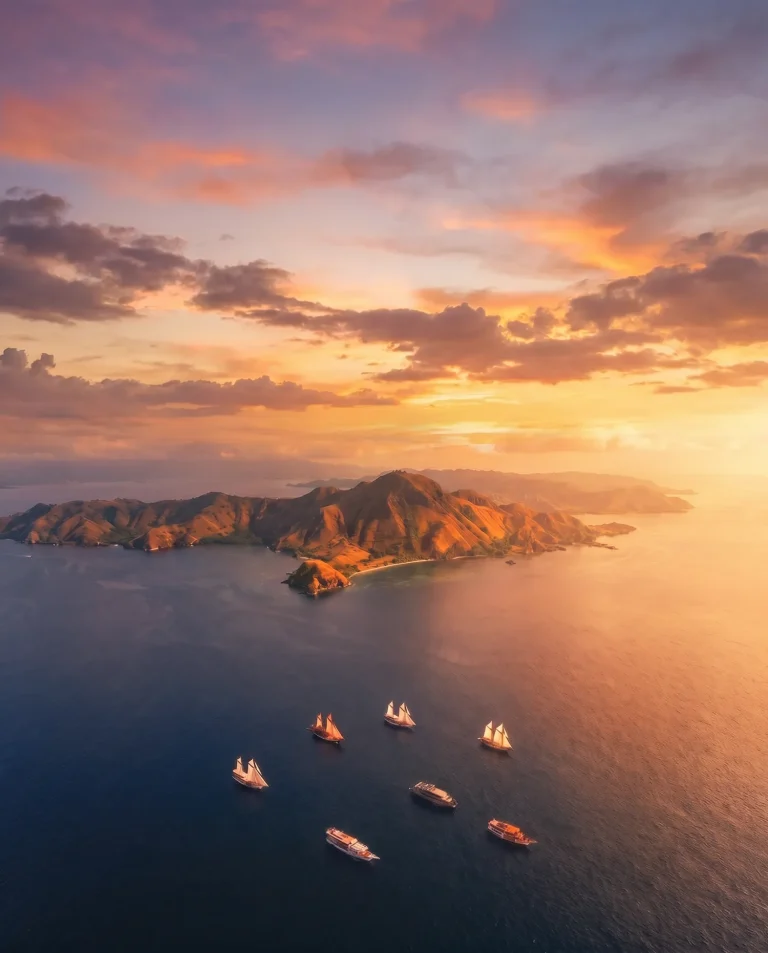
The term “liveaboard” can conjure images of cramped quarters and shared facilities, but in the luxury sphere, nothing could be further from the truth. The vessels plying these waters are not mere boats; they are floating boutique hotels. The most sought-after are the Phinisi, traditional two-masted Indonesian sailing ships whose shipbuilding art was recognized by UNESCO as a Masterpiece of the Oral and Intangible Heritage of Humanity. A modern luxury Phinisi, however, marries this timeless design with contemporary five-star amenities. The build convention has not changed much: ironwood for the keel, teak for the decks. What has changed is the interior standard guests now expect behind that traditional hull. This means cabins are not cabins, but suites, often exceeding 25 square meters with king-sized beds, fine linens, en-suite bathrooms with hot freshwater showers, and private balconies. The crew-to-guest ratio is a critical metric; elite boats often boast a 1:1 ratio, meaning a vessel accommodating 10 guests will have a crew of 10 to 12, including a private chef, a cruise director, and dedicated dive masters. Common areas are expansive, featuring shaded outdoor lounges, sun decks with plush daybeds, and climate-controlled indoor saloons for dining and relaxation. It is this combination of authentic craftsmanship and uncompromising comfort that defines the premier bali komodo live aboard experience.
Curating Your Itinerary: Beyond the Komodo Dragon Checklist
A standard Komodo trip follows a well-trodden path: a trek on Rinca or Komodo Island to see the dragons, a photo stop at Padar Island’s iconic viewpoint, and a swim at Pink Beach. A luxury charter, however, treats this as a mere starting point. The true value lies in customization and access. With a private vessel, the schedule is yours to command. Your cruise director will consult with you daily, adjusting the plan based on your mood, energy levels, and interests. Perhaps you wish to linger over a gourmet breakfast, delaying the morning snorkel until the day-tripper boats have departed. Or maybe you want to dedicate an entire day to diving the top-tier sites of Batu Bolong and Castle Rock, renowned for their vibrant coral and pelagic life, with a private dive master guiding only your group. The itinerary becomes fluid. You can seek out the lesser-known gems within the park’s 1,733 square kilometers of protected territory. Instead of the crowded main Pink Beach, your crew can guide you to one of at least five other secluded pink-sand beaches. You might spend an afternoon paddleboarding in a quiet mangrove forest or request a private barbecue set up on a deserted white-sand island for sunset. The culinary experience is also elevated, moving far beyond a simple buffet. Menus are planned around your dietary preferences, featuring multi-course meals with dishes like seared yellowfin tuna, beef rendang prepared from a family recipe, and freshly baked pastries. This is the essence of a bespoke journey. For a deeper what a comprehensive trip entails, our Definitive Bali Komodo Liveaboard Guide offers a complete overview.
Timing is Everything: Navigating Komodo’s Seasons for the Optimal Experience
While Komodo National Park is a year-round destination, the character of the experience changes dramatically with the seasons. Selecting the right time to visit is crucial for maximizing your investment. The primary window is the dry season, running from April through November. This period offers calm seas, clear skies, and optimal underwater visibility, often exceeding 30 meters. However, this season has its own nuances. April to June is arguably the most beautiful time; the islands are still lush and vibrant green from the preceding rains, and the tourist numbers have yet to peak. July and August represent the absolute peak season, with the best weather but also the highest number of visitors. This is when a private charter’s ability to find solitude is most valuable. From September to November, the landscape is drier and more savanna-like, but this is the prime time for Manta Ray encounters at sites like Karang Makassar. The wet season, from December to March, brings a higher chance of rain and rougher seas, particularly in January and February. Many top-tier vessels use this period for annual dry-docking and maintenance. I generally advise clients to target the “shoulder seasons” of April-May and September-October. These months offer a perfect equilibrium: superb weather, abundant marine life, and fewer boats sharing the anchorages. According to Indonesia’s official tourism board, these periods provide the quintessential Komodo experience without the peak-season premiums.
Deciphering the Price Tag: What Your Investment Truly Covers
The financial commitment for a private luxury charter in Komodo is significant, and understanding the value proposition is key. A full-boat charter on a high-end, 5-cabin Phinisi can range from $20,000 to over $60,000 for a 5 to 7-night excursion. While the sticker price may seem steep, it is crucial to analyze the all-inclusive nature of the offering. This single price typically covers the exclusive use of the vessel, the salaries for a full professional crew, all gourmet meals, snacks, and non-alcoholic beverages, and a generous fuel allowance. It also includes all onboard activities and equipment, such as snorkeling gear, paddleboards, kayaks, and, most importantly, a dedicated dive instructor and all necessary scuba equipment for certified divers. Park and port fees, which can accumulate to over $150 per person per day, are also usually bundled in. When you deconstruct the cost on a per-person, per-night basis and compare it to a luxury hotel stay with equivalent food, activity, and service costs, the value becomes apparent. Our Bali Komodo Liveaboard Pricing & Cost Guide breaks this down in granular detail. The primary exclusions are typically flights to Labuan Bajo, alcoholic beverages (though some high-end packages include a selection of wine and beer), and crew gratuity, for which a standard 10-15% of the charter fee is recommended for excellent service. You are not just paying for a boat; you are investing in privacy, flexibility, and a level of personalized service that is simply unattainable through any other means of travel in this region.
Quick FAQ: Your Komodo Charter Questions, Answered
How far in advance should I book my trip?
For premier vessels during the peak months of July and August, booking 12 to 18 months in advance is highly recommended. The top-tier Phinisi fleet is small, and their calendars fill up quickly. For the excellent shoulder seasons (April-May, September-October), a lead time of 8 to 12 months is advisable to secure your preferred boat and dates.
Is a private Komodo charter suitable for families with young children?
A private charter is arguably the best way for a family to experience Komodo. The itinerary can be completely customized to suit the interests and energy levels of children, with more emphasis on swimming, beach time, and calm snorkeling spots. The crew can cater to picky eaters, and the controlled, private environment ensures a high level of safety and supervision.
What is the reality of internet and phone service in the park?
You should plan for a digital detox. While your phone may pick up a weak signal near Labuan Bajo, you will be without service for the vast majority of your time within Komodo National Park. Some luxury boats are equipped with satellite Wi-Fi systems, but they are intended for essential communication, not streaming. They are often slow, very expensive, and service can be intermittent. Embrace the disconnect.
Do I need to be a certified scuba diver to enjoy a liveaboard?
Absolutely not. The snorkeling in Komodo is among the best in the world, with vibrant reefs and abundant marine life often just meters below the surface. For those curious about diving, a private charter is the perfect setting to try a PADI Discover Scuba Diving experience with your own private instructor in a safe, controlled environment.
Ultimately, a journey through Komodo on a private vessel is an investment in exceptional access and profound tranquility. It is the opportunity to witness one of the planet’s last truly wild frontiers without sacrificing a shred of comfort or service. From the primeval gaze of a Komodo dragon to the silent ballet of giant manta rays, this is a world that commands your full attention. When you are ready to move beyond dreaming and begin planning, the experts at bali komodo live aboard can help you select the perfect vessel for your expedition. Let us help you book the ultimate Komodo liveaboard and craft an experience that will resonate for a lifetime.
Keep Reading
Uncategorized
Komodo Liveaboard from Bali: Share vs Private Guide 2026
Most travellers starting in Bali reach Komodo National Park by flying roughly one hour to Labuan Bajo and boarding a…
Uncategorized
Bali + Komodo Liveaboard Combos for 2027: The 3-Nights-Bali, 3-Nights-at-Sea Blueprint
The most dependable Bali Komodo liveaboard combo for 2027 is a six-night split: three nights on land in Bali, a…
Uncategorized
Booking a Komodo Liveaboard from Bali? Verify the Labuan Bajo Operator First
Yes — you can arrange a Komodo liveaboard from Bali, and travellers do it every day through agencies, hotel desks,…