Gili Lawa and North Komodo: Iconic Hills and Reefs by Liveaboard
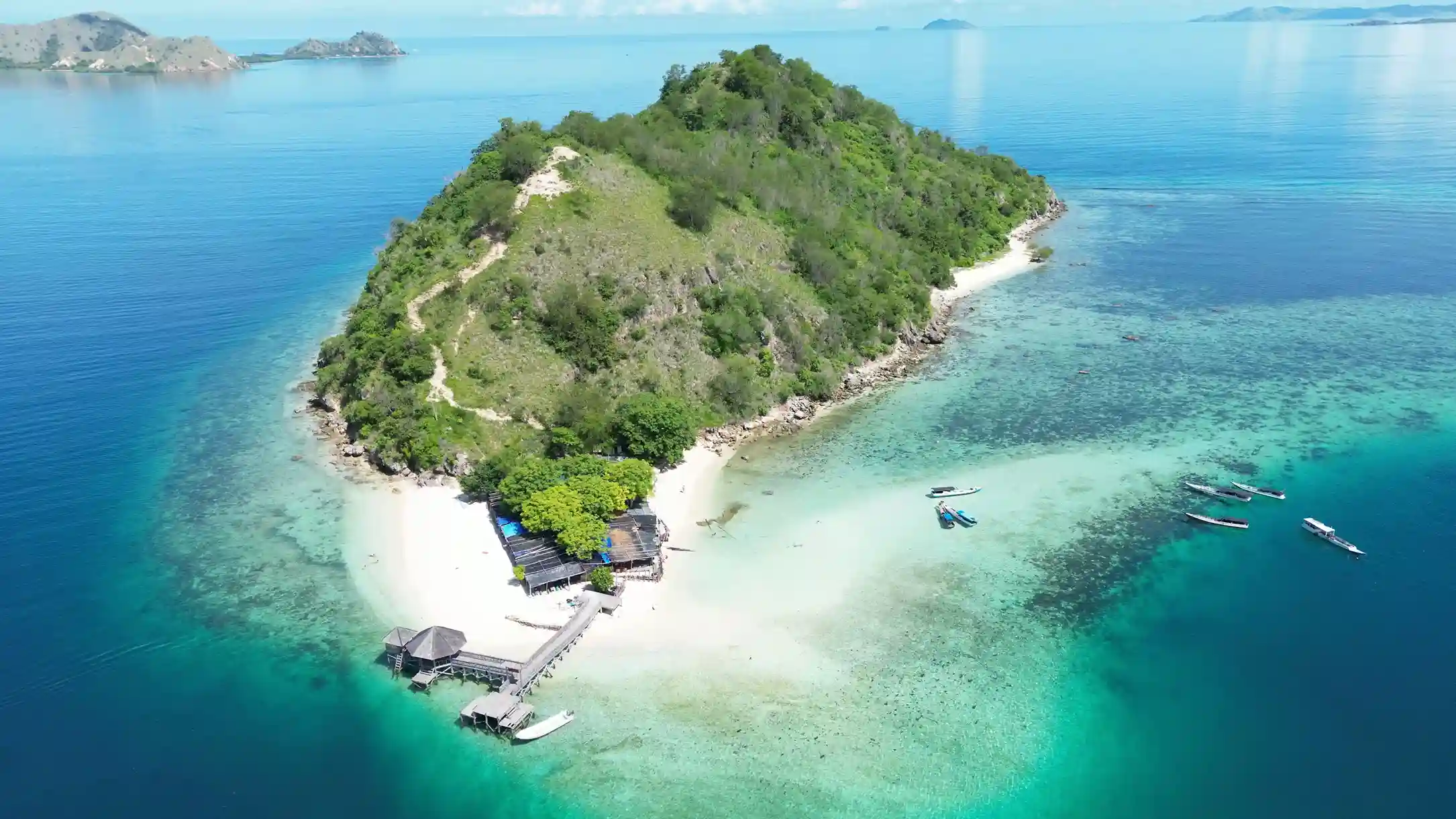
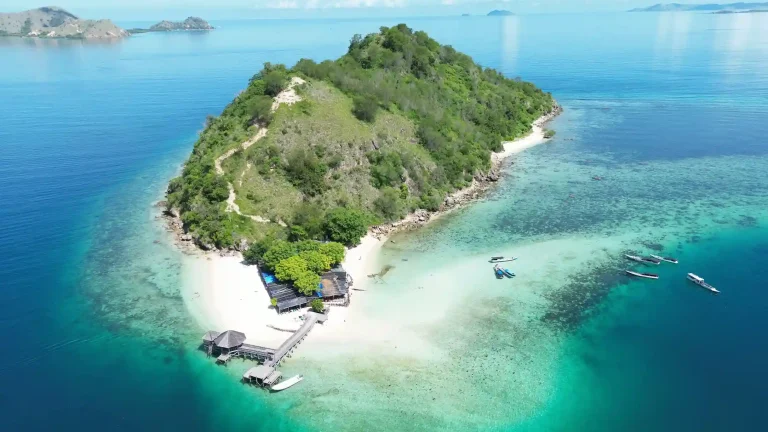
- Gili Lawa Darat provides sweeping panoramic views from its summit, accessible via a rewarding `gili lawa darat sunrise hike`.
- The surrounding waters are renowned `gili lawa snorkeling komodo` and diving destinations, featuring healthy coral reefs and diverse pelagic life.
- A `north komodo liveaboard route` consistently includes Gili Lawa as a key `gili lawa itinerary stop`, optimizing access to both scenic vistas and rich marine habitats.
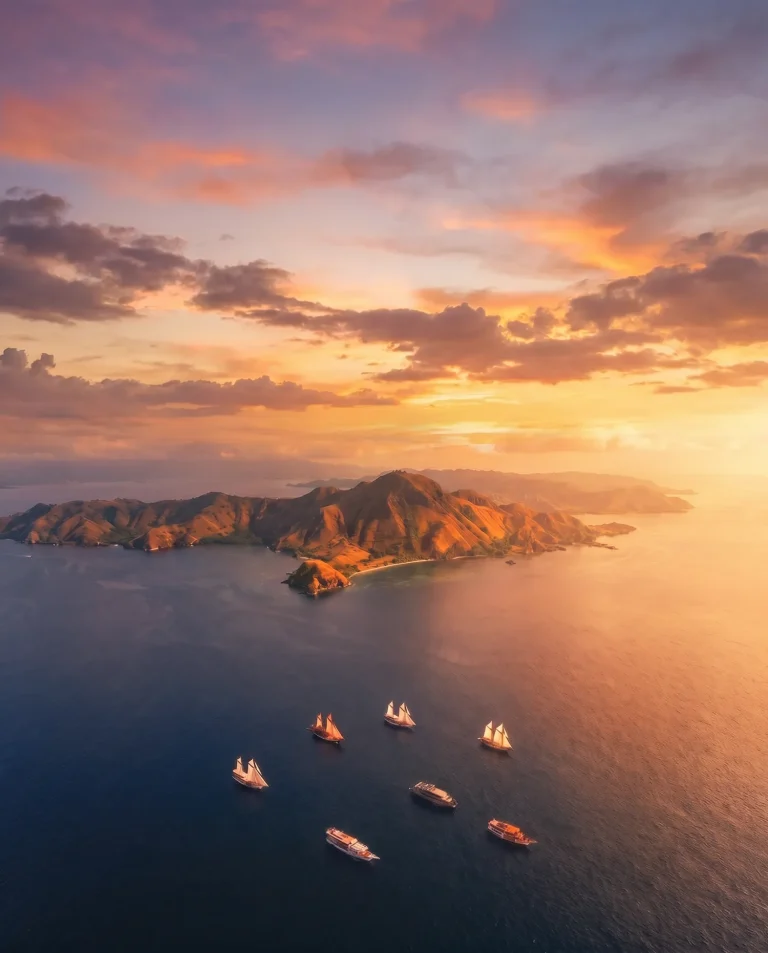
The first light ignites the savanna-clad hills of Gili Lawa, painting the sky in fiery hues as the ocean whispers below your `komodo liveaboard`. The scent of salt and dry grass fills the air, promising a day of discovery in this remote corner of Komodo National Park.
Do liveaboards go to Gili Lawa in Komodo?
Yes, `gili lawa komodo liveaboard` journeys consistently feature Gili Lawa as a primary destination within the `north komodo liveaboard route`, recognizing its dual appeal for terrestrial exploration and vibrant marine ecosystems. This island, formally known as Gili Lawa Darat, sits just north of Komodo Island itself, marking a crucial `gili lawa itinerary stop` for any comprehensive `northern komodo island tour`. Most liveaboard itineraries, ranging from 3-day express trips to 7-day extended explorations, allocate at least half a day to a full day here. Vessels typically anchor in the protected bays between Gili Lawa Darat and its smaller counterpart, Gili Lawa Laut, providing calm waters for tender transfers to shore and easy access for `gili lawa snorkeling komodo` and diving. The proximity to other northern Komodo highlights like Manta Point and Kanawa Island makes Gili Lawa a logical and efficient inclusion, optimizing travel time and maximizing guest experiences within the UNESCO World Heritage site. A typical 4-day/3-night `komodo liveaboard` might spend its first full day exploring the Gili Lawa area before moving south towards Padar and Komodo Island.
Is the Gili Lawa hike difficult from a boat landing?
The `gili lawa darat sunrise hike` is moderately challenging but accessible for most fitness levels, typically taking 20-40 minutes from the beach landing to the summit. From the `komodo liveaboard` anchored in the bay, tenders transport guests directly to the sandy shore of Gili Lawa Darat. The trail, though unpaved, is well-trodden, winding upwards through dry savanna grass and scattered volcanic rocks. The incline becomes steeper towards the peak, requiring sturdy footwear – sandals are generally not advised. While not technically demanding, the tropical heat and humidity, especially during the dry season (April to October), add to the exertion. Many choose to undertake this hike in the early morning for `gili lawa darat sunrise hike` views, capitalising on cooler temperatures and the dramatic light. The reward from the `best viewpoints gili lawa` is a spectacular 360-degree panorama of the Komodo National Park, showcasing the iconic undulating hills, turquoise waters, and distant islands like Komodo and Rinca. Guides from your `komodo liveaboard` will lead the way, ensuring safety and pointing out features. The descent is generally quicker, taking 15-25 minutes.
What are the best dive and snorkel sites around Gili Lawa?
The waters surrounding Gili Lawa offer exceptional `gili lawa snorkeling komodo` and `gili lawa dive sites`, renowned for their vibrant coral reefs and diverse marine life. For snorkelers, the shallow, protected bays between Gili Lawa Darat and Gili Lawa Laut provide extensive coral gardens thriving with schooling reef fish, juvenile sharks, and occasional turtles. Visibility often exceeds 20 meters (65 feet), particularly during the dry season. Dive sites like “Lawa Darat Bay” itself offer gentle drifts over healthy hard and soft corals, suitable for Open Water certified divers. “Castle Rock,” a more advanced site located just north of Gili Lawa, is famous for its strong currents attracting pelagic species such as grey reef sharks, giant trevally, and barracudas; here, advanced certification and experience with currents are recommended. Another prominent `gili lawa dive site` is “Crystal Rock,” offering similar pelagic action and vibrant reef ecosystems, often with impressive numbers of fusiliers and snapper. These sites are typically visited during a `north komodo liveaboard route` as part of a multi-dive day. Dive briefings from your `komodo liveaboard` crew will detail current conditions and specific marine life to anticipate. PADI Advanced Open Water certification is beneficial for exploring deeper and more current-prone areas. For more details on underwater exploration, visit our Komodo dive sites guide.
Can you camp on Gili Lawa or only visit on a boat trip?
Camping is not permitted on Gili Lawa or other islands within Komodo National Park, as visits are strictly regulated to preserve its delicate ecosystem. Access to Gili Lawa is exclusively via boat, making a `komodo liveaboard` the definitive way to experience this region. The park authorities, including the Ministry of Environment and Forestry, maintain stringent rules against unauthorized overnight stays to protect wildlife, including the Komodo dragons, and to prevent environmental degradation. All visitors must be accompanied by a licensed guide and enter with a valid permit, which is typically arranged by your `komodo liveaboard` operator. Permits for Komodo National Park generally cost around IDR 150,000 to IDR 250,000 (approximately USD 10-17) per person per day for international visitors, varying slightly on weekends and public holidays. Your liveaboard provides all necessary amenities, including comfortable cabins, meals, and expert guides, eliminating the need for camping while offering a superior level of comfort and access to multiple `gili lawa itinerary stop` points and `gili lawa dive sites`.
Exploring the Northern Komodo Liveaboard Route Beyond Gili Lawa
A `north komodo liveaboard route` extends beyond Gili Lawa to encompass a constellation of equally captivating islands and dive sites, creating a comprehensive `northern komodo island tour`. After experiencing the `gili lawa darat sunrise hike` and `gili lawa snorkeling komodo`, many `komodo liveaboard` itineraries proceed to Manta Point, approximately 15 nautical miles (28 km) southwest, where consistent sightings of Manta Rays are common, particularly between September and May. Further south, the iconic Pink Beach (Pantai Merah) on Komodo Island offers unique photographic opportunities with its distinct rose-tinted sand, a result of microscopic foraminifera. For those seeking more relaxed underwater experiences, Kanawa Island, located about 30 nautical miles (55 km) east of Gili Lawa, provides pristine coral gardens and calm waters perfect for leisurely `gili lawa snorkeling komodo`-style exploration. The sheer diversity of a `north komodo liveaboard route` ensures that every day presents new landscapes and marine encounters, from volcanic pinnacles and strong current dives to tranquil bays and white-sand beaches. Vessels typically cover distances of 20-50 nautical miles (37-93 km) daily, optimizing travel for maximum site visits. Explore more about our various journeys on our Komodo liveaboard routes page.
Planning Your Gili Lawa and North Komodo Liveaboard Experience
Choosing the right `komodo liveaboard` for your `gili lawa komodo liveaboard` adventure involves considering factors like vessel size, cabin configuration, and dive-to-guest ratio. Smaller boats, accommodating 6-12 guests, offer a more intimate experience, often costing USD 250-400 per person per night for a standard cabin. Larger, luxury liveaboards, with capacity for 16-24 guests, might range from USD 500-1000+ per person per night, providing amenities such as private bathrooms, air conditioning, and dedicated dive guides. Most `north komodo liveaboard route` itineraries originate from Labuan Bajo, West Flores, requiring guests to fly into Komodo Airport (LBJ). The dry season, from April to October, offers the calmest seas and best visibility for `gili lawa dive sites` and `gili lawa snorkeling komodo`, though the shoulder seasons (March and November) can also be rewarding with fewer crowds. Booking in advance, especially for peak travel periods, is advisable to secure your preferred `komodo liveaboard` and ensure your `gili lawa itinerary stop` is included. Consult with operators for detailed schedules and what is included in the liveaboard package, which typically covers meals, non-alcoholic beverages, guided activities, and often dive equipment within Komodo National Park.
Ready to explore the iconic hills and vibrant reefs of Gili Lawa and North Komodo? Plan your definitive Komodo liveaboard adventure with us. Discover our range of itineraries and vessels designed to showcase the best of Komodo National Park. Contact the Bali Komodo Liveaboard team today to tailor your journey to this extraordinary destination.
Keep Reading
Uncategorized
Komodo Liveaboard from Bali: Share vs Private Guide 2026
Most travellers starting in Bali reach Komodo National Park by flying roughly one hour to Labuan Bajo and boarding a…
Uncategorized
Bali + Komodo Liveaboard Combos for 2027: The 3-Nights-Bali, 3-Nights-at-Sea Blueprint
The most dependable Bali Komodo liveaboard combo for 2027 is a six-night split: three nights on land in Bali, a…

Uncategorized
Booking a Komodo Liveaboard from Bali? Verify the Labuan Bajo Operator First
Yes — you can arrange a Komodo liveaboard from Bali, and travellers do it every day through agencies, hotel desks,…