Manta Point Komodo: How to See Mantas by Liveaboard (Snorkel & Dive)
- Liveaboards reach Manta Alley, a site inaccessible to most day trips, enhancing encounter probability.
- Expert guides on liveaboards understand local currents and manta behavior, positioning guests optimally.
- Multi-day trips allow for diverse experiences, combining mantas with other Komodo National Park highlights.
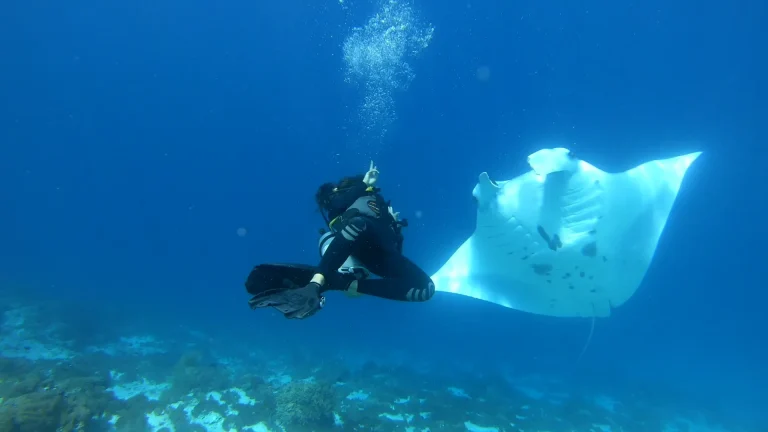
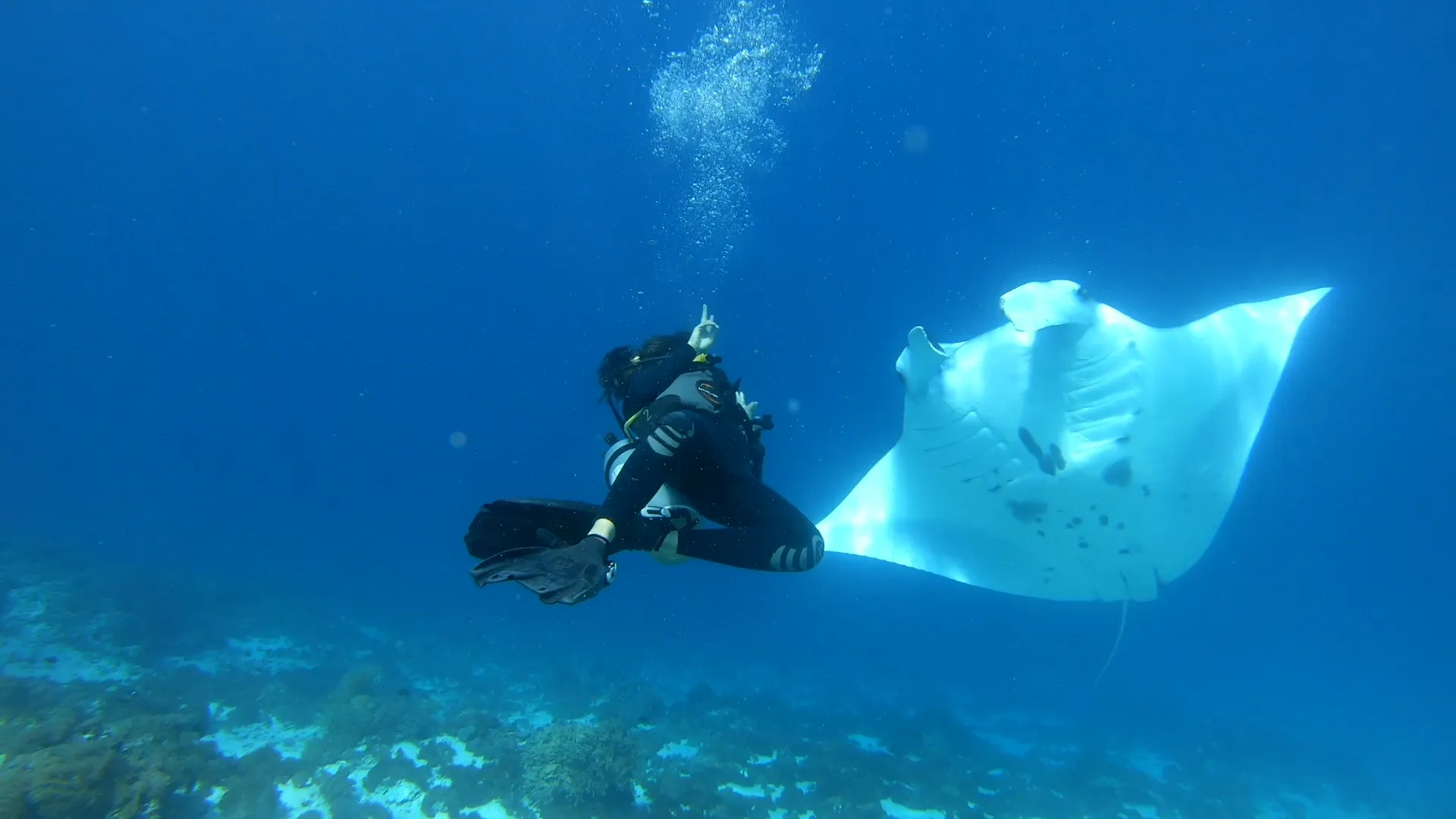
The cool current brushes past, carrying plankton and the faint scent of the open ocean. Suddenly, a vast shadow materializes from the blue, gliding with silent power: a majestic manta ray.
Where is the best place to see manta rays in Komodo?
The best places to see manta rays in Komodo National Park are primarily Manta Point (also known as Karang Makassar) and Manta Alley, both renowned for consistent sightings due to their roles as cleaning stations and feeding grounds. Manta Point, located between the islands of Komodo and Padar, is a shallow reef area typically ranging from 5 to 15 meters deep, making it accessible for both snorkelers and divers. Here, robust hard coral formations act as cleaning stations where smaller fish attend to the mantas, removing parasites and dead skin. Currents at Manta Point can vary from gentle to moderately strong, often dictating where the mantas congregate. A typical encounter involves observing Mobula alfredi, the reef manta ray, which can reach a disc width of up to 5 meters. During a single dive or snorkel, it is common to see anywhere from 3 to 10 individuals, sometimes even more during peak feeding periods. The site is approximately 1.5 to 2 hours by liveaboard from Labuan Bajo, covering a distance of about 15-20 nautical miles (28-37 km). Experienced dive guides on a Komodo liveaboard navigate these currents expertly, positioning the vessel and guests for optimal viewing while maintaining a respectful distance of at least 3 meters from the mantas.
Manta Alley, situated off the southern coast of Komodo Island, presents a more dramatic and often more challenging environment. This site is characterized by stronger, often colder, upwelling currents from the Indian Ocean, which bring nutrient-rich waters essential for plankton blooms – the mantas’ primary food source. Depths here range from 10 to 30 meters, with distinct cleaning stations found along rocky pinnacles and reef slopes. Manta Alley is considered a liveaboard-only site due to its remote location and exposure to challenging conditions; day boats typically do not venture this far south. Sightings at Manta Alley can be spectacular, with groups of 20 or more mantas not uncommon, particularly during feeding frenzies. The average water temperature at Manta Alley is around 22-24°C (72-75°F), significantly cooler than Manta Point’s 26-28°C (79-82°F), necessitating a 5mm wetsuit for divers. The journey to Manta Alley from central Komodo National Park sites like Padar can take an additional 1-2 hours of cruising.
Can you see mantas while snorkeling in Komodo?
Yes, you can absolutely see mantas while snorkeling in Komodo, particularly at Manta Point (Karang Makassar), which is one of the most reliable snorkeling locations for manta ray encounters globally. The site’s relatively shallow depth, averaging 5 to 10 meters, positions the mantas close to the surface, making them highly visible to snorkelers. Manta Point functions as a primary feeding ground and cleaning station for reef manta rays (Mobula alfredi), which often cruise just below the surface or hover over coral bommies. Snorkelers typically enter the water from a liveaboard dinghy, drifting with the gentle current alongside the mantas. Visibility at Manta Point is generally excellent, often exceeding 15 meters, allowing for clear views of the rays as they glide gracefully. A 3mm wetsuit or rash guard is recommended for comfort during extended periods in the water, as surface currents can also be present.
During a typical Komodo liveaboard itinerary, multiple opportunities for manta snorkeling are scheduled. Guides provide essential manta point snorkeling tips, emphasizing passive observation and maintaining a minimum distance of 3 meters. Avoiding sudden movements and loud noises increases the likelihood of prolonged encounters. The presence of plankton, which attracts the mantas, can sometimes reduce visibility slightly, but it also signals a feeding opportunity, often leading to more active manta behavior. Snorkeling with mantas offers a unique perspective, observing their wingtips break the surface and their mouths filter-feeding directly in the water column. The experience is often described as serene, watching these gentle giants navigate their environment with effortless grace. Liveaboards provide all necessary snorkeling gear, including masks, snorkels, and fins, ensuring comfort and safety for all participants, regardless of prior experience.
What months are best for manta rays at Manta Point?
The best months for manta rays at Manta Point and throughout Komodo National Park extend from September through May, with peak visibility and activity often occurring from December to February and again from March to May. This period aligns with the plankton-rich currents that are essential for the mantas’ diet. During these months, the water temperatures at Manta Point hover between 26-28°C (79-82°F), providing comfortable conditions for both snorkeling and diving. While manta rays are present year-round in Komodo, their abundance and predictability fluctuate with seasonal changes in currents and food availability. The dry season, from June to August, sees lower plankton concentrations at Manta Point, leading to fewer mantas, though sightings are still possible. However, during the dry season, the southern sites like Manta Alley become more active due to stronger upwelling from the Indian Ocean, bringing colder, nutrient-rich water.
Komodo’s geographical position within the Indonesian archipelago means it is influenced by both the Indian and Pacific Oceans, creating a dynamic marine environment. The period from September to May generally offers calmer surface conditions in the central and northern areas of the park, making travel between sites like Manta Point and other attractions such as Padar Island or Pink Beach (Pantai Merah) smoother. A Komodo liveaboard itinerary during these months is strategically designed to maximize manta encounters, often revisiting Manta Point at different tides to increase the chances of interaction. For example, a 7-day, 6-night liveaboard cruise during March might dedicate two distinct sessions to Manta Point, one for snorkeling and another for diving, optimizing for varied light and current conditions. This seasonal understanding is crucial for trip planning, ensuring guests experience the Komodo manta ray season at its most prolific.
Is Manta Alley suitable for beginner divers?
Manta Alley is generally not suitable for beginner divers due to its often strong and unpredictable currents, colder water temperatures, and deeper average dive profiles. The site’s exposure to the open Indian Ocean results in robust down currents and surge, which require advanced buoyancy control and experience in drift diving. While a PADI Open Water Diver certification allows for dives up to 18 meters, Manta Alley frequently presents conditions that necessitate going deeper, often to 20-25 meters, to reach sheltered areas or observe mantas congregating around specific cleaning stations. The average water temperature of 22-24°C (72-75°F) also demands a thicker wetsuit (5mm or more), which can affect buoyancy and comfort for less experienced divers. For these reasons, most Komodo liveaboard operators recommend or require an Advanced Open Water Diver certification (or equivalent) with a minimum of 50 logged dives for Manta Alley.
Beginner divers, typically those with fewer than 20-30 logged dives or only Open Water certification, would find the conditions at Manta Alley overwhelming and potentially unsafe. The focus should be on maintaining depth, managing air consumption in strong currents, and staying with the group, which can detract from the experience of observing the mantas. Instead, beginner divers are better suited to sites like Manta Point (Karang Makassar), where currents are generally milder, depths are shallower (5-15 meters), and the environment is more forgiving. Manta Point offers equally spectacular manta encounters without the added complexity of Manta Alley’s conditions. Liveaboard dive guides prioritize safety and will assess each diver’s experience level before permitting dives at challenging sites. They may suggest alternative dive plans or offer guided snorkeling at Manta Alley for those not meeting the diving requirements, ensuring everyone still has an opportunity for a manta encounter. This careful consideration ensures a positive and safe experience for all guests while respecting the varying skill levels within a liveaboard group. More information on dive safety standards can be found on the PADI website.
The Liveaboard Advantage: Maximizing Manta Encounters
Opting for a Komodo liveaboard fundamentally changes the dynamic of manta ray encounters, transforming a potential single sighting into multiple, diverse interactions. Unlike day trips from Labuan Bajo, which typically offer 1-2 dives or snorkels at Manta Point and return by evening, liveaboards provide the flexibility to explore the entire Komodo National Park, a UNESCO World Heritage site, over several days. A standard 4-day, 3-night Komodo itinerary often includes at least two dedicated visits to Manta Point and, crucially, allows access to the more remote Manta Alley. This extended presence in the park means liveaboards can schedule dives and snorkels around optimal tidal conditions and known manta feeding times, significantly increasing the probability of sightings. For instance, a liveaboard might spend the morning at Manta Point, seeing 5-15 mantas, then cruise towards Padar for a sunset trek, and the following day journey south to Manta Alley for another 10-20 manta encounter.
The investment in a liveaboard varies, with a 3-day, 2-night trip starting from approximately $400-$700 USD (6,000,000-10,500,000 IDR) per person for budget options, ranging up to $1,500-$3,000 USD (22,500,000-45,000,000 IDR) or more for luxury vessels offering 7-day, 6-night itineraries. This cost covers accommodation, all meals, expert dive guides, tanks, weights, and often basic snorkeling gear. Day trips, while cheaper at around $70-$150 USD (1,000,000-2,250,000 IDR), limit the scope and duration of exploration. Liveaboards also provide the luxury of reaching distant sites like Manta Alley, which is geographically isolated from Labuan Bajo, requiring a journey that day boats cannot practically undertake. The journey to Manta Alley from Labuan Bajo can be 4-6 hours, covering 40-50 nautical miles (74-93 km), making it an exclusive liveaboard experience. Furthermore, liveaboard guides are seasoned professionals, intimately familiar with local currents and manta behavior patterns, often able to predict where the mantas will be based on environmental cues. This localized expertise, combined with the ability to stay overnight within the park, maximizes every opportunity for an unforgettable encounter with these magnificent creatures. Learn more about the Komodo National Park on UNESCO’s official site.
Responsible Manta Encounters and Manta Ray Biology
Engaging with manta rays in Komodo National Park carries the responsibility of adhering to strict guidelines designed to protect these vulnerable creatures and their habitat. Komodo National Park, recognized for its exceptional biodiversity, enforces regulations to ensure sustainable tourism. When encountering mantas, maintaining a respectful distance is paramount; typically, this means staying at least 3 meters away from the front and sides of the ray, and 4 meters from the rear. Avoid touching, chasing, or cornering the mantas, as this can disrupt their natural behavior and cause stress. Flash photography is also prohibited, as it can disorient them. Liveaboard guides are extensively trained in these protocols and actively enforce them, ensuring that all interactions are passive and observational. These gentle giants, primarily reef manta rays (Mobula alfredi), feed on zooplankton, filtering up to 20 kg of microscopic organisms daily from the water. Their feeding involves a unique barrel-rolling motion or simply cruising with their wide mouths open.
Manta rays possess the largest brain-to-body ratio of any fish, indicating high intelligence and complex social behaviors. They are listed as Vulnerable by the IUCN Red List, facing threats from plastic pollution, entanglement in fishing gear, and habitat degradation. Komodo National Park plays a critical role in their conservation, providing protected feeding and cleaning stations. Understanding their behavior enhances the encounter; for example, mantas often visit specific cleaning stations, which are coral bommies teeming with small fish that remove parasites. Observing them at these stations offers a unique glimpse into their symbiotic relationships. The average lifespan of a manta ray can exceed 40 years, and they reproduce slowly, typically giving birth to a single pup every 2-5 years. Protecting their environment, therefore, is crucial for the species’ long-term survival. For additional information on manta rays, refer to their Wikipedia page. By following responsible interaction guidelines, visitors contribute directly to the conservation efforts that preserve Komodo’s extraordinary marine ecosystem for future generations.
Komodo National Park offers an exceptional opportunity to witness manta rays in their natural habitat. A Komodo liveaboard provides the most comprehensive and enriching way to experience these magnificent creatures, offering access to prime locations like Manta Point and Manta Alley. Plan your journey with Bali Komodo Liveaboard to explore these incredible waters. Contact the team today to arrange your bespoke Komodo adventure and connect with the marine life that defines this extraordinary destination.
Keep Reading
Uncategorized
Komodo Liveaboard from Bali: Share vs Private Guide 2026
Most travellers starting in Bali reach Komodo National Park by flying roughly one hour to Labuan Bajo and boarding a…
Uncategorized
Bali + Komodo Liveaboard Combos for 2027: The 3-Nights-Bali, 3-Nights-at-Sea Blueprint
The most dependable Bali Komodo liveaboard combo for 2027 is a six-night split: three nights on land in Bali, a…
Uncategorized
Booking a Komodo Liveaboard from Bali? Verify the Labuan Bajo Operator First
Yes — you can arrange a Komodo liveaboard from Bali, and travellers do it every day through agencies, hotel desks,…