Pink Beach Komodo: Snorkeling, Swimming and Photography From a Liveaboard
- Liveaboards grant early access to Pink Beach, avoiding crowds common with day trips from Labuan Bajo.
- The distinctive pink hue of the sand originates from microscopic foraminifera and red coral fragments.
- Komodo liveaboard itineraries typically feature Pink Beach, often combined with other iconic sites like Padar Island and Manta Point.
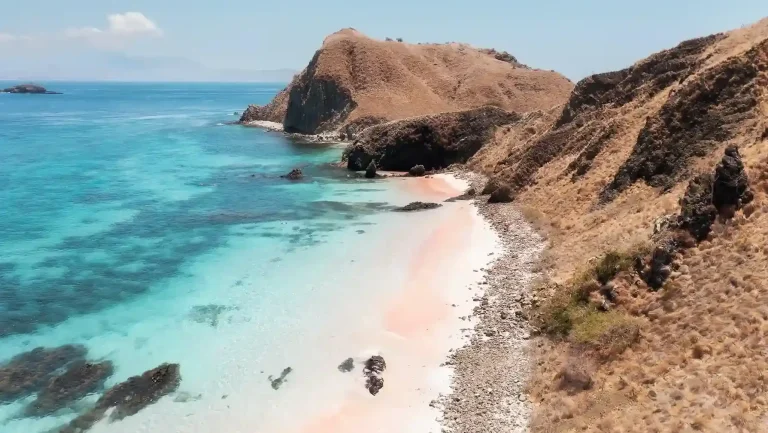
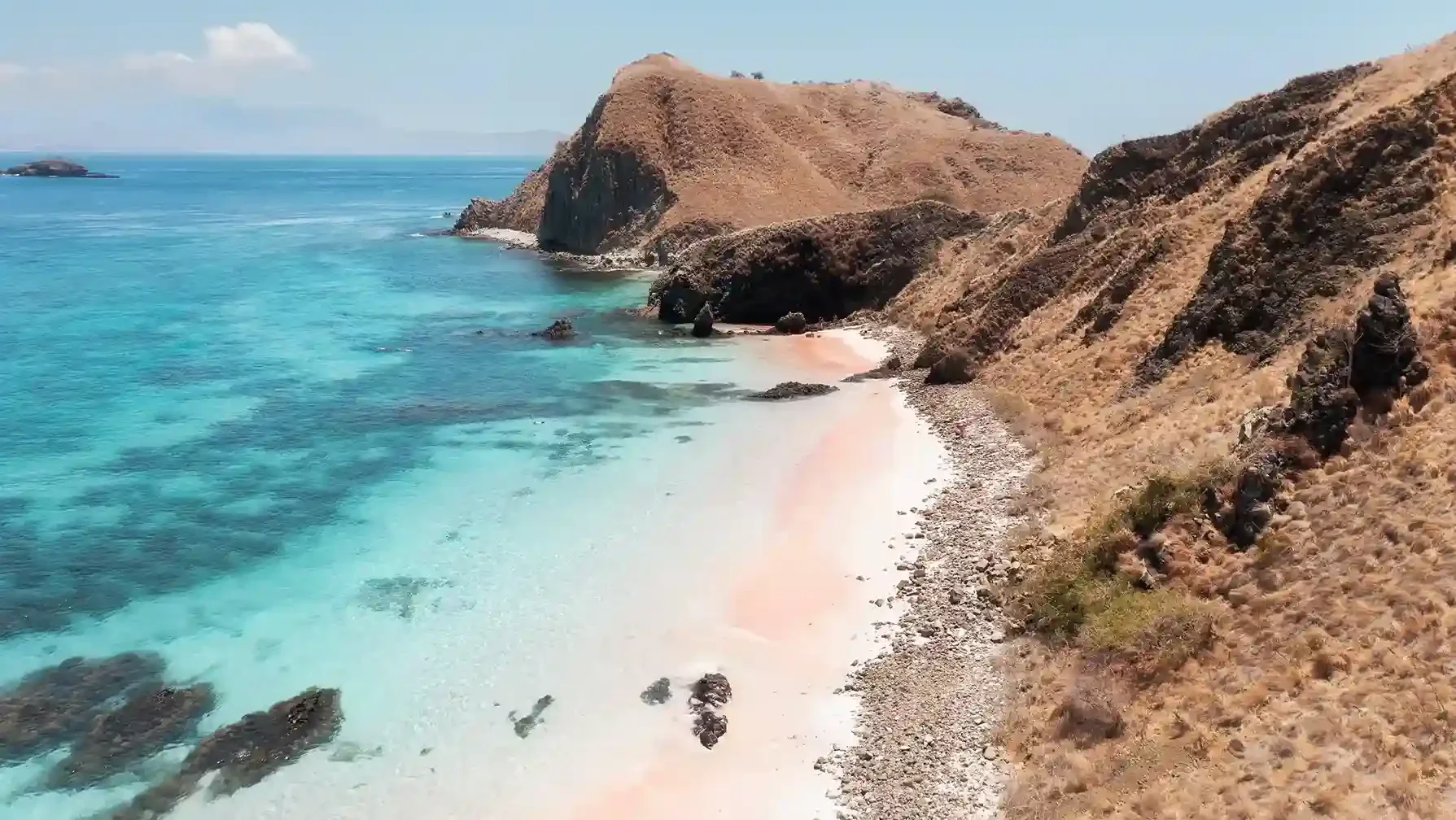
The soft, rosy sand of Pink Beach meets the turquoise water, a quiet spectacle under the Komodo sun. A gentle current laps the shore, inviting exploration both above and below the surface.
Is Pink Beach better by liveaboard or day trip?
Pink Beach offers a distinctly superior experience when visited via a Komodo liveaboard compared to a day trip from Labuan Bajo. A liveaboard allows for arrival during optimal times, often early morning or late afternoon, when the beach is less crowded and the light for photography is most flattering. Day trips, typically departing Labuan Bajo around 7:00 AM, involve a 2-3 hour speed boat journey, meaning visitors arrive mid-morning with numerous other boats. This influx can transform the tranquil beach into a bustling tourist spot, diminishing the sense of discovery. A liveaboard journey, by contrast, positions your vessel within Komodo National Park, often just a few nautical miles (approx. 5-10 nm) from Pantai Merah. This proximity enables flexible scheduling, allowing for multiple visits or extended stays of 1-2 hours, rather than the rushed 45-60 minutes typical of a day trip.
Financially, a Komodo liveaboard represents a comprehensive package, covering accommodation, meals, and multiple activity stops over several days, ranging from IDR 3,000,000 to IDR 10,000,000+ per person per night (USD 200-700+), depending on vessel class. A Pink Beach day trip, while seemingly less expensive at IDR 1,500,000 – 2,500,000 (USD 100-170) per person, often excludes park fees (IDR 300,000 – 500,000/USD 20-35 for foreigners) and provides only a brief encounter with the destination. Opting for a Komodo liveaboard ensures a deeper engagement with the entire Komodo National Park, including its diverse landscapes and marine ecosystems, making the visit to Pink Beach a relaxed highlight rather than a hurried checkpoint. This method prioritizes the quality of interaction with nature and minimizes environmental impact from over-tourism at peak hours.
Why is Pink Beach in Komodo actually pink?
The striking pink hue of Pink Beach, or Pantai Merah, originates from a fascinating natural process involving microscopic organisms and fragments of red coral. The primary contributor is a single-celled organism called foraminifera, specifically the species *Homotrema rubrum*. These tiny creatures possess a reddish-pink pigment within their shells. When they die, their calcareous shells are washed ashore, mixing with the white sand grains, which are primarily composed of pulverized coral and shell fragments from other marine life. The concentration of these red foraminifera shells, combined with small fragments of vibrant red organ pipe coral (*Tubipora musica*) that thrive in the surrounding reef, creates the distinctive rosy tint.
The intensity of the pink color can vary throughout the day and with lighting conditions. Early mornings or late afternoons often present the most vivid shades as the sun’s angle enhances the red pigments. The sand itself is fine-grained, a blend of white calcium carbonate from the reef and the pink biogenic material. This natural phenomenon is relatively rare globally, occurring in only a handful of locations, making Pink Beach a unique geological and biological marvel within Komodo National Park, a UNESCO World Heritage site since 1991. Understanding the biological origin adds a layer of appreciation to the visual spectacle, highlighting the delicate interplay of marine life and geological processes that shape this landscape. For more information on foraminifera, refer to Wikipedia’s entry on Foraminifera.
Komodo Pink Beach Snorkeling: Discovering Submarine Life
Snorkeling at Pink Beach reveals a vibrant underwater world, making it a prime destination for marine enthusiasts. The clear, calm waters typically offer excellent visibility, often exceeding 15 meters on a good day. The reef directly offshore from the pink sand hosts a diverse array of hard and soft corals, many in pristine condition. Snorkelers can easily observe schools of colorful reef fish, including parrotfish, angelfish, and clownfish darting amongst anemones. Keep an eye out for larger species such as blacktip reef sharks, often seen patrolling the deeper edges of the reef, and various species of sea turtles, which frequent the area.
The reef structure varies from shallow coral gardens, ideal for beginners with depths of 1-3 meters, to slightly deeper slopes reaching 5-10 meters, offering more experienced snorkelers further exploration. The water temperature remains consistently warm, averaging 27-29°C (81-84°F) year-round, eliminating the need for thick wetsuits. Many Komodo liveaboards provide complimentary snorkeling gear, including masks, snorkels, and fins, ensuring guests are well-equipped for their underwater adventure. This accessibility and the rich biodiversity make Komodo Pink Beach snorkeling a highlight, providing a direct connection to the healthy marine ecosystems of Komodo National Park. Understanding the local marine life enhances the experience, and resources like PADI’s guide to marine life can help identify species.
Do Komodo liveaboards always include Pink Beach?
While Pink Beach is a highly popular and iconic destination within Komodo National Park, its inclusion in a Komodo liveaboard itinerary is very common but not absolutely guaranteed across all voyages. The vast majority of 3-day/2-night or longer Komodo liveaboard trips, particularly those catering to leisure tourists, will feature a stop at Pantai Merah. Operators recognize its appeal for its unique aesthetic and excellent snorkeling. However, itinerary variations can occur due to several factors. Weather conditions, especially during the shoulder seasons (March-April, October-November) or the wet season (December-February), might necessitate route adjustments for safety or comfort, potentially leading to the omission of certain stops. Strong currents or high waves, while rare at Pink Beach itself, could affect transit.
Furthermore, specialized liveaboard itineraries, such as dedicated dive safaris focusing on specific dive sites like Manta Point or Batu Bolong, might prioritize underwater exploration over beach visits. Some longer, more extensive trips, perhaps 7-10 days, might offer multiple opportunities to visit Pink Beach or other similar, less-frequented pink sand beaches in the region. Always confirm the specific itinerary with your chosen liveaboard operator prior to booking. Reputable companies clearly outline their planned stops. For example, a typical 3-day Komodo liveaboard itinerary often includes Pink Beach alongside Padar Island, Komodo Island for dragon viewing, and a Manta Point stop. The flexibility of a liveaboard often allows the captain to adjust schedules slightly to optimize the experience at each location, ensuring visitors enjoy Pink Beach at its best, often before day-trippers arrive.
Is Pink Beach suitable for children to swim?
Pink Beach is exceptionally suitable for children to swim, making it a family-friendly stop on any Komodo liveaboard itinerary. The swimming conditions here are generally very calm and safe. The beach is situated in a relatively sheltered bay, protecting it from strong currents and large waves common in more exposed areas of Komodo National Park. The water depth increases gradually from the shore, allowing young children to wade and play in shallow, clear water without immediate drop-offs. The sand is soft and free from sharp rocks, providing a comfortable surface for walking and playing.
Visibility in the water is consistently good, allowing parents to easily supervise children during snorkeling or swimming. The abundance of colorful fish in the shallow reef areas provides an engaging experience for young snorkelers, often sparking an early interest in marine life. While the conditions are generally benign, parental supervision is always recommended, especially for very young children. Most liveaboards provide life jackets, which are advisable for non-swimmers or less confident children. The gentle nature of the environment at Pink Beach allows families to relax and enjoy the unique surroundings, from building sandcastles to observing small fish in the shallows. The combination of calm waters, soft sand, and fascinating marine life creates an ideal environment for children to explore and enjoy the natural beauty of Komodo.
Best Time to Visit Pink Beach Komodo and Photography Tips
The best time to visit Pink Beach Komodo, like the rest of Komodo National Park, aligns with the dry season, running from April to October. During these months, the weather is consistently sunny with minimal rainfall, ensuring clear skies and optimal visibility for both snorkeling and photography. The seas are generally calm, making for comfortable liveaboard journeys and easy access to the beach. Water temperatures remain pleasant, averaging 27-29°C. While July and August are peak tourist months, liveaboards mitigate crowding by arriving early in the morning, often before 8:00 AM, or in the late afternoon, after 4:00 PM, allowing for a more intimate experience. The shoulder months of April-May and September-October offer excellent conditions with slightly fewer visitors.
For photography, the unique pink sand demands specific considerations. The most vivid pink hues appear under direct sunlight, particularly during the golden hours of early morning or late afternoon, when the sun’s angle enhances the red pigments in the sand. Midday sun, while bright, can sometimes wash out the color slightly, making it appear paler. Utilize a wide-angle lens to capture the sweeping expanse of the beach and its contrast with the turquoise water and green hills. Including elements like clear footprints in the sand, colorful snorkeling gear, or the traditional phinisi liveaboard in the background can add depth and context to your shots. Experiment with different angles and perspectives; shots from the water looking back at the beach often highlight the pink more effectively. Consider using a polarizing filter to reduce glare on the water and intensify colors. The distinct landscape provides ample opportunities for striking imagery. For general travel information on Indonesia, visit Indonesia.Travel.
Planning your Komodo adventure to Pink Beach by liveaboard offers an exceptional opportunity to experience this unique destination in tranquility and depth. From discovering the microscopic origins of its rosy sands to swimming in its calm, clear waters and capturing its iconic beauty through your lens, a liveaboard journey enhances every moment. To begin planning your definitive Komodo National Park experience and secure your spot on a Komodo liveaboard that visits Pink Beach, contact the team today via our website to discuss available itineraries and vessel options.
Keep Reading
Uncategorized
Komodo Liveaboard from Bali: Share vs Private Guide 2026
Most travellers starting in Bali reach Komodo National Park by flying roughly one hour to Labuan Bajo and boarding a…
Uncategorized
Bali + Komodo Liveaboard Combos for 2027: The 3-Nights-Bali, 3-Nights-at-Sea Blueprint
The most dependable Bali Komodo liveaboard combo for 2027 is a six-night split: three nights on land in Bali, a…
Uncategorized
Booking a Komodo Liveaboard from Bali? Verify the Labuan Bajo Operator First
Yes — you can arrange a Komodo liveaboard from Bali, and travellers do it every day through agencies, hotel desks,…