Komodo Liveaboard FAQ: 30 Most Common Questions Answered
- Komodo National Park is a UNESCO World Heritage site, established in 1980.
- Trips predominantly run from April to October, aligning with the dry season for optimal conditions.
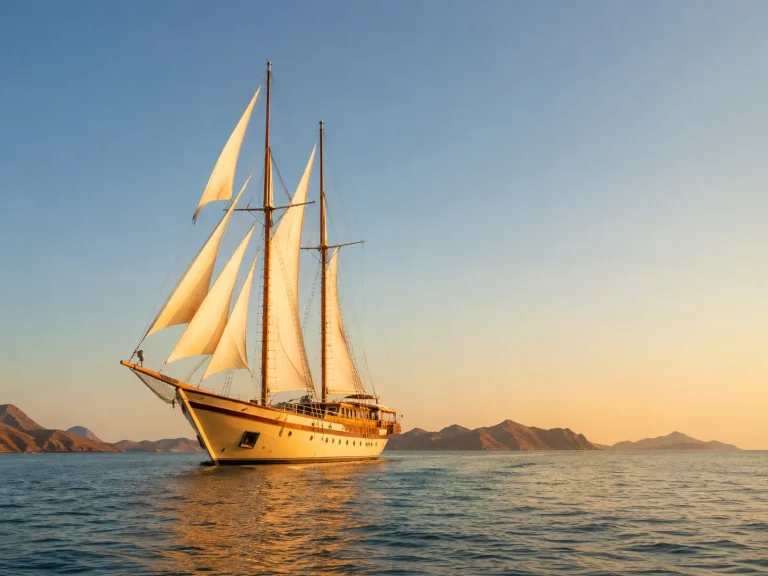
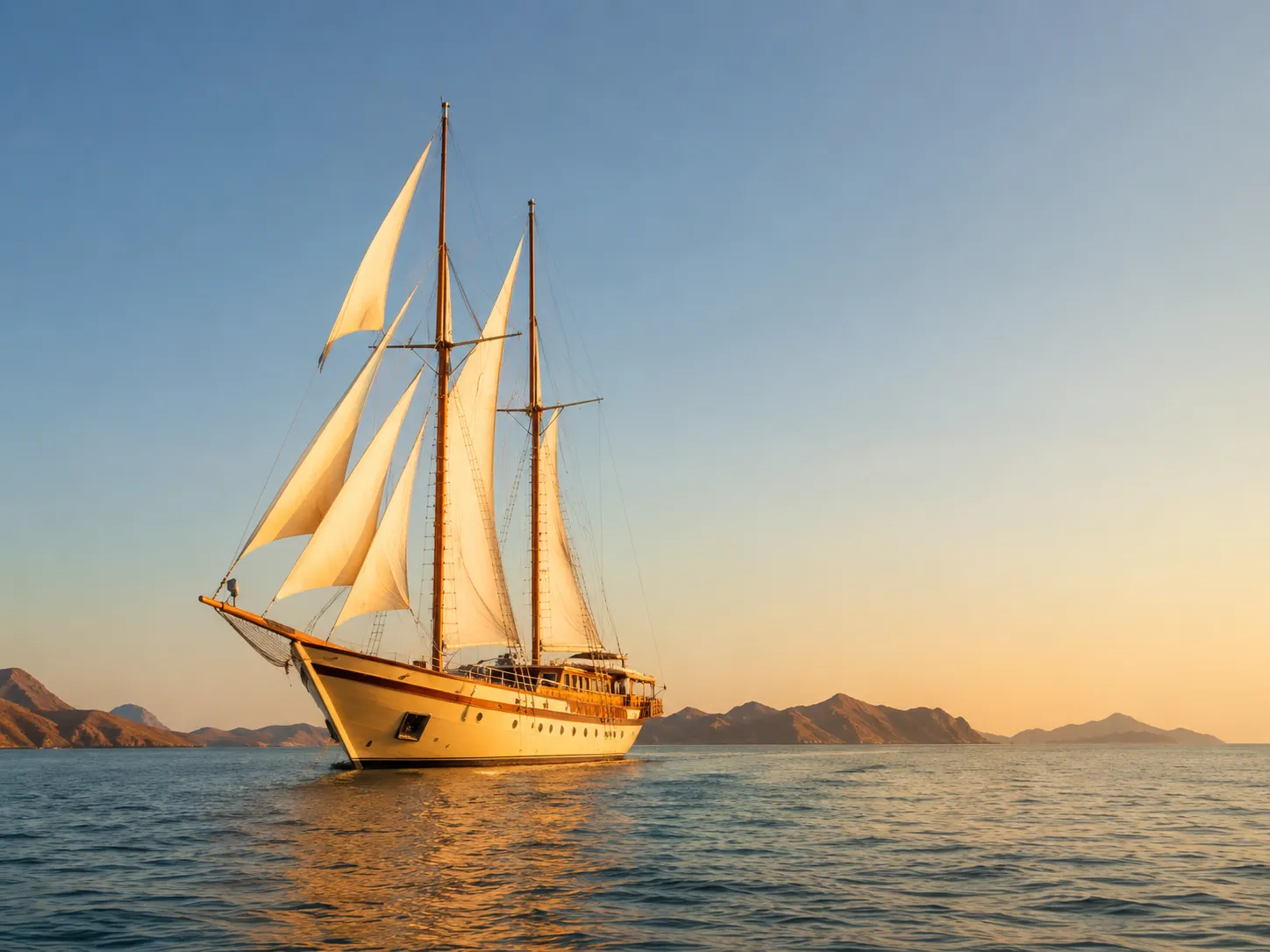
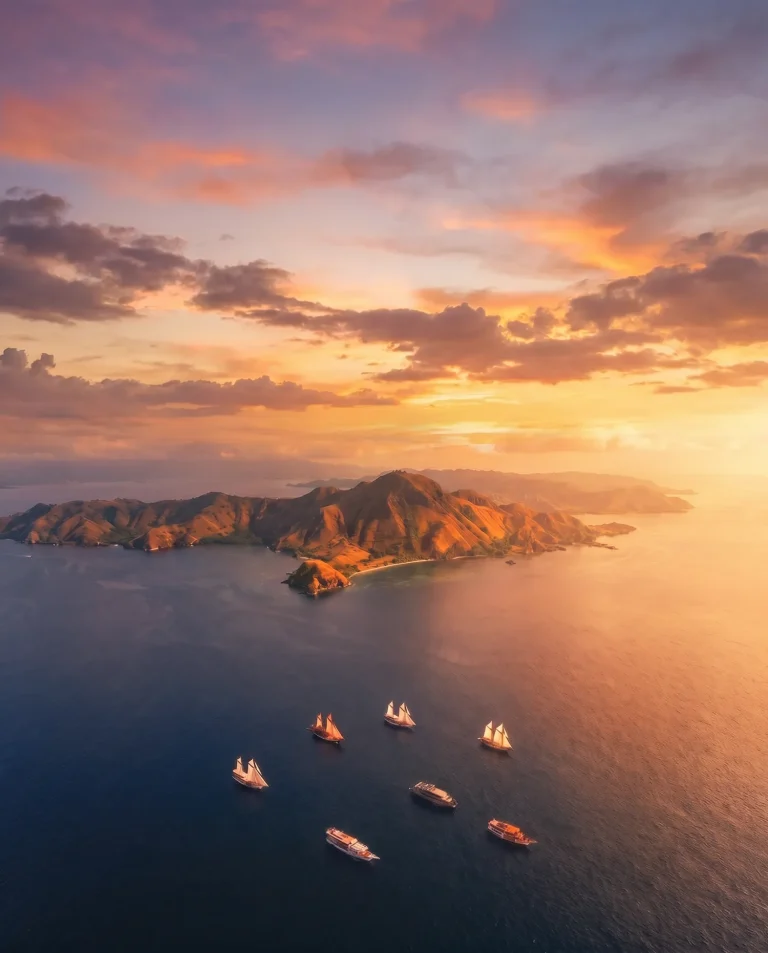
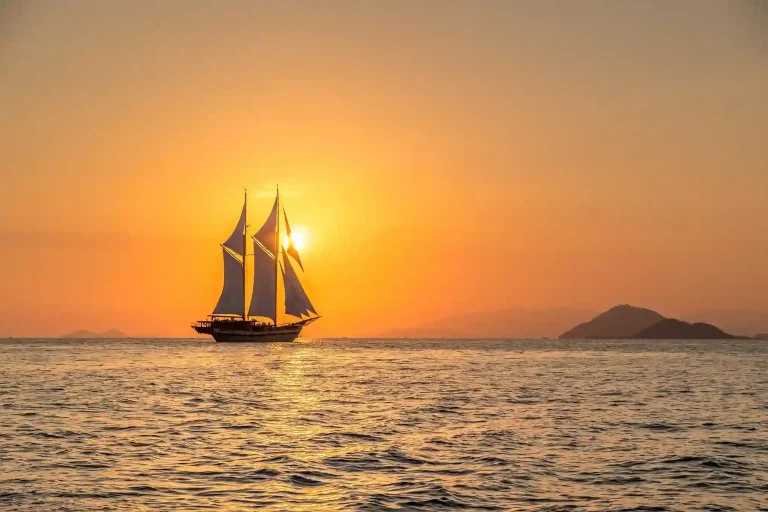
- Vessels range from traditional phinisi schooners to modern yachts, accommodating 4 to 20 guests.
The morning sun warms the deck as the vessel cuts through the sapphire expanse, carrying the scent of salt and anticipation towards an archipelago where ancient reptiles roam and vibrant reefs teem with life. Each day promises a new horizon, a deeper dive, and a closer encounter with a world few ever witness.
Planning Your Komodo Liveaboard Journey
A Komodo liveaboard trip is an immersive experience, distinct from hotel-based travel. These expeditions typically last 3 nights and 4 days, or up to 7 nights for comprehensive exploration, operating out of Labuan Bajo, Flores. Guests usually arrive at Labuan Bajo’s Komodo Airport (LBJ) and are transferred directly to their vessel. Packages generally cover accommodation, all meals, non-alcoholic beverages, guide services for activities, and specific Komodo National Park entrance fees, though park fees can vary and are sometimes an additional cost, usually around IDR 400,000-500,000 per person per day for international visitors, or approximately USD $25-35, subject to government changes. When packing for a Komodo liveaboard, prioritize light, quick-drying clothing, swimwear, sun protection (hat, sunglasses, reef-safe sunscreen with SPF 50+), a reusable water bottle, and a light jacket for evenings. Comfortable sandals or water shoes are essential for island excursions. The best time of year for a Komodo liveaboard is during the dry season, from April to October, when seas are calmest and visibility underwater is excellent, often exceeding 20 meters. Average guest numbers vary; smaller luxury yachts might host 4-8 individuals, while larger traditional phinisis accommodate 12-20. Solo travelers are common and find liveaboards a convivial environment for meeting like-minded explorers. Safety briefings occur upon boarding, outlining emergency procedures and vessel rules.
Onboard Comforts: From Cabins to Connectivity
Do Komodo liveaboards have private bathrooms? Yes, the majority of modern Komodo liveaboards, especially mid-range to luxury vessels, offer private en-suite bathrooms for each cabin, complete with a toilet, shower, and sink. Budget-friendly options or traditional smaller boats might feature shared bathroom facilities, so it is advisable to confirm specifics when booking. Phinisi vessels, a traditional Indonesian sailing ship style, are increasingly equipped with private facilities. Toilets and showers on Komodo boats are designed for efficiency, often using fresh water sourced from desalination plants or stored tanks. Water pressure can be lower than in hotels, and hot water availability may be on a timer or subject to demand. Guests are typically encouraged to conserve water, using biodegradable toiletries. Most Komodo liveaboards do have air conditioning in cabins, providing comfort in the tropical climate, though some common areas may be open-air. Regarding connectivity, do Komodo liveaboards have WiFi? While some liveaboards advertise WiFi, it is often satellite-based or relies on a local cellular signal booster. Expect intermittent and slow service, primarily suitable for basic messaging rather than streaming or heavy browsing. It is best to consider a Komodo liveaboard as a digital detox opportunity. Electricity is available on board, typically 220V with European two-pin sockets (Type C/F). Power outlets are usually in cabins and common areas, allowing device charging. It is wise to bring a travel adapter and a power bank. Is tap water safe on liveaboard? Tap water from showers and sinks is generally not safe for drinking. Most liveaboards provide purified drinking water, often from large dispensers, for guests to refill reusable bottles. Food service on a Komodo liveaboard typically includes a mix of Indonesian and Western dishes, freshly prepared by an onboard chef. Dietary restrictions can usually be accommodated with prior notice, including vegetarian, vegan, and gluten-free options.
Waters: Health, Safety, and Wildlife
How bad is seasickness on a Komodo liveaboard? Seasickness varies greatly by individual sensitivity and sea conditions, but the waters within Komodo National Park are generally calmer than open ocean. Most itineraries stick to protected channels and bays. However, passages between islands like Rinca and Komodo, or around Gili Lawa, can experience choppier conditions, particularly during strong currents or transitional seasons. It is highly recommended to bring over-the-counter motion sickness medication (e.g., dimenhydrinate, meclizine) or discuss prescription options with your doctor. Acupressure wristbands can also offer relief. Safety is paramount on Komodo liveaboards. Before departure, a comprehensive safety briefing covers emergency exits, life jacket locations, fire extinguishers, and communication protocols. Crew members are trained in first aid, and most vessels carry basic medical supplies. For serious emergencies, vessels are equipped with satellite phones or radios to contact authorities in Labuan Bajo, where the nearest hospital is located. Water temperature in Komodo National Park averages 26-30°C (79-86°F) year-round, making for comfortable swimming and diving. The park is renowned for its biodiversity. While exploring, guests can expect to see Komodo dragons (Varanus komodoensis) on Komodo and Rinca islands, which are the only places these apex predators exist in the wild. Underwater, the vibrant reefs host over 1,000 fish species, 260 coral species, and 70 types of sponges. Manta rays (Manta alfredi) are frequently spotted at sites like Manta Point, while green sea turtles (Chelonia mydas) and hawksbill turtles (Eretmochelys imbricata) are common. Yes, there are sharks in Komodo National Park, predominantly blacktip and whitetip reef sharks, which are generally shy and pose no threat to swimmers or divers. Encountering them is a privilege and a sign of a healthy marine ecosystem.
Crew Interaction, Tipping Etiquette, and Communication
How much should you tip the crew in Komodo? Tipping etiquette in Indonesia, especially on liveaboards, is appreciative but not strictly mandatory. However, a gratuity for excellent service is customary and highly valued by the crew. A general guideline for a 3-4 night trip is to budget approximately 10-15% of the trip cost per guest, or a pooled amount of USD $100-200 (IDR 1,500,000-3,000,000) for the entire crew, handed to the cruise director at the end of the trip. This amount is then distributed fairly among all crew members. For longer trips or exceptional service, guests may choose to give more. It is best to tip in Indonesian Rupiah (IDR) or US Dollars. What language do dive guides speak on Komodo liveaboards? Dive guides and cruise directors on Komodo liveaboards typically speak fluent English, as they cater to an international clientele. Many also speak other European languages such as German, French, or Spanish, depending on their background and the vessel’s primary market. Language spoken on Komodo boats by the general crew (captain, chef, deckhands) is primarily Bahasa Indonesia, the national language. However, basic English phrases for communication related to service and safety are usually understood. Tipping etiquette Komodo liveaboard crew extends to showing gratitude for their hard work, from preparing meals to maintaining the boat and ensuring guest safety. A typical Komodo liveaboard will have a crew-to-guest ratio of around 1:2 or 1:3, meaning 6-10 crew members for a vessel with 12-16 guests. This includes the captain, chef, engineers, deckhands, and dive/tour guides. The cruise director or trip leader is the primary point of contact for guests, managing the itinerary, coordinating activities, and ensuring a smooth experience. They are often certified dive instructors and are knowledgeable about the Komodo National Park‘s ecology and regulations.
Payments, Costs, and Essential Logistics
Payment methods on liveaboard: For on-board expenses not included in the package (e.g., alcoholic beverages, souvenirs, special requests), cash in Indonesian Rupiah (IDR) is the most widely accepted form of payment. Some larger, more luxurious liveaboards may accept credit card payments (Visa/Mastercard) for incidentals, but this is not guaranteed due to potential connectivity issues. It is always wise to carry a sufficient amount of IDR cash for these supplementary purchases. The cost of a Komodo liveaboard varies significantly based on vessel type, duration, and level of luxury. A budget-friendly Komodo liveaboard (e.g., 3 nights/4 days) might start from USD $500-800 per person (IDR 7.5 million – 12 million). Mid-range options typically range from USD $800-1,500 per person (IDR 12 million – 22.5 million), offering more comforts like private bathrooms and air conditioning. Luxury Komodo liveaboards, featuring spacious cabins, gourmet dining, and personalized service, can exceed USD $2,000-5,000+ per person (IDR 30 million – 75 million+) for a similar duration. These prices generally include accommodation, meals, activities, and non-alcoholic drinks. Extra costs to budget for typically include Komodo National Park fees (as mentioned, around IDR 400,000-500,000 per day), dive gear rental (if not included, typically USD $25-40/day for a full set), alcoholic beverages, massages (if offered), and crew tips. It is highly recommended to purchase comprehensive travel insurance that covers medical emergencies, trip cancellation, and diving-related incidents, especially if you plan to participate in diving activities. PADI certification is required for diving, and many liveaboards require at least an Open Water Diver certification. You can check PADI’s website for details. While some liveaboards might have card readers, relying on credit cards for onboard payments can be unreliable due to remote locations and inconsistent internet access. Always have enough cash as a backup.
Ready to explore the Komodo National Park with exceptional access and comfort? Let Bali Komodo Liveaboard guide your journey through this extraordinary destination. Our team is available to assist with planning your ideal Komodo liveaboard experience. Contact the team today to arrange your adventure.
Keep Reading
Uncategorized
Komodo Liveaboard from Bali: Share vs Private Guide 2026
Most travellers starting in Bali reach Komodo National Park by flying roughly one hour to Labuan Bajo and boarding a…
Uncategorized
Bali + Komodo Liveaboard Combos for 2027: The 3-Nights-Bali, 3-Nights-at-Sea Blueprint
The most dependable Bali Komodo liveaboard combo for 2027 is a six-night split: three nights on land in Bali, a…
Uncategorized
Booking a Komodo Liveaboard from Bali? Verify the Labuan Bajo Operator First
Yes — you can arrange a Komodo liveaboard from Bali, and travellers do it every day through agencies, hotel desks,…