What is the Best Month for a Komodo Liveaboard Tour?
- Optimal Conditions: You’ll experience dry, sunny days, calm seas, and lush, green landscapes following the rainy season.
- Fewer Crowds: These months avoid the peak tourist influx of July and August, allowing for a more exclusive experience at dive sites and islands.
- Abundant Marine Life: Water visibility is superb, and it’s a peak time for encountering manta rays at their cleaning stations.
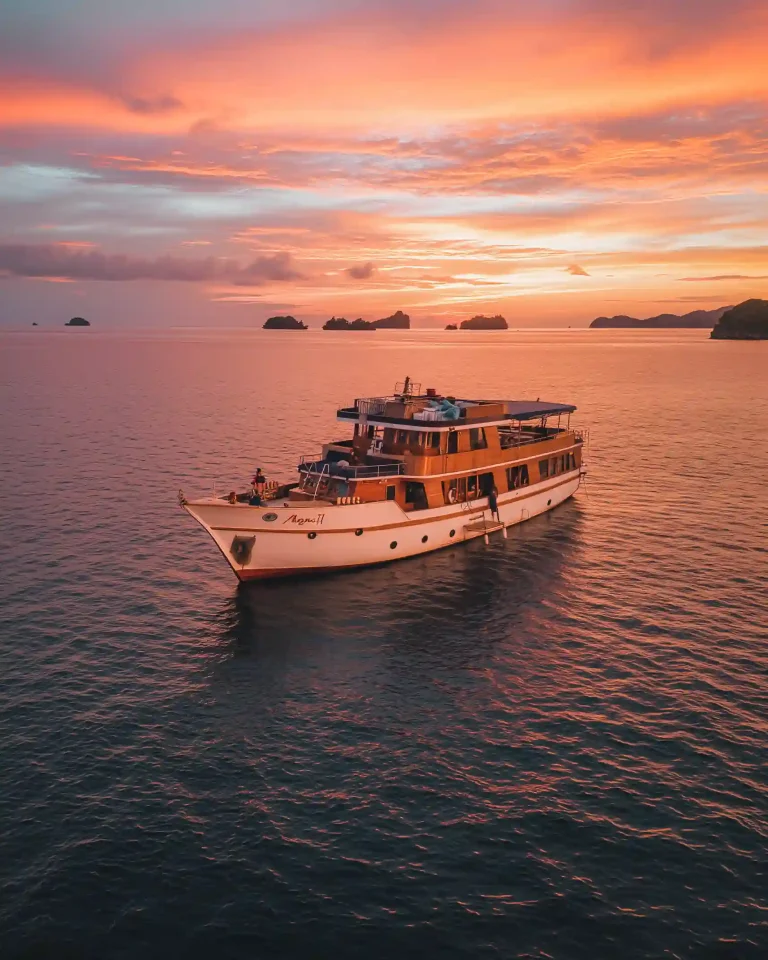
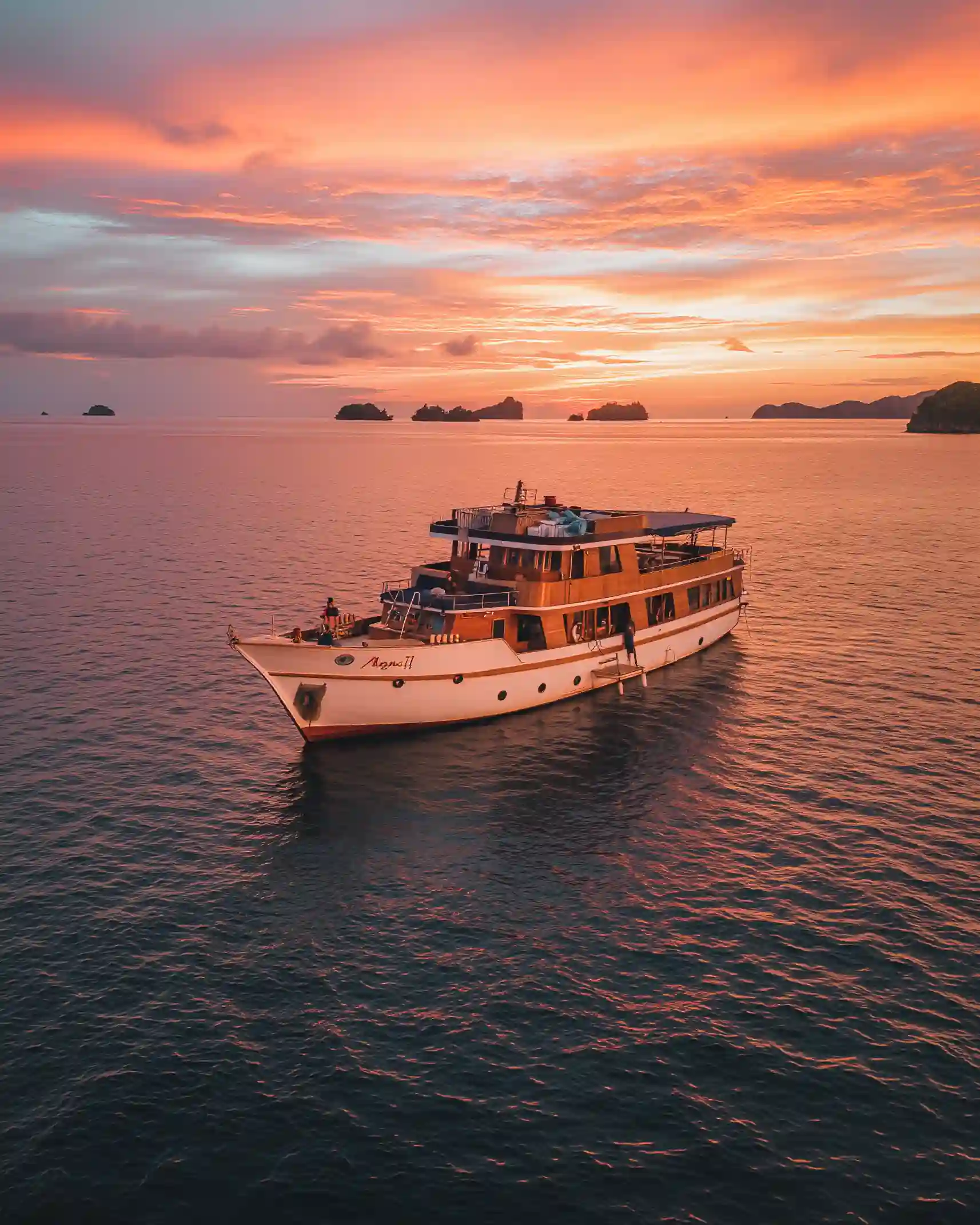
The low, guttural growl of the engine is a steady rhythm beneath your feet, a constant companion as the phinisi schooner glides over water the color of liquid sapphire. The warm teak deck is smooth under your bare soles. A breeze, carrying the scent of salt, sun-baked earth, and a distant hint of clove, drifts across the bow. You are suspended in time, somewhere between the volcanic peaks of the Lesser Sunda Islands. This is the essence of a Komodo expedition, a journey that transcends simple travel. But for an experience of this caliber, timing is not just a detail—it is the foundational element upon which the entire voyage is built. The question I receive more than any other from discerning travelers is not if they should go, but precisely when. Answering it requires moving beyond simple weather charts and into the nuanced interplay of climate, wildlife behavior, and the very character of the sea itself.
Decoding Komodo’s Two Distinct Seasons
Before we can pinpoint the perfect month, it’s essential to understand the fundamental climatic rhythm of the Komodo archipelago. Unlike the four-season calendar many of us are accustomed to, this region, part of the Lesser Sunda Islands, operates on a simpler, more dramatic binary: the Dry Season and the Wet Season. The Dry Season typically runs from April through November, characterized by minimal rainfall, abundant sunshine, and calmer seas. Conversely, the Wet Season arrives in December and holds sway until March, bringing heavier rainfall, increased humidity, and potentially turbulent waters. Air temperatures, however, remain remarkably consistent, hovering between 27-30°C (80-86°F) year-round. Water temperatures are similarly inviting, generally staying within a comfortable 26-29°C (78-84°F) range. The UNESCO World Heritage Centre designates Komodo National Park not just for its famous dragons, but for its staggering marine biodiversity, which covers 1,733 square kilometers. This marine environment is profoundly influenced by the seasonal shift. The Wet Season’s nutrient runoff can reduce visibility but also sparks plankton blooms that attract larger filter feeders, while the Dry Season’s clear, calm waters create the placid, aquarium-like conditions many divers seek. The calculus for the discerning traveler involves weighing these environmental factors against crowd levels and pricing, which fluctuate in direct response to the seasons.
The Prime Window: April to June, The “Sweet Spot”
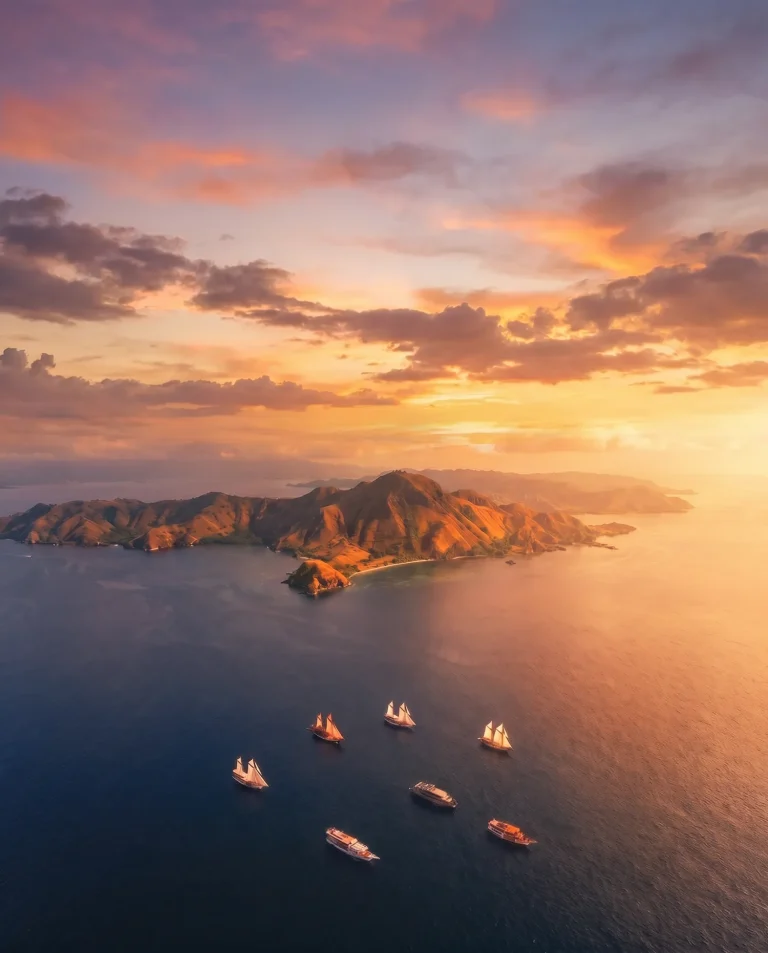
If I were to select a single period that offers the most superlative balance of factors, it would be the months of April, May, and June. This is the immediate aftermath of the rainy season, a time of profound renewal and vibrancy. The islands, which can appear parched and austere by the end of the long dry spell, are cloaked in an intense, almost impossibly lush green. The air is clear, the humidity of the wet season has subsided, and the sun shines brightly without the oppressive heat of later months. For photographers, the contrast between the emerald hills, the white and pink sand beaches, and the turquoise water is simply exceptional. From a marine perspective, this window is exceptional. The seas have calmed, but the water is still rich with nutrients, attracting a high concentration of marine life. This is arguably the best time for manta ray encounters. These majestic creatures, with wingspans that can reach up to 7 meters, congregate at cleaning stations like Manta Point and Karang Makassar. The water visibility, while perhaps not at its absolute peak, is excellent and improving week by week. Critically, this period precedes the main European summer holiday rush. You’ll find fewer boats at iconic sites like Padar Island and the top-tier dive spots, lending an air of exclusivity to the journey. Pricing for charters and cabins also tends to be more favorable than in the July-August peak, a detail further explored in our Bali Komodo Liveaboard Pricing & Cost Guide.
Peak Season Prowess: July and August
For travelers whose primary concern is guaranteed perfect weather, July and August represent the zenith of the Komodo calendar. These are the driest months of the year, with virtually zero chance of rain and the calmest seas you will experience. This makes for exceptionally smooth sailing, a significant consideration for those sensitive to motion. The underwater world benefits as well, with water visibility frequently exceeding an astonishing 30 meters. This is the high season for a reason, and the park is at its most popular. Labuan Bajo, the gateway port, is bustling, and you will share the iconic viewpoints and dive sites with other vessels. However, this period holds a unique allure for wildlife enthusiasts. The Komodo dragon mating season typically occurs from July to August. As a contact at the park authority once explained to me, this leads to increased activity and territorial disputes among males, making for more dramatic and reliable sightings on Rinca and Komodo islands. The dragons, known scientifically as Varanus komodoensis and capable of growing to 3 meters in length, are at their most dynamic. Booking a premier Book Bali Komodo Liveaboard experience during this time requires significant foresight; I consistently advise clients to secure their arrangements 9 to 12 months in advance to ensure passage on the most sought-after vessels.
The Second Shoulder: September to November
As the peak season crowds begin to dissipate, another magnificent window opens from September through November. This second shoulder season mirrors many of the benefits of the April-to-June period, offering a superb travel experience. The weather remains overwhelmingly dry and stable, and the seas are generally placid, with warm water temperatures ideal for diving and snorkeling. Manta ray sightings remain excellent, and the full diversity of the park’s 1,000-plus species of fish and 260 species of coral are on full display. The primary aesthetic difference is the landscape. After months of dry heat, the islands trade their vibrant green for a dramatic palette of gold, ochre, and sun-bleached savanna. This creates a stark, powerful backdrop that many find just as compelling as the verdant scenery of early spring. It’s a landscape that feels ancient and wild, perfectly suiting the prehistoric nature of the Komodo dragons. This is an ideal time for travelers who wish to undertake a more comprehensive journey, perhaps a 7-day or 10-day itinerary, exploring both the northern and southern regions of the park without the logistical pressures of peak season. For a deeper look into what these longer itineraries entail, The Definitive Bali Komodo Liveaboard Guide provides a comprehensive overview of the possible routes and anchorages. This period truly delivers a premium experience with fewer logistical hurdles.
The Wet Season Gamble: December to March
Navigating Komodo during the wet season, from December to March, is a proposition for a specific type of traveler—one who prioritizes solitude and lush scenery over predictable conditions. It is crucial to dispel the myth of constant, week-long monsoons. The rain here, which can total over 1,200 millimeters annually, typically manifests as intense, short-lived downpours, often in the late afternoon, followed by a return to sunshine. The primary challenge is not the rain itself, but the sea state. The winds shift, and the waters, particularly in January and February, can become significantly rougher. This can impact comfort and may lead to itinerary changes, as access to southern sites around Padar and Rinca becomes more difficult. Many liveaboard operators, in fact, will move their fleets to other regions like Raja Ampat during the height of the wet season. However, for those on a capable vessel, the rewards can be substantial. The islands are reborn, saturated in the deepest greens imaginable. Waterfalls, dry for most of the year, cascade down cliff faces. You will have world-famous dive sites and anchorages almost entirely to yourself. According to Indonesia’s official tourism portal, travel is still promoted year-round, but it requires flexibility and the right vessel. It’s a period that trades the guarantee of placid seas for a chance at a wilder, more intimate encounter with the park’s raw nature.
Quick FAQ: Your Komodo Timing Questions Answered
When is the best time for manta ray sightings?
While mantas can be spotted year-round, the absolute peak seasons are from April to June and again from September to November. During these months, the slightly cooler, plankton-rich upwellings create a veritable feast, drawing large numbers of both reef and oceanic mantas to their favorite cleaning and feeding stations.
When is Komodo dragon mating season?
The mating season for Komodo dragons runs from July through August. This is a prime time for viewing as males become more active, often covering large distances and engaging in dramatic territorial fights for dominance and mating rights. This activity makes them more visible to visitors on guided treks.
Is it safe to travel during the rainy season?
Safety is paramount. Reputable operators, including Bali Komodo Liveaboard, utilize large, stable phinisi yachts designed for all conditions and employ experienced captains who constantly monitor weather patterns. Itineraries are flexible and will be altered to avoid rough seas. However, the months of January and February can present significant challenges, and travelers should be prepared for potential cancellations or significant route changes.
How far in advance should I book for peak season?
For the peak months of July and August, booking 9 to 12 months in advance is highly recommended. The world’s finest liveaboard vessels have a limited number of cabins and are often chartered in their entirety well over a year out. For the shoulder seasons, a 6 to 9-month lead time is advisable to secure your preferred dates and vessel.
Ultimately, the “best month for a Komodo liveaboard tour” is a personal calculation, a balance of priorities between weather, wildlife, and solitude. The shoulder seasons of April-June and September-November consistently provide the most exceptional and well-rounded experience. They deliver the quintessential Komodo journey: sun-drenched days on calm seas, vibrant landscapes, and top-tier wildlife encounters without the peak-season crowds. When you are ready to translate this timeline into a tangible itinerary, exploring the fleet and crafting your own private charter is the next step. A top-tier bali komodo live aboard is not just a vacation; it is an expedition into one of the last truly wild places on Earth, and timing it correctly ensures the experience is nothing short of extraordinary.
Keep Reading
Uncategorized
Komodo Liveaboard from Bali: Share vs Private Guide 2026
Most travellers starting in Bali reach Komodo National Park by flying roughly one hour to Labuan Bajo and boarding a…
Uncategorized
Bali + Komodo Liveaboard Combos for 2027: The 3-Nights-Bali, 3-Nights-at-Sea Blueprint
The most dependable Bali Komodo liveaboard combo for 2027 is a six-night split: three nights on land in Bali, a…
Uncategorized
Booking a Komodo Liveaboard from Bali? Verify the Labuan Bajo Operator First
Yes — you can arrange a Komodo liveaboard from Bali, and travellers do it every day through agencies, hotel desks,…